
Apple CEO Tim Cook has delivered a stark warning to consumers and the tech industry alike: the era of stable pricing for your favorite Apple devices may be coming to an end. Citing “unsustainable” expenses for Random Access Memory (RAM), Cook indicated that price hikes are an “unavoidable” reality for products like the iPhone, iPad, and Mac.
The Rising Tide of RAM Costs
In an exclusive interview with The Wall Street Journal, Tim Cook laid bare the challenges Apple faces amidst a global memory shortage. “We’re doing our best to mitigate the huge increases that are being passed to us, and we’ve been trying to shield our customers from the increases, but the situation has become unsustainable,” Cook stated. This candid admission signals a significant shift in Apple’s pricing strategy, which has historically absorbed component cost fluctuations to maintain competitive pricing.
What’s Driving the Shortage?
The current memory crisis, dubbed “RAMageddon” by some industry observers, is largely fueled by the insatiable demand from artificial intelligence (AI) companies. As these firms build out sprawling data centers requiring vast amounts of high-performance memory, suppliers are struggling to keep pace. This imbalance between surging demand and constrained supply has inevitably led to skyrocketing RAM and storage costs, impacting not just Apple but the entire consumer electronics landscape, from game consoles to laptops.
Apple’s Preemptive Moves and Future Outlook
While Cook refrained from specifying which products or when the price adjustments would occur, Apple has already begun making subtle changes. In March, the company quietly discontinued the Mac Studio with 512GB of RAM. More notably, the starting price of the Mac Mini was raised to $799 after the more affordable $599 option was removed from its lineup. Industry analyst Tim Culpan further speculates that Apple might discontinue the base configuration of the MacBook Neo, retaining only the $699 model with 512GB of storage.
The iPhone’s Looming Price Tag
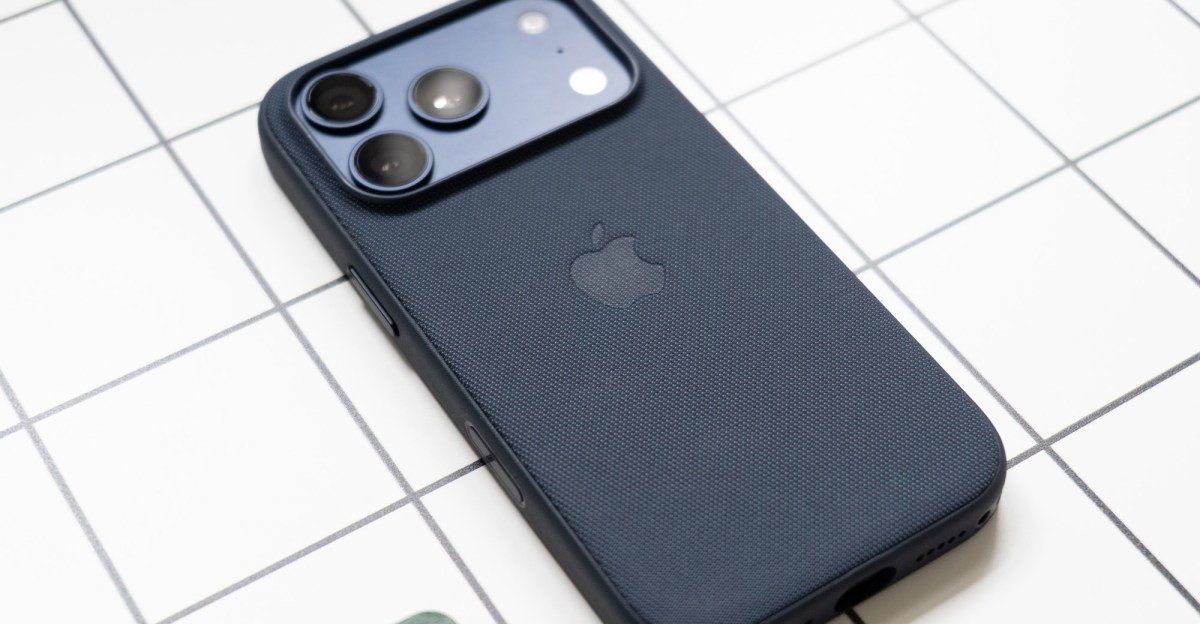
Perhaps the most anticipated impact will be felt by iPhone enthusiasts. With Apple gearing up to unveil its latest iPhone lineup later this year, the memory shortage’s influence on pricing remains a critical question. The Wall Street Journal estimates that the upcoming iPhone 18 Pro could see its price jump to $1,299, a substantial increase from the iPhone 17 Pro’s $1,099 starting point. This potential hike could mark one of the most significant year-over-year price increases for Apple’s flagship smartphone in recent memory.
Broader Industry Implications
Apple’s predicament is not an isolated incident. The ripple effects of the RAM shortage are being felt across the tech world. “There’s less supply at a time when consumers want devices and the memory guys are passing along huge price increases,” Cook explained. He emphasized the critical need for “memory pricing and supply to return to reasonable levels for consumer products.” This sentiment echoes concerns from other manufacturers, highlighting a systemic challenge that could redefine consumer expectations for device pricing in the coming years.
As the tech giant navigates these turbulent economic waters, consumers should brace for a potential recalibration of what they expect to pay for premium devices. The days of absorbing escalating component costs appear to be drawing to a close, ushering in a new era where the true cost of cutting-edge technology is more directly passed on to the end-user.
For more details, visit our website.
Source: Link