
Fortune’s latest Southeast Asia 500 ranking paints a compelling picture of a region in dynamic flux. While the traditional titans of commodities and energy, long-time anchors of the list since its 2024 inception, show signs of deceleration, their measured pace belies a vibrant surge across the broader corporate landscape. A new guard is emerging, from ambitious Vietnamese conglomerates to robust Singaporean banks and resurgent digital platforms, collectively seizing a larger slice of the region’s revenue and profit pie.
This year’s cohort collectively generated an impressive $1.88 trillion in revenue, marking a healthy 3.4% increase from the previous year’s $1.82 trillion. This accelerated growth rate defies earlier concerns about potential adverse impacts from U.S. President Donald Trump’s tariffs on ASEAN economies. Total profits soared to $150 billion, yielding a robust 8% net margin for the region—a testament to both favorable economic tailwinds and strategic corporate restructuring, exemplified by the remarkable turnaround of entities like Thai Airways.
Vietnam: The New Growth Engine of Southeast Asia
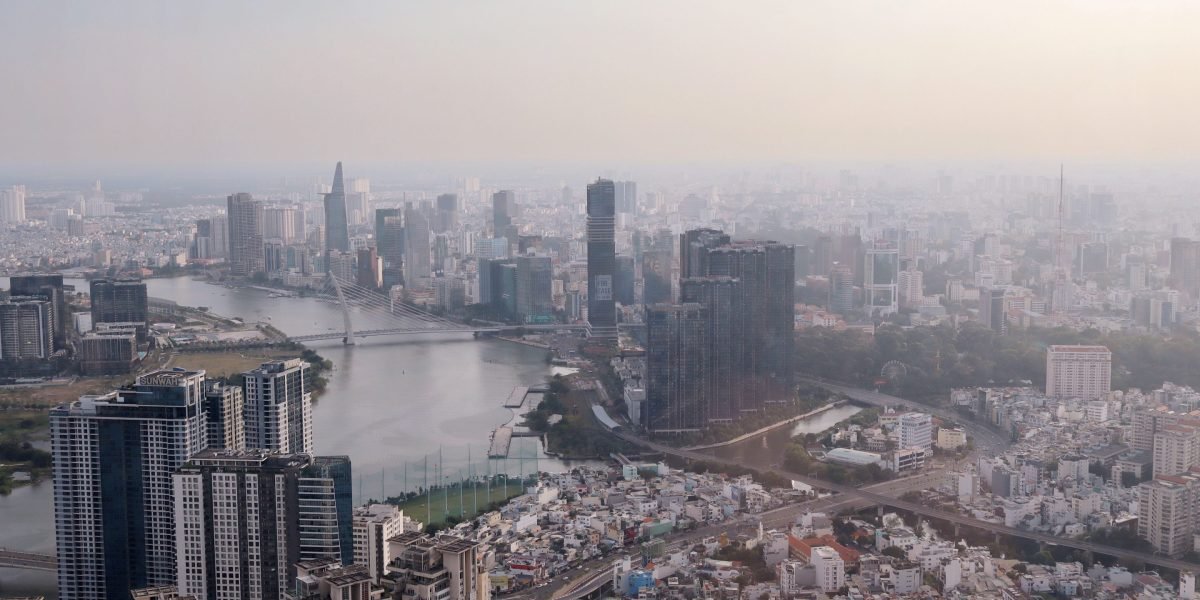
While Thailand and Indonesia boast the highest number of companies on the list (105 and 104 respectively), and Singapore leads in overall revenue with its SEA 500 firms contributing a staggering $657.5 billion (nearly 35% of the total), it is Vietnam that truly captures the imagination with its explosive growth. Vietnamese companies on the list collectively generated $177.9 billion in revenue, an astounding 10.5% increase. This figure is triple the regional average and represents the fastest growth rate of any country in the ranking, with the sole exception of tiny Cambodia.
Remarkably, Vietnam accounts for approximately a quarter of this year’s total revenue growth within the SEA 500, despite comprising less than 10% of its overall revenue base. A standout performer is Vingroup, ranked No. 26, which saw its revenue skyrocket by 69% to $12.8 billion, making it the only firm in the top 50 to achieve such rapid expansion. Vingroup’s pivotal role as a national champion was further solidified in 2025 when Vietnam’s Politburo officially recognized the private sector as the “most important driving force” for the nation’s economy.
Singapore’s Unrivalled Profit Prowess
If Vietnam’s narrative is one of burgeoning revenue, Singapore’s story is unequivocally centered on profit. The city-state’s “Big Three” banks—DBS Group, OCBC, and UOB—continue to dominate the region’s profitability rankings. DBS, in particular, maintained its No. 1 position with a formidable $8.4 billion in profit. Beyond banking, five Singaporean firms demonstrated significant leaps in profitability. Digital powerhouse Sea, ranked No. 12, nearly quadrupled its profit to $1.58 billion, driven by record performances across its three core operating engines: Shopee, Monee, and Garena.
Remarkable Turnarounds and Rising Stars
Thailand delivered two of the year’s most impressive corporate comeback stories. Thai Airways International, No. 67, successfully emerged from bankruptcy protection in 2025 and re-listed on the Stock Exchange of Thailand in the same year, transforming a $764 million loss into a $941 million profit. Similarly, True Corp., No. 62, returned to profitability after meticulously clearing substantial merger-related write-downs from 2024.
Indonesia also celebrated a significant achievement, with gold jewelry maker Hartadinata Abadi earning the award for the biggest jump on the list, climbing 115 positions to No. 129. This impressive ascent was primarily fueled by higher gold prices rather than an increase in sales volume.
Looking Ahead: New Challenges on the Horizon
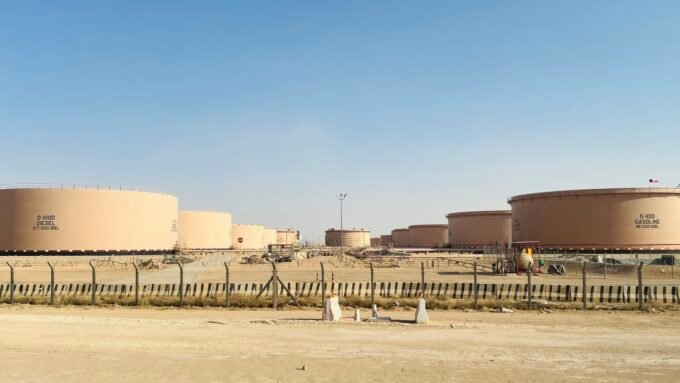
As with all Fortune 500 lists, the Southeast Asia 500 provides a retrospective view, ranking companies based on their 2025 revenue. While the region adeptly navigated the challenges posed by Trump’s tariffs, a new and potentially more formidable threat looms. The escalating conflict in Iran is driving up energy prices across the region, presenting a fresh economic hurdle. The true resilience of Southeast Asia will be tested in the coming year, as we await next year’s list to see if it can weather an energy crisis with the same fortitude it displayed against tariff pressures.
For more details, visit our website.
Source: Link