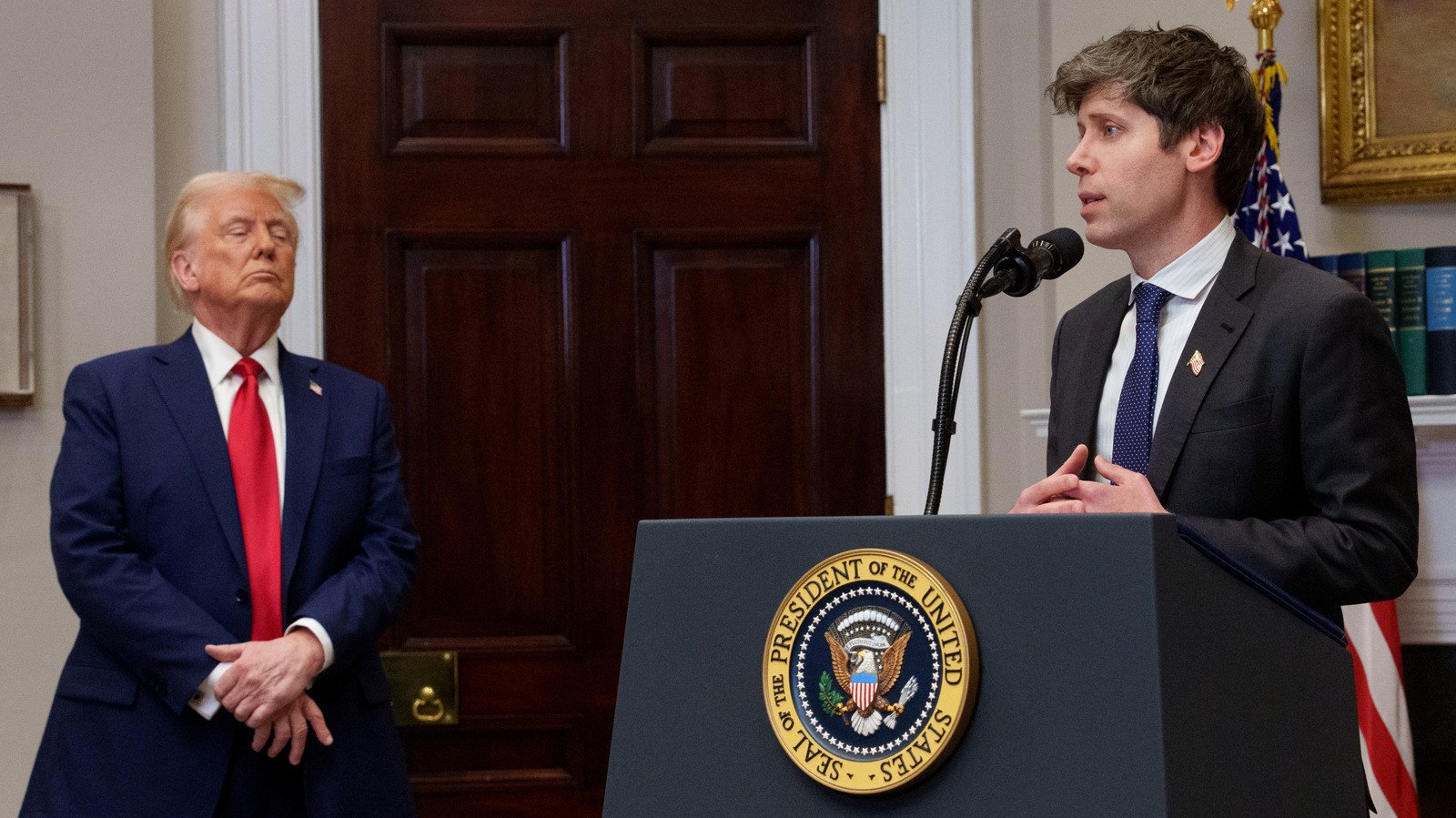

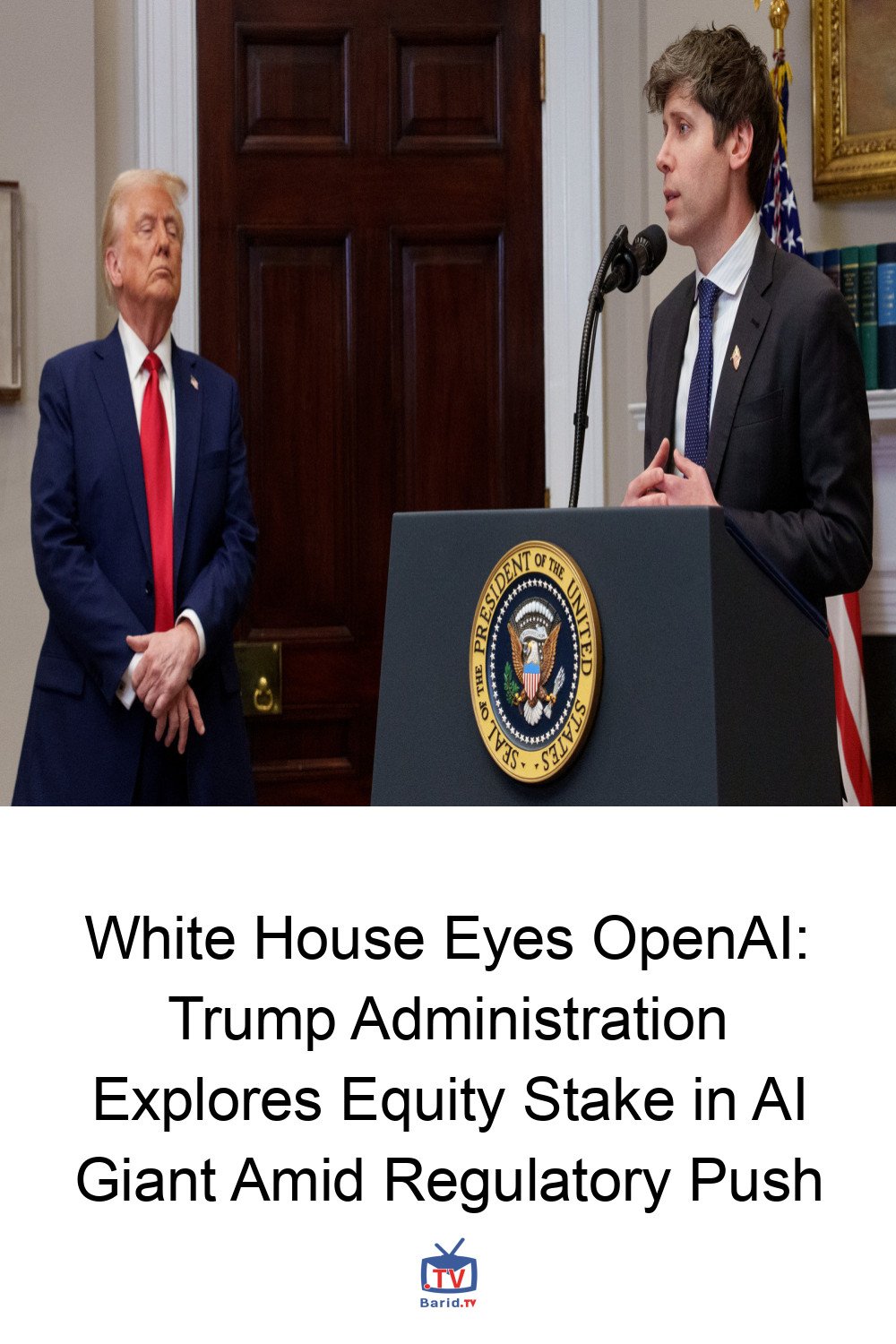
In a move that could redefine the relationship between government and cutting-edge technology, the Trump administration is reportedly engaged in discussions about acquiring an equity stake in OpenAI, the pioneering force behind advanced artificial intelligence. While details remain fluid, these talks signal a potentially unprecedented level of government involvement in the burgeoning AI sector.
A Government Stake in the Future of AI?
The revelation, initially brought to light by NOTUS and subsequently corroborated by CNBC, indicates that “senior US officials” have been in dialogue with various AI firms regarding potential government investments. Sources close to the matter confirm that conversations between the Trump administration and OpenAI CEO Sam Altman trace back to 2025, when Altman himself first floated the concept of such a partnership.
These ongoing discussions have reportedly progressed towards a framework where OpenAI might voluntarily offer a portion of its equity to the US government. This strategic alignment could serve as a mechanism to realize OpenAI’s ambitious “Public Wealth Fund” — an initiative outlined in their April industrial policy proposal. The fund’s core objective is to “provide every citizen with a stake in AI-driven economic growth,” democratizing the benefits of technological advancement.
However, the precise terms of this potential deal, including the size of the government’s equity stake, are yet to be finalized. The intricate nature of such an agreement necessitates careful negotiation, leaving many specifics still under wraps.
Precedent and Policy: The Intel Model and AI Oversight
While a government stake in a leading AI company might seem novel, there is a precedent in recent US history. The government previously secured a 10 percent stake in semiconductor giant Intel through a substantial nearly $9 billion investment. This historical context suggests a potential model for the current discussions with OpenAI, albeit in a vastly different technological landscape.
The talks also unfold against a backdrop of intensifying regulatory focus on artificial intelligence. OpenAI CEO Sam Altman has been actively engaging with Washington policymakers, advocating for thoughtful AI governance. Earlier this week, the Trump administration underscored its commitment to oversight by signing an executive order mandating government review of AI models before their public release. Despite potential industry pressures, OpenAI has publicly affirmed its commitment to comply with this order, pledging to submit its latest models for regulatory scrutiny prior to public access.
Implications and Unanswered Questions
The prospect of the US government holding an equity stake in a company as influential as OpenAI raises a multitude of questions and potential implications. For OpenAI, a government partnership could offer stability, strategic backing, and perhaps even a degree of public trust, aligning with its mission to ensure AI benefits all of humanity. For the government, it represents a direct investment in a critical future technology, potentially influencing its direction and ensuring national interests are protected.
Yet, concerns may arise regarding the balance between innovation and government control, the impact on market competition, and the transparency of such a partnership. As these high-stakes discussions continue, the world watches to see how this potential alliance between the White House and a leading AI developer will shape the future of artificial intelligence and its integration into society.
For more details, visit our website.
Source: Link