

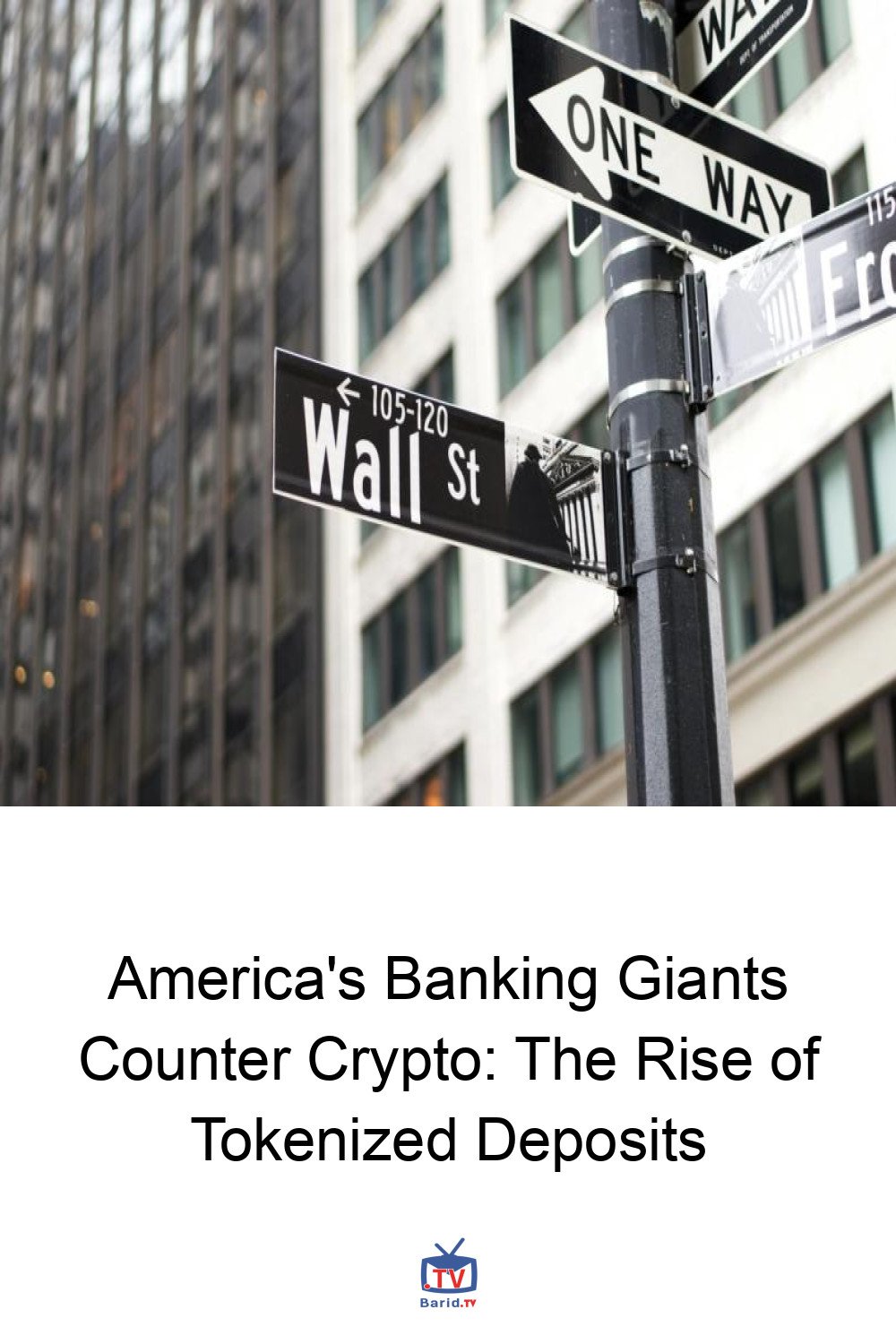
In a significant strategic maneuver, America’s largest financial institutions are preparing to launch a groundbreaking digital currency network, directly challenging the burgeoning influence of stablecoins and aiming to safeguard trillions in customer deposits. This initiative marks a pivotal moment in the ongoing convergence of traditional finance and blockchain technology, setting the stage for a new era of digital cash.
The Banking Sector’s Bold Counter-Move
Led by titans such as JPMorgan Chase, Bank of America, and Citigroup, a consortium of major lenders is slated to unveil a shared tokenized deposit network through The Clearing House by the first half of 2027. This ambitious project promises round-the-clock, blockchain-based settlement of bank deposits, offering a regulated alternative to the speed and efficiency currently championed by stablecoins.
Why Now? The Stablecoin Threat
The urgency behind this banking collaboration stems from a growing apprehension regarding the rise of stablecoins like USDC and USDT. These dollar-pegged digital tokens have rapidly gained traction for crypto trading, cross-border payments, and even savings products. Banks fear that if stablecoins continue their mainstream ascent, a substantial portion of core deposits could migrate from traditional accounts into crypto wallets, potentially eroding bank earnings by an estimated 3-5% over the next five years, according to a Jeffries report.
As Reid Noch, vice president of U.S. equity market structure at TD Securities, observes, “Following the GENIUS Act, a competition seems to be emerging between stablecoins, tokenized deposits and tokenized money market funds to become the preferred onchain cash instrument.” The banks’ move is a direct response to this emerging competition for the dominant form of cash on blockchain networks.
Understanding Tokenized Deposits
Tokenized deposits represent a bank customer’s traditional deposit as a digital token, enabling it to move across blockchain infrastructure. Crucially, unlike stablecoins which exist outside the traditional banking system, these tokenized funds remain firmly within the regulated banking framework. This distinction is vital for banks, allowing them to embrace blockchain innovation without relinquishing control over customer assets.
Efficiency and Cost Savings
The primary appeal of tokenized deposits lies in their potential to revolutionize global payments. “Anyone who has ever wired money, especially internationally, knows the process can be expensive and often takes one or two business days to complete,” notes Noch. By leveraging blockchain, tokenized deposits could facilitate near-instant, 24/7 transfers, drastically reducing costs and settlement frictions that plague conventional systems.
Traditional Finance Embraces Blockchain, On Its Own Terms
This initiative underscores a broader, undeniable trend: blockchain technology is moving deeper into the financial mainstream. “The biggest banks in America are voluntarily coming onchain,” states Digital Chamber CEO Cody Carbone, highlighting the industry’s acknowledgment of blockchain as the future of finance.
A Controlled Ecosystem vs. Open Networks
However, the banking sector’s approach diverges significantly from the decentralized ethos of the wider crypto world. As Noelle Acheson, author of “Crypto is Macro Now,” points out, banks have historically favored private blockchain systems that offer strict control over users and transactions. The planned Clearing House network, while expanding this model across multiple institutions, will likely maintain a similar level of oversight, remaining distinct from the public blockchain ecosystems where stablecoins operate freely.
Acheson suggests that despite some public dismissals from executives like JPM CEO Jamie Dimon, banks are indeed taking the stablecoin threat seriously. While stablecoins offer unparalleled liquidity and flexibility, many corporate clients may ultimately prefer a bank-backed, compliant system that integrates seamlessly with existing regulatory frameworks.
The Future of Digital Cash
If successful, The Clearing House’s tokenized deposit network could emerge as a formidable contender in the race for corporate payments and treasury operations, directly competing with existing stablecoin solutions. This development not only signifies the banking industry’s proactive stance against potential disruption but also solidifies the irreversible trend of traditional finance adopting blockchain technology, albeit often through proprietary and regulated channels. The battle for the future of digital cash has truly begun, and America’s banking giants are not just observers, but active participants shaping its evolution.
For more details, visit our website.
Source: Link