
A Fiery Setback, A Soaring Opportunity for SpaceX
In a dramatic turn of events that has reshaped the landscape of lunar exploration, Jeff Bezos’ Blue Origin suffered a significant setback with the explosion of its New Glenn rocket. This fiery mishap, occurring just weeks before SpaceX’s anticipated record-setting IPO, has inadvertently cemented Elon Musk’s company as the undisputed frontrunner in NASA’s ambitious plans to return humanity to the moon.
The incident not only underscores the inherent risks of space travel but also highlights NASA’s increasing reliance on commercial partners, particularly SpaceX, to achieve its ambitious Artemis program goals.
Blue Origin’s Lunar Ambitions Grounded
On Thursday, May 28, 2026, a New Glenn rocket, a cornerstone of Blue Origin’s future endeavors, exploded during a critical engine-firing test at its Cape Canaveral launch pad. This devastating event occurred just days before the rocket was slated for a satellite launch and, more critically, was intended to carry Blue Origin’s Blue Moon lander to the lunar surface for NASA missions.
The explosion has grounded the New Glenn, pending a thorough investigation into its cause. This immediate halt comes at a particularly sensitive time, as NASA had recently awarded Blue Origin launch contracts, including one for a Blue Moon lander mission scheduled for this fall to deploy payloads on the lunar surface.
Wendy Whitman Cobb, a professor at the U.S. Air Force School of Advanced Air and Space Studies, succinctly captured the gravity of the situation: “Blue Origin’s inability to launch Blue Moon anytime soon is likely to put the company out of the running for Artemis III. This setback means that Artemis III, and NASA’s entire lunar exploration program, is likely to be dependent on SpaceX for the time being.”
NASA’s Artemis Program: A Pivotal Juncture
NASA’s journey back to the moon is a multi-faceted endeavor. While the agency successfully sent astronauts around the moon last month aboard a Lockheed Martin Orion capsule, launched by Boeing’s colossal Space Launch System (SLS) rocket, the crucial step of landing on the lunar surface requires a dedicated spacecraft.
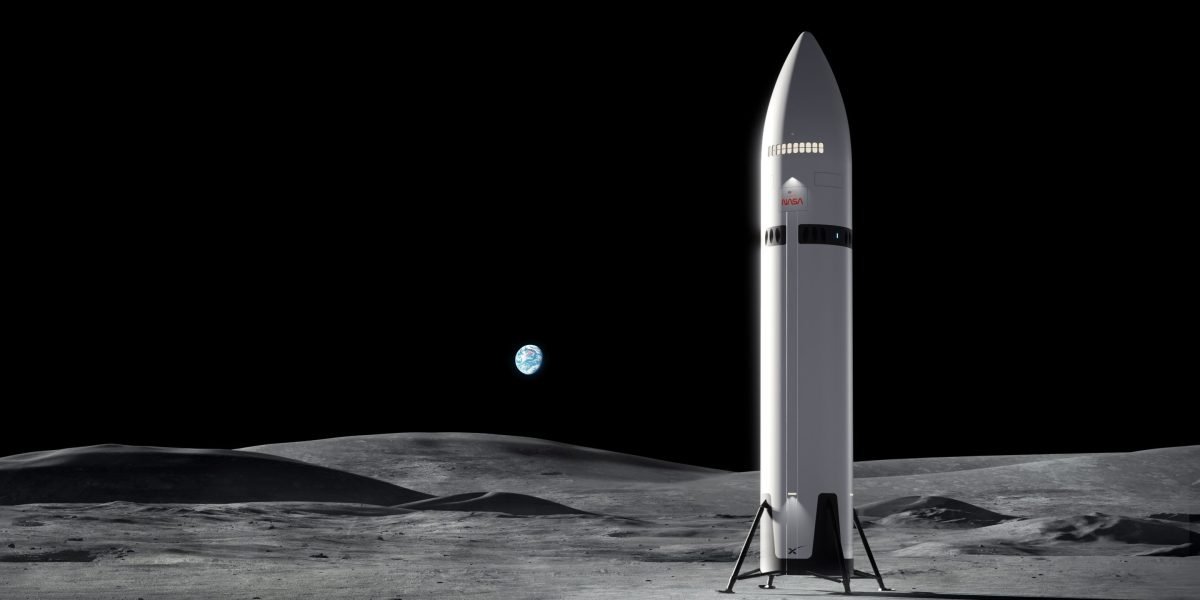
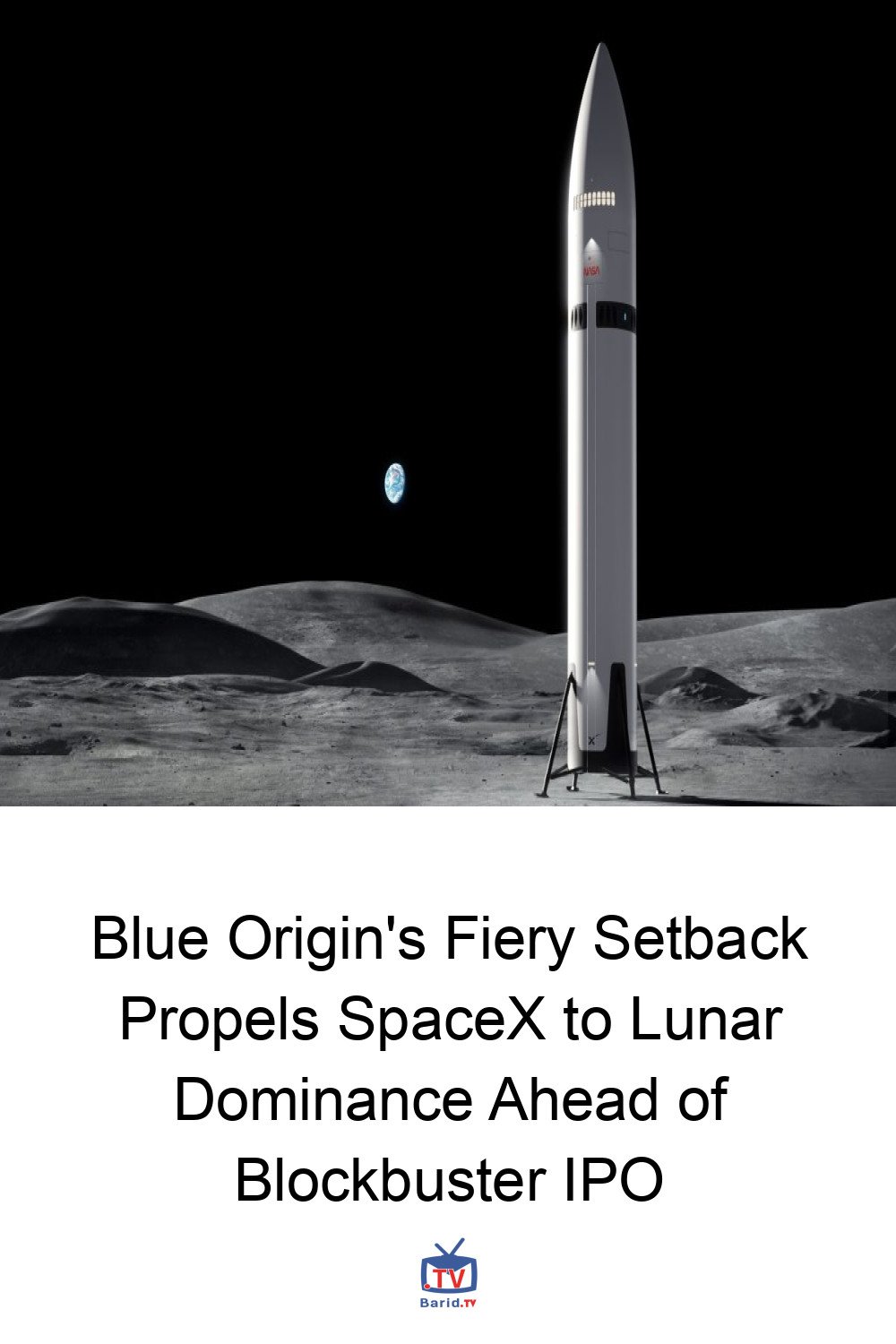
The Artemis III mission, planned for next year, aims to send astronauts into Earth orbit via the Orion and SLS. The original strategy involved docking the Orion with either SpaceX’s Starship lunar lander variant and/or Blue Origin’s Blue Moon lander. With the New Glenn, the intended launcher for Blue Moon, now out of commission, the dual-path strategy has been severely compromised, leaving SpaceX as the primary, if not sole, viable option for the immediate future.
SpaceX: The Sole Path to the Moon (For Now)
While SpaceX has demonstrated remarkable progress, including a largely successful test flight of a next-generation Starship this month, the lunar-lander variant still requires significant development. This creates a precarious situation for NASA’s ambitious timeline.
Whitman Cobb warns that if SpaceX cannot ready Starship in time, NASA may be forced to delay the Artemis III orbital-docking test by a year to 2028. Such a delay would inevitably push back the Artemis IV mission, which aims to put astronauts on the moon, beyond its current 2028 target. While further delays could potentially reopen the door for Blue Origin if it can swiftly recover, the immediate future of lunar landings rests squarely on SpaceX’s shoulders.
Musk’s Moment: IPO and Market Hegemony
The timing of Blue Origin’s misfortune could not be more fortuitous for Elon Musk. SpaceX is gearing up for an IPO on June 12, anticipated to be the largest in history, seeking to raise up to $75 billion at a valuation exceeding $1.75 trillion. This incident only reinforces SpaceX’s dominant position in the burgeoning commercial space sector.
Since its inception in 2002, SpaceX has systematically captured the market, accounting for over 80% of global rocket launches last year. Its Starlink constellation, with over 10,000 satellites, provides critical space-based internet services to businesses and militaries. Beyond NASA, SpaceX is a key launch provider for the Pentagon, even contributing to President Donald Trump’s “Golden Dome” missile-defense shield initiative. As one investor recently told the Financial Times, “It’s a truly unique business with the deepest moat that exists today.”
Beyond the Moon: The Satellite Wars
SpaceX’s Starlink division has emerged as a significant “cash cow,” more than doubling its profit last year to $4.4 billion. Blue Origin had plans to compete in this lucrative arena with its own constellation of Leo satellites. However, the New Glenn explosion, which also damaged Blue Origin’s launchpad, has dealt a severe blow to these aspirations.
Walter Isaacson, an advisory partner at Perella Weinberg, noted the broader implications: “SpaceX is way ahead, and the loss of this launchpad during this test means that it’s going to be harder for Blue Origin to catch up in the next two or three years with low-Earth-orbit communication satellites.”
A New Era of Space Reliance
The Blue Origin New Glenn explosion marks a pivotal moment, solidifying SpaceX’s critical role in NASA’s immediate lunar ambitions and further widening the gap in the commercial space race. As Elon Musk prepares for a monumental IPO, the path to the moon, for now, appears to be a SpaceX-only highway, fraught with both immense opportunity and significant challenges for all involved.
For more details, visit our website.
Source: Link