
In a legal showdown with profound implications for global tech policy and academic freedom, the Trump administration is vigorously defending its controversial policy to restrict visas for foreign experts involved in content moderation. This move has sparked a lawsuit from a coalition of independent tech researchers, who argue the policy creates a chilling effect on vital discourse surrounding online disinformation and platform governance.
The Heart of the Dispute: Visa Restrictions and Free Speech
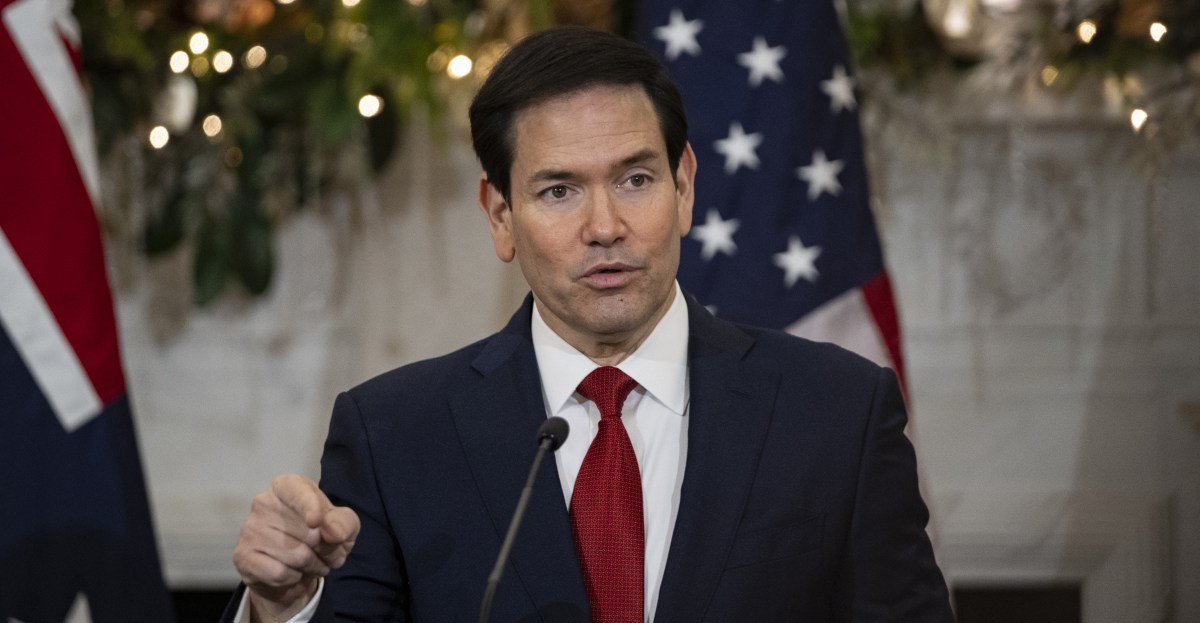
The contentious policy, announced last May, empowers the State Department to deny visas to foreign officials who “demand that American tech platforms adopt global content moderation policies.” This stance, championed by Secretary of State Marco Rubio and other administration officials, was recently invoked to sanction five individuals working on online disinformation, including former European official Thierry Breton, a key architect of the EU’s digital services rules.
On Wednesday, US District Court Judge James Boasberg presided over arguments in a lawsuit filed by the nonprofit Coalition for Independent Technology Research (CITR). The CITR is seeking a preliminary injunction to block the policy, contending that its continuation will stifle crucial research and open dialogue on topics like content moderation and the spread of online misinformation.
A Chilling Effect on Critical Research
The CITR asserts that the policy directly undermines scholars’ ability to speak and publish freely. Court declarations from researchers paint a concerning picture: academics are reportedly self-censoring, holding back from public discussions, or delaying the publication of research for fear of jeopardizing their visa status or international travel plans. “One of the worst parts about a chilling effect is all of the research that won’t happen,” remarked Brandi Geurkink, CITR executive director, following the hearing, highlighting the unseen damage to the academic landscape.
Among those sanctioned were executives from the Center for Countering Digital Hate (CCDH) and the Global Disinformation Index (GDI), both CITR members. Notably, CCDH’s CEO, Imran Ahmed, a lawful permanent US resident, was also referenced by Secretary Rubio in a memo suggesting his deportability, despite the administration’s narrow interpretation of the policy.
The Legal Tug-of-War: Narrow Interpretation vs. Broad Impact
The government’s defense, presented by attorney Zack Lindsey, hinges on a narrow reading of the policy, claiming it targets only the conduct of foreign government officials, thereby posing no threat to independent researchers. However, Carrie DeCell, senior staff attorney at the Knight First Amendment Institute, arguing for CITR, countered that there is no evidence figures like Ahmed were coordinating with foreign governments.
Judge Boasberg pressed Lindsey on this discrepancy, questioning whether the government’s argument “explodes” if the policy is applied beyond its stated criteria. Lindsey, while insisting Ahmed wasn’t *actually* targeted under the policy despite Rubio’s memo, maintained that specific cases do not undermine the State Department’s broader authority. The ambiguity surrounding what constitutes “working with a foreign government” remains a significant point of contention, an ambiguity DeCell suggested “seems to be part of the point” – allowing the State Department expansive visa restriction powers.
Judicial Scrutiny and Future Implications
The injunction’s fate may rest on technical legal questions, such as CITR’s standing to sue. Yet, Judge Boasberg also challenged a fundamental government claim: that a policy’s constitutionality can only be decided in the context of an individual visa holder’s deportation challenge. “No matter how preposterous a policy that was promulgated, there could be no constitutional challenge?” he hypothetically queried, signaling a deep concern for potential unchecked executive power.
Judge Boasberg is expected to rule soon on whether the policy must be halted to prevent irreparable harm. His decision will undoubtedly shape the future of international collaboration on critical tech issues and the delicate balance between national security interests and academic freedom in the digital age.
For more details, visit our website.
Source: Link