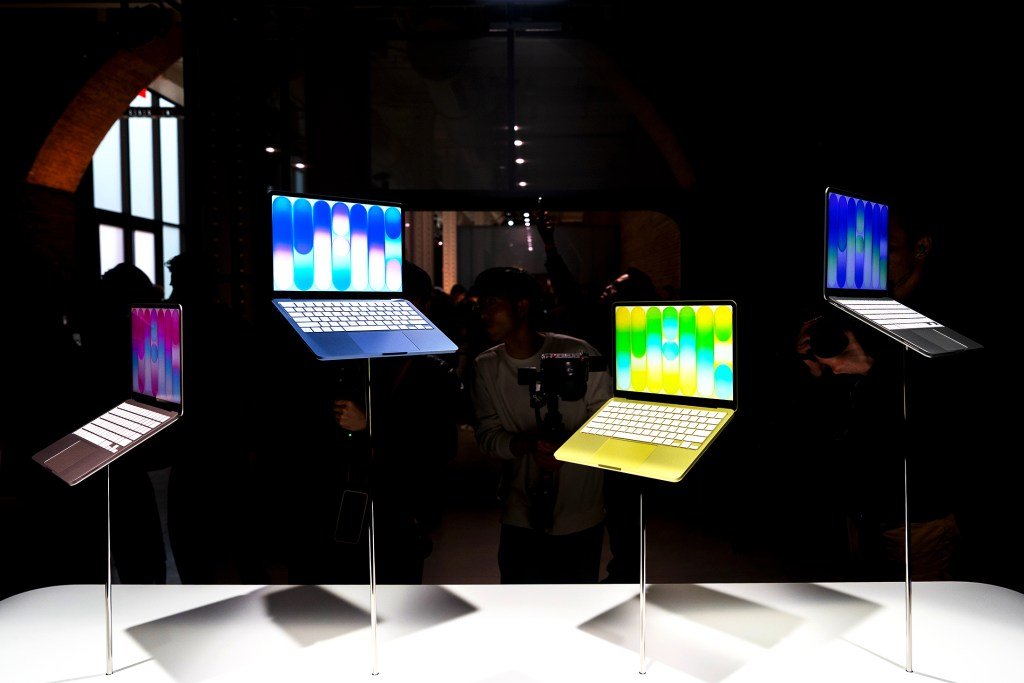

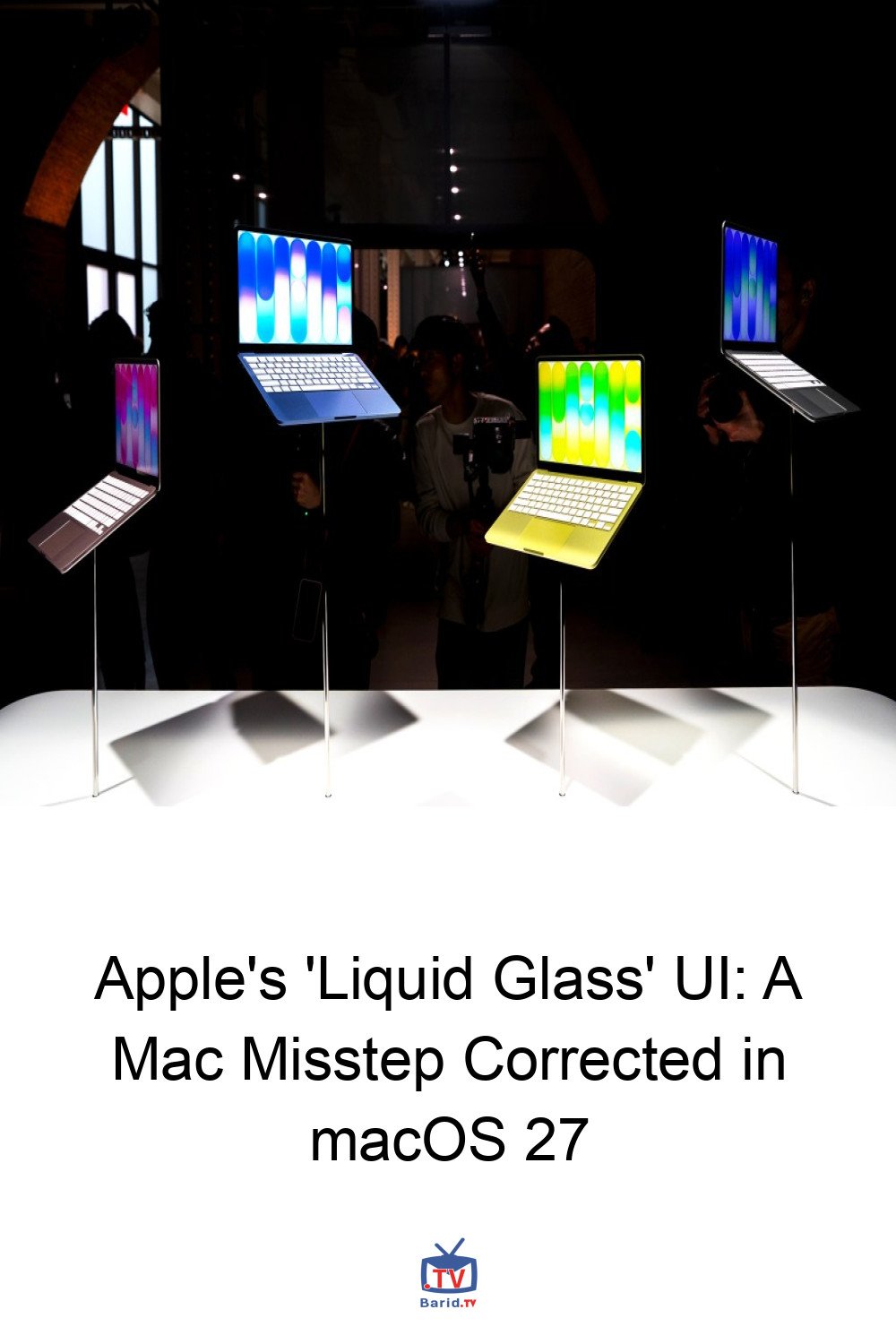
Apple’s ambitious “Liquid Glass” interface, a hallmark of iOS 26, promised a sleek, translucent future. While it dazzled on the vibrant OLED screens of iPhones, its transition to the Mac ecosystem proved less than stellar. The company’s macOS 26 Tahoe update brought these glass-like textures and translucent effects to desktops, but a critical hardware mismatch led to a significant user experience hiccup.
The Glitch in the Glass: Why Liquid Glass Stumbled on Mac
The core issue lies in display technology. The Liquid Glass aesthetic, with its subtle blurs, transparencies, and depth-creating shadows, was meticulously crafted for the deep blacks and vivid colors of OLED panels. However, the vast majority of Macs currently in use still rely on traditional LCD screens. On these displays, the intended visual elegance often translated into a muddied, less defined experience.
Readability Suffers
Instead of enhancing the interface, the translucent elements and shadows on LCDs frequently made text harder to read. What was meant to be a sophisticated design choice inadvertently compromised clarity, a fundamental aspect of any operating system. This created a rare and noticeable disconnect between Apple’s cutting-edge software vision and the hardware realities for many of its loyal Mac users.
macOS 27: A Refined Vision for All Macs
Recognizing this user feedback and the technical disparities, Apple is reportedly preparing a “slight redesign” for macOS 27. Bloomberg’s Mark Gurman indicates that this isn’t an abandonment of the Liquid Glass concept, but rather a thoughtful refinement. The goal is to optimize the interface to perform beautifully across all Mac displays, including the prevalent LCD models, ensuring that the visual flair doesn’t come at the expense of readability or user comfort.
Unveiling at WWDC
The eagerly anticipated update is slated for a grand reveal at Apple’s Worldwide Developers Conference on June 8. This event will likely shed more light on how Apple plans to bridge the gap between its forward-looking design language and the diverse hardware landscape of its user base.
Bridging the Hardware-Software Divide
This situation underscores a unique challenge for Apple: designing for future innovations while supporting its existing product lines. The Liquid Glass interface was undoubtedly conceived with upcoming OLED-equipped Macs in mind. However, current Mac models, many with designs dating back to 2021 and 2022, simply weren’t engineered to render these effects optimally. macOS 27 represents a crucial step in ensuring that the software experience is harmonious with the hardware people currently own, reaffirming Apple’s commitment to user experience across its entire ecosystem.
For more details, visit our website.
Source: Link