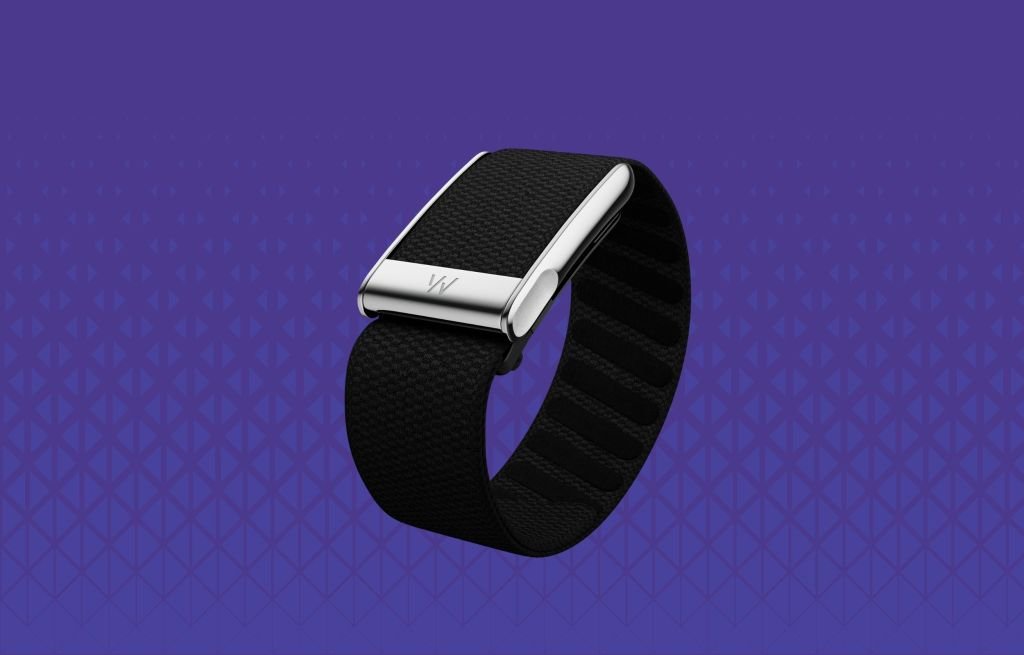

In a surprising twist for the tech-driven wearables market, a counter-intuitive design choice is propelling a new generation of fitness trackers to unprecedented popularity. Brands like Whoop, Oura, and the newly launched Fitbit Air are making a bold bet: that removing the screen isn’t a step backward, but a leap forward. And the numbers speak for themselves, with screenless fitness tracker sales skyrocketing by an astounding 88% between 2024 and 2025.
The Rise of the Unseen Tracker
While smartwatches, led by the ubiquitous Apple Watch, continue to dominate a significant segment of the wearables landscape, a different breed of device is carving out its own formidable niche. These screenless wonders aren’t attempting to compete head-on with their display-equipped counterparts. Instead, they’re redefining what a fitness tracker can be by stripping away what many once considered an essential feature.
This strategic differentiation has paid off handsomely. Whoop, a pioneer in the screenless band market, secured a massive $575 million in funding in March. Similarly, smart ring innovator Oura has attracted over $900 million in investments. Both companies now boast valuations exceeding $10 billion, underscoring the immense investor confidence in this burgeoning sector. The market’s heat is undeniable, evidenced by Google’s recent entry with its $100 Fitbit Air, slated to ship on May 26.
Beyond the Display: Unlocking Core Benefits
Extended Battery Life: The 24/7 Advantage
The most immediate and compelling benefit of ditching the screen is a dramatic improvement in battery life. While many smartwatches require daily charging, screenless trackers can last for weeks on a single charge. This extended endurance is crucial for the 24/7 health monitoring capabilities that these brands champion, allowing users to track sleep, recovery, and activity without interruption or the constant worry of a dead battery.
A Question of Style: “If It Has a Screen, It’s a Watch”
Beyond practicality, the absence of a screen addresses a significant style consideration. As Whoop CEO Will Ahmed succinctly put it to the WSJ, “If it has a screen, then it’s a watch. If it’s a watch, then you can’t wear two watches.” This philosophy highlights a key differentiator: screenless trackers are designed to be discreet, complementary accessories rather than primary timepieces. They integrate seamlessly into a user’s existing style, allowing for the simultaneous wearing of a traditional watch or other jewelry, appealing to a demographic that values both data and aesthetics.
The Future is Discreet
The explosive growth of screenless fitness trackers signals a significant shift in consumer preferences. It suggests a growing appreciation for specialized devices that prioritize function, longevity, and unobtrusive design over multi-functionality and constant notifications. As these innovative brands continue to refine their offerings and expand their reach, the wearables market is likely to see further evolution, proving that sometimes, less truly is more.
For more details, visit our website.
Source: Link