
A Looming Crisis: The Strait of Hormuz and Global Jet Fuel Supply
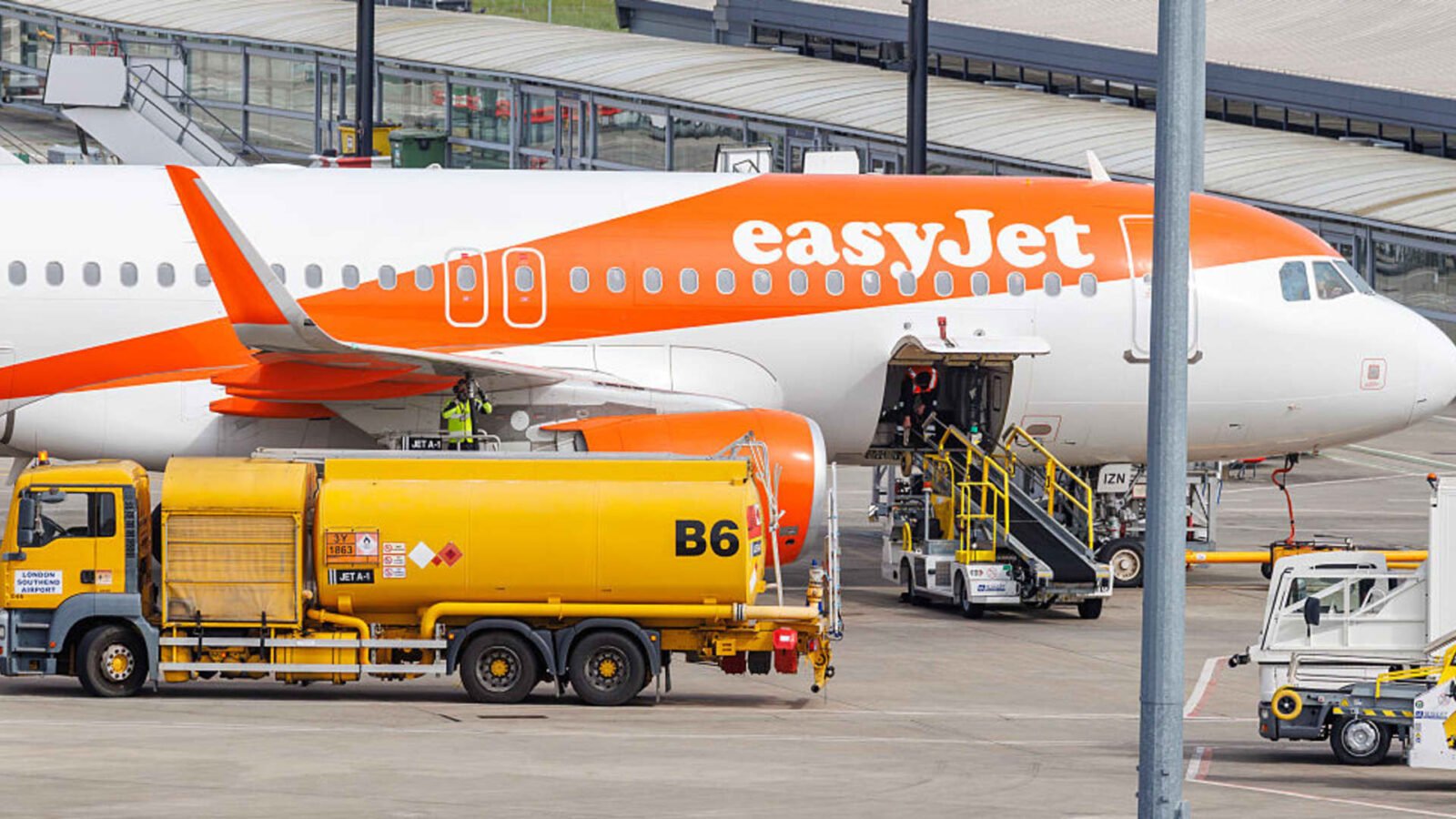
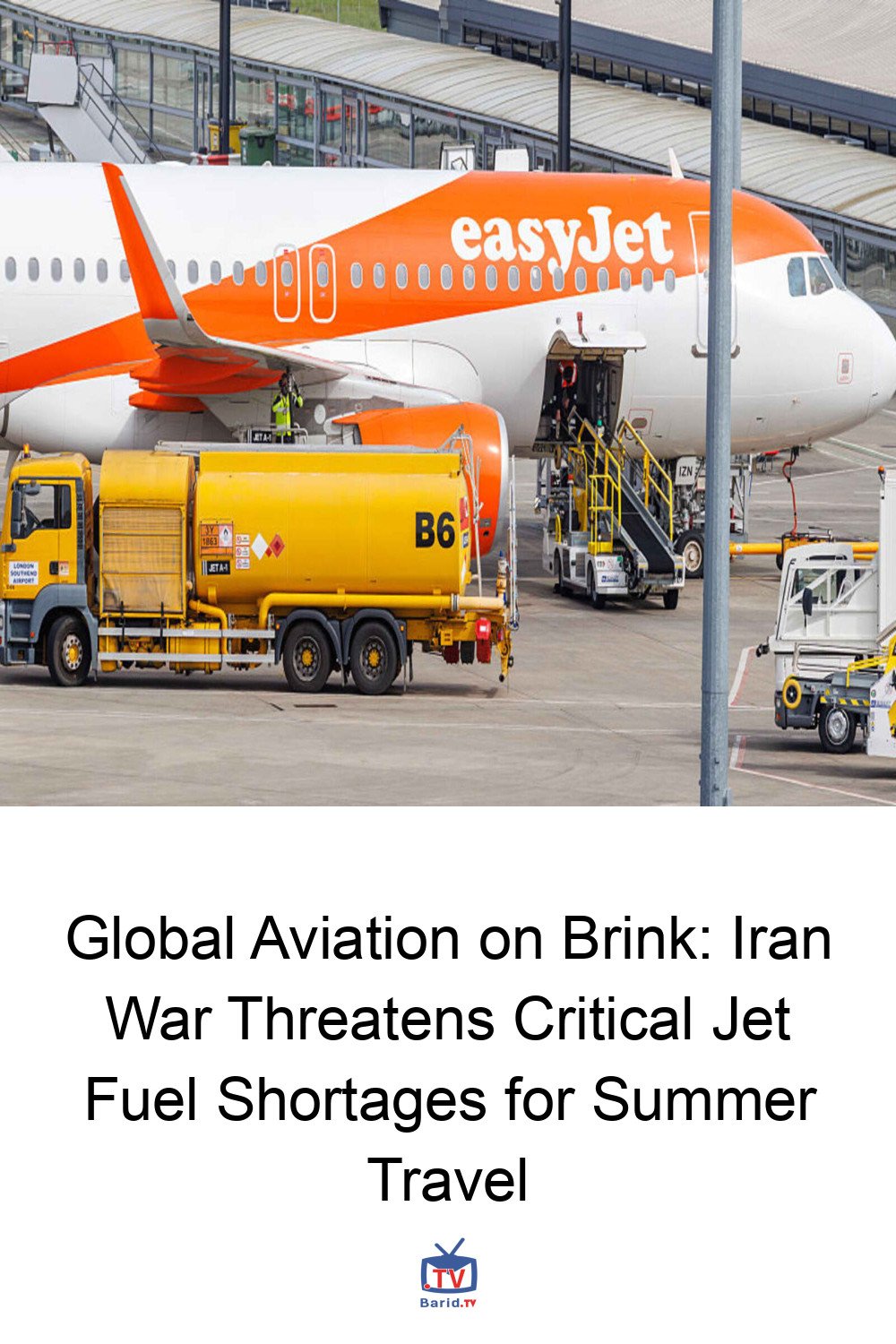
The global aviation industry is bracing for a potentially catastrophic summer as a critical jet fuel shortage, triggered by the ongoing conflict in Iran and the subsequent closure of the Strait of Hormuz, threatens to ground flights and disrupt travel plans across Asia and Europe. What began as a regional conflict has rapidly escalated into a global energy crisis, with experts warning of severe repercussions for import-dependent nations.
Before the U.S. and Israel’s actions against Iran on February 28th, the Persian Gulf was the single largest source of jet fuel for the international market. Iran’s retaliatory blockade of the Strait of Hormuz, a vital chokepoint for global oil transit, has effectively severed this supply line, sending shockwaves through an already fragile energy landscape.
Europe and Asia Face Unprecedented Challenges
Europe’s Vulnerability Exposed
Europe, heavily reliant on Middle Eastern energy, finds itself particularly exposed. Approximately 20% of the continent’s jet fuel previously originated from the Gulf. Airports Council International Europe has issued a stark warning to the EU, predicting a “systemic jet fuel shortage” if the Strait remains closed. The impact is already palpable: jet fuel prices in Europe have doubled over the past year, reaching an alarming $187 per barrel by May 1st. Major carriers like Lufthansa have already been forced to slash thousands of short-haul flights through October, citing escalating fuel costs as a primary factor.
While European Commissioner for Transport Apostolos Tzitzikostas noted “no evidence of actual shortages” as of April 21st, he acknowledged that commercial jet fuel stocks are under immense pressure. The airports association’s April 9th letter underscored the urgency, stating that shortages would hit Europe if exports through the Strait did not resume “in a significant and stable way” within three weeks – a deadline that has now passed.
Asia’s Ripple Effect: A “Slow Motion Car Crash”
The crisis extends far beyond Europe. Refineries in major Asian economies like China, South Korea, and India, which historically processed about 90% of the Gulf’s oil exports, are now struggling to meet both domestic and international demand for jet fuel. “It’s a slow motion car crash,” stated Matt Smith, director of commodity research at Kpler, to CNBC’s “Squawk Box.” “We’re just kind of sleepwalking through it.” The loss of crucial crude oil feedstocks has crippled their production capacity, creating a domino effect across the continent.
The Numbers Tell a Grim Story
Data from Kpler paints a stark picture of the rapidly deteriorating situation. Global jet fuel exports plummeted by 30% in April, dropping to 1.3 million barrels per day (bpd) from 1.9 million bpd in the same month last year. Even more alarmingly, jet fuel loaded on tankers last week plunged by a staggering 50%, from 37.8 million barrels to just 18.6 million barrels. “Jet is incredibly short,” confirmed Valero Energy Chief Operating Officer Gary Simmons during an April 30th earnings call, highlighting the severe supply crunch.
The End of the Grace Period and a Long Road Ahead
The initial shock of the blockade was somewhat cushioned by pre-war shipments that arrived in March and April. However, this “grace period” is now over. Andrew O’Brien, CFO of ConocoPhillips, warned that these shipments have all arrived, and the market’s reliance on commercial inventories is unsustainable. Exxon Mobil CEO Darren Woods echoed this sentiment, noting that these stocks will eventually dwindle to working minimums, making the true economic impact of the disruption increasingly apparent.
Even if the conflict were to end today, a swift return to normalcy is highly improbable. Chevron CEO Mike Wirth told CNBC that it would take “weeks and probably into months” for oil flows to normalize. The Strait of Hormuz must be thoroughly checked for mines, a time-consuming process, and hundreds of ships need to be redeployed globally to untangle disrupted supply chains. ConocoPhillips has warned that some import-dependent countries could face “critical shortages” as early as June or July, underscoring the urgency of a crisis that is only just beginning to unfold.
For more details, visit our website.
Source: Link