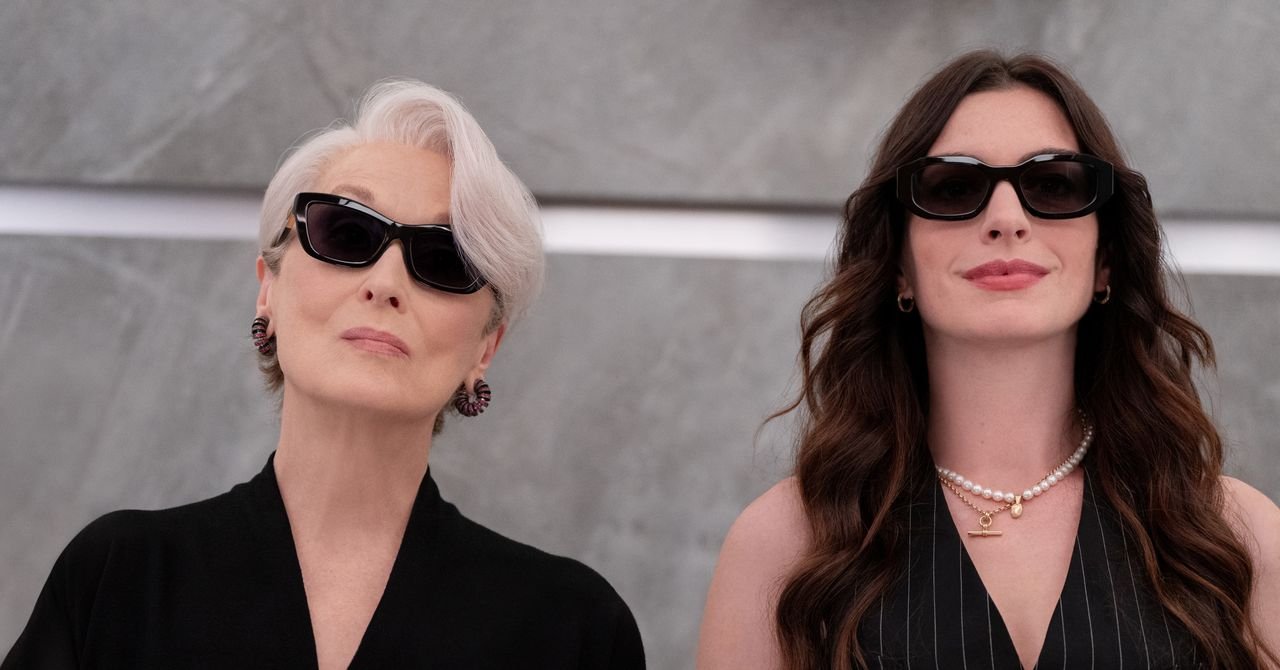

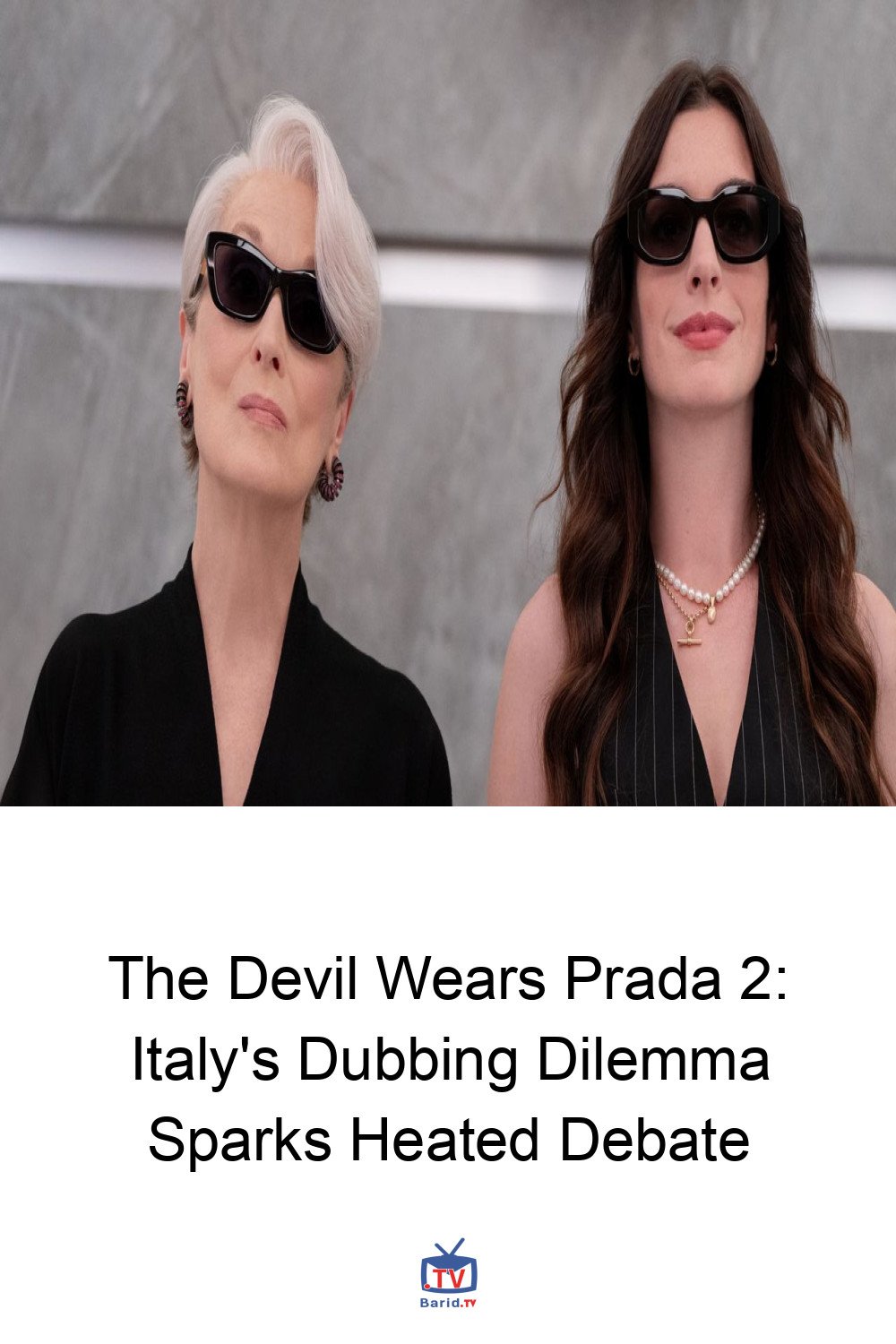
The highly anticipated sequel to a beloved cult classic, The Devil Wears Prada 2
, has stormed the global box office, raking in an impressive $77 million in the US and a further $157 million internationally since its April 29 release. While its commercial success is undeniable, the film has ignited fervent discussions about its artistic merit and how it stacks up against its iconic predecessor. Yet, in Italy, the debate has taken a unique turn, focusing not on the screenplay or performances, but on the very voices bringing the characters to life: its dubbing.
The Echoes of Familiarity: A Dubbing Dilemma
The heart of the Italian controversy lies in a decision rooted in continuity: the original voice cast from the first Devil Wears Prada returned for the sequel. Fans were initially thrilled to hear Connie Bismuto as Andy (Anne Hathaway), Francesca Manicone as Emily (Emily Blunt), and Gabriele Lavia as Nigel (Stanley Tucci). Most notably, the legendary Maria Pia Di Meo, whose voice has become synonymous with Meryl Streep in Italian cinema, reprised her role as the formidable Miranda Priestly.
When Iconic Voices Meet the Passage of Time
While the return of these beloved voice actors aimed to provide a seamless experience, some viewers quickly noted a perceived disconnect. The primary point of contention revolves around the advanced age of certain dubbers, particularly Di Meo and Lavia. Maria Pia Di Meo, born in 1939, is an undisputed titan of Italian dubbing, her career spanning decades and lending her voice to Hollywood legends like Jane Fonda, Julie Andrews, and Streep herself. Her contributions have shaped the cinematic experience for generations of Italian audiences.
However, critics argue that Di Meo’s 87-year-old voice, while masterful, now reveals the undeniable passage of time, creating a noticeable gap with the sharp, energetic persona of Miranda Priestly (played by a 76-year-old Meryl Streep in the original film). The nine-year age difference between the original actress and her Italian voice counterpart, some contend, is simply too vast to bridge convincingly. A similar sentiment has been expressed regarding Lavia’s portrayal of Stanley Tucci’s Nigel, with some finding his performance occasionally strained.
Beyond Age: A Broader Look at Dubbing in the Digital Age
This localized controversy sparks a more profound discussion about the role and efficacy of dubbing in an increasingly globalized and digitally-driven world. The rise of downloads and streaming platforms has cultivated a generation of viewers accustomed to consuming content in its original language, often with subtitles.
Even a casual listen to the Italian trailers for The Devil Wears Prada 2 reveals not only the perceived aging of voices but also challenges with the pacing and clarity of dialogue. Furthermore, the adaptation of cultural nuances in dialogue raises questions. When Andy proudly declares, “I’m a features editor at Runway,” how many non-newsroom Italians grasp the specific role? Or when Miranda’s second assistant quips, “I have to pee, I drank a venti,” is the Starbucks reference universally understood without prior context?
Perhaps, then, the issue isn’t solely with individual voice actors, but with a dubbing system struggling to keep pace with the rapid production and cultural specificity of modern content. Yet, despite these considerations, the reality remains: in a market like Italy, particularly for theatrical releases, dubbed versions overwhelmingly dominate audience preference.
The Future of International Film Consumption
These online debates, initially focused on a single film’s dubbing, ultimately serve a larger purpose. They highlight the unique way many non-US countries engage with global cinema and underscore the need for a dubbing quality that respects both the original work and the evolving expectations of audiences. In a frenetic media landscape, ensuring this quality is a challenge that demands continuous attention and innovation.
This article was originally published by WIRED Italia and has been translated and adapted for a global audience.
For more details, visit our website.
Source: Link