
Beyond the Code: Why Trust, Simplicity, and Humanity are Key to Crypto’s Mainstream Future
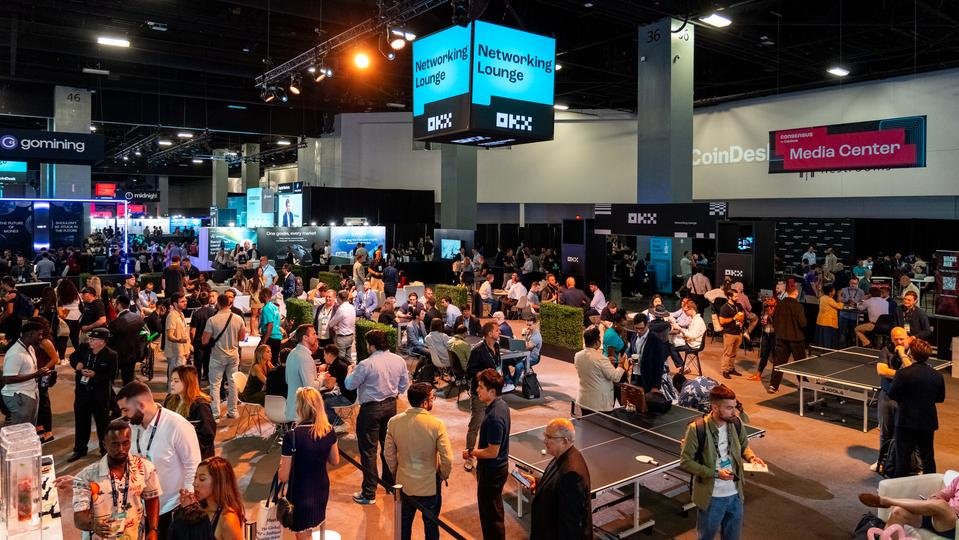
MIAMI, FL – As the digital asset landscape continues its relentless expansion, a critical question looms over its future: how does cryptocurrency move from niche innovation to widespread adoption? According to leading voices at the Consensus Miami 2026 summit, the answer isn’t found in more complex tech, but in something far more fundamental: trust.
Panelists from industry giants like Circle, U.S. Bank, and ChangeNOW converged on a singular, resounding conclusion: a pervasive lack of trust, fueled by complexity, poor user experience, and opaque operations, remains the most formidable barrier preventing crypto from truly integrating into everyday life.
The Trust Deficit: A Persistent Barrier
The sentiment from the Consensus 2026 stage was clear: for the average person, cryptocurrency is still an enigma. Ali Tager of the National Cryptocurrency Association underscored this, citing research that reveals, “the number one barrier to non-crypto holders is they just do not get it.” This ‘understanding gap’ is exacerbated by an industry often perceived as riddled with impenetrable jargon, technical complexity, and a constant stream of misinformation.
The challenge, as speakers articulated, isn’t merely about educating the public on blockchain mechanics, but about fostering an environment where users feel secure, informed, and valued. It’s about demystifying the digital frontier.
Beyond Technical Claims: Earning User Confidence
While the underlying technology of crypto is revolutionary, panelists argued that trust is not built on technical prowess alone. Instead, it’s meticulously constructed through consistent, positive user interactions and transparent operations. Britt Cambas of Circle highlighted this, stating, “you are not going to get technical trust in 30 seconds.” Her emphasis was on clarity and simplification as essential prerequisites for any hope of mass adoption.
Rachel Castro of U.S. Bank echoed this sentiment, drawing parallels to traditional financial services where trust is paramount and “very easily broken.” She warned that once lost, rebuilding that trust is a significantly longer and more arduous journey.
The Human Element in a Decentralized World
In an ecosystem often defined by decentralization and automation, the human touch emerged as a critical differentiator. Pauline Shangett of ChangeNOW articulated this powerfully: “the primary factor of trust for me when it comes to a web3 project is a feeling that you are working with real people.” This highlights a significant gap in an industry where customer support and accessible human interaction are often overlooked, leaving users feeling adrift in complex digital systems.
Cambas further emphasized the need to reduce ambiguity in products and partnerships, suggesting that simplifying existing systems could be more impactful for adoption than introducing new, intricate features.
Paving the Path to Mainstream Adoption
The path forward, as outlined by the Consensus 2026 panelists, is multifaceted. Education is undeniably crucial, but it must be coupled with product design that inherently prioritizes transparency, usability, and clear communication. Tager’s call to “make it super simple, make it accessible, make it trustworthy” encapsulates the industry’s imperative.
Moderated by Ashley Wright, the discussion concluded with a consensus: trust cannot be an afterthought or a standalone feature. It must be woven into the very fabric of product design, customer engagement strategies, and regulatory frameworks. Only by embedding trust at every level can the crypto industry truly unlock its potential and welcome mainstream users into the decentralized future.
For more details, visit our website.
Source: Link