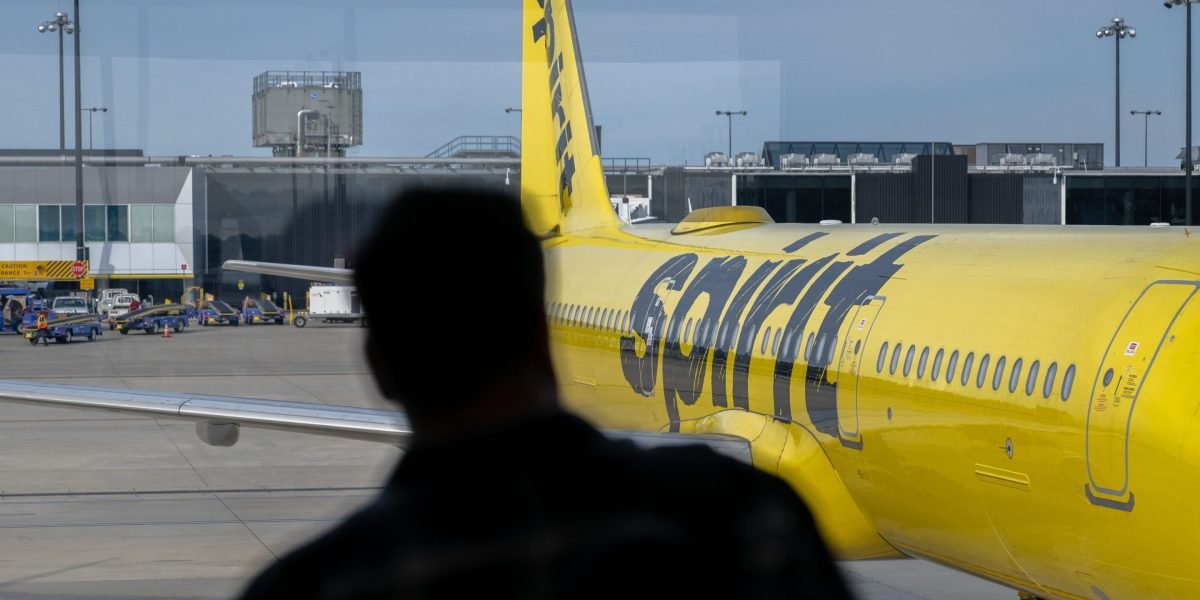

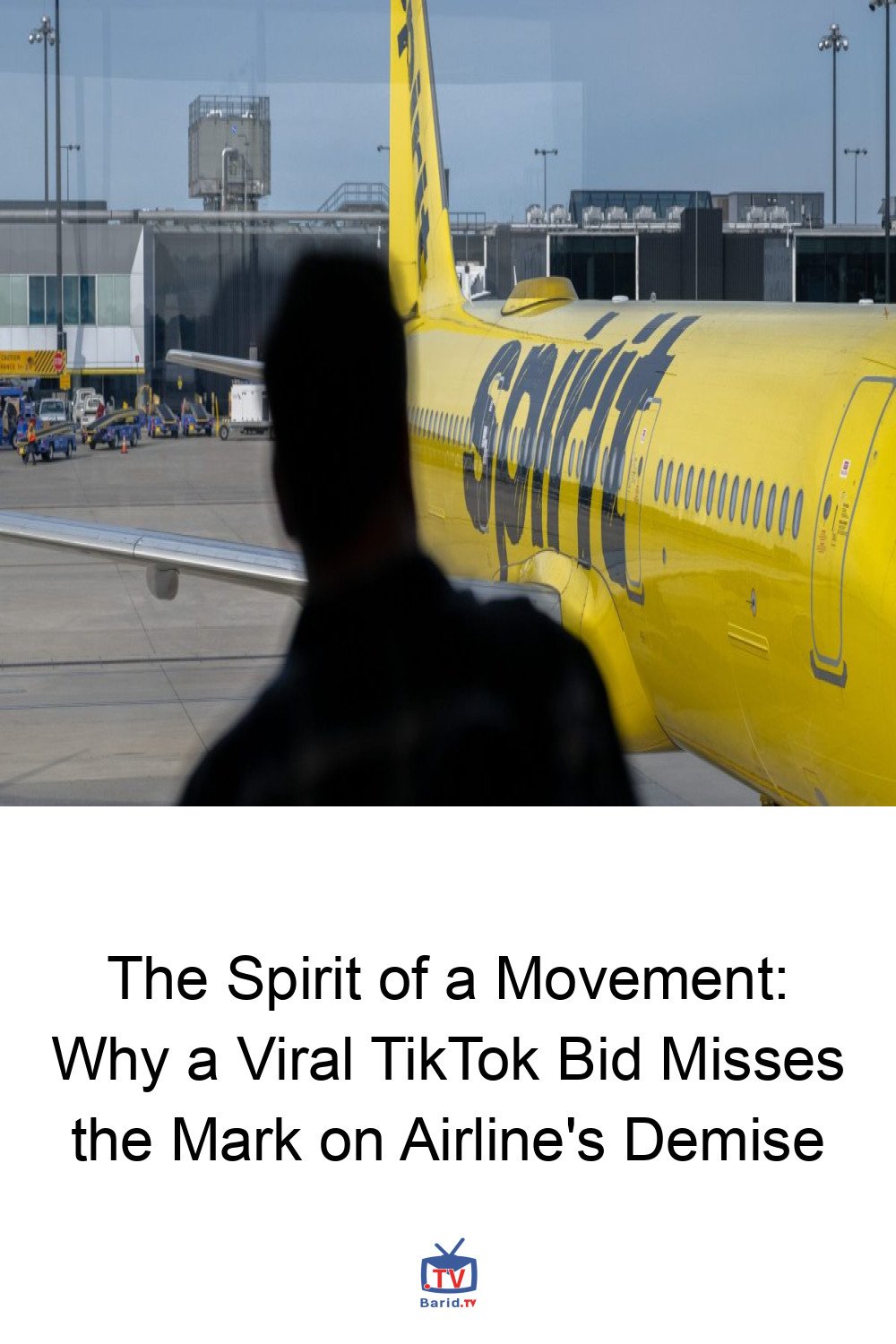
As Spirit Airlines faces its final descent in bankruptcy court, with its distinctive yellow planes being repossessed and assets carved up by larger carriers, an unexpected grassroots movement has taken flight. A viral TikTok campaign, spearheaded by 22-year-old voice actor Hunter Peterson, proposed a bold, crowd-funded rescue mission: “We could buy Spirit Airlines.”
The People’s Bid: A Digital Dream Takes Flight
Peterson’s TikTok, posted shortly after Spirit announced it was ceasing operations, quickly captivated millions. His premise was simple yet audacious: if just 20% of America’s 250 million adults contributed $30 to $40 each, the ultra-budget airline could be saved. The idea resonated, leading to the rapid launch of letsbuyspirit.com. Within days, the site claimed over $132 million in non-binding pledges from more than 156,000 individuals, aiming for a staggering $1.75 billion.
Populist Rhetoric vs. Economic Reality
The campaign’s website frames its mission with populist fervor, declaring, “Private equity is already circling the wreckage. The passengers, the workers, and the communities Spirit served can take it back. Like the Green Bay Packers. Like WinCo Foods. Like us.” With a minimum pledge of $45—roughly the cost of a one-way Spirit ticket—the vision promised proportional profit distribution and a vote for every member.
Misidentifying the Villain: The True Cause of Spirit’s Collapse
While the sentiment behind Peterson’s initiative is admirable, its core premise misfires. The “villain” isn’t private equity; it’s the harsh economic realities of the airline industry. Spirit’s downfall wasn’t due to predatory buyouts but a lack of viable buyers at a price its creditors demanded. Even Frontier, which attempted two mergers, couldn’t make a deal work. Spirit’s CEO, Dave Davis, candidly admitted, “we just kind of ran out of runway.” The airline is dissolving, so cash-strapped it can’t even afford an organized auction, opting instead to let lenders reclaim its aircraft.
Flawed Analogies: Green Bay Packers and WinCo Foods
Peterson’s chosen examples, the Green Bay Packers and WinCo Foods, also don’t quite align with his vision. The Packers are a unique, publicly owned NFL franchise, grandfathered in before a 1960 ban, where shares offer no equity or payout—more symbolic than financial. WinCo Foods operates as an Employee Stock Ownership Plan (ESOP), where the company, not individual employees, makes contributions. Neither model translates effectively to a decentralized, internet-based community of strangers pooling funds for a defunct airline.
The Unseen Impact: The “Spirit Effect” and Rising Fares
Despite the missteps in its execution, the TikTok bid inadvertently highlights a crucial loss for American consumers. Spirit Airlines, often the butt of jokes for its no-frills service, cramped seats, and myriad fees, was paradoxically a champion of affordability. Economists call it the “Spirit Effect”: the documented phenomenon where the mere presence of an ultra-low-cost carrier on a route forces competitors to lower their fares by double-digit percentages. Without Spirit, experts like William McGee of the American Economic Liberties Project warn, “everyone will be paying more.”
A Shrinking Sky: The Era of Airline Consolidation
Spirit’s demise is the latest chapter in a long history of consolidation that has reshaped American air travel. With the four largest U.S. airlines now controlling approximately 80% of domestic capacity, the disappearance of the eighth-largest carrier further reduces competition. Mergers like Northwest into Delta, US Airways into American, and Continental into United have consistently led to fewer choices and higher prices for consumers. Ironically, Spirit’s own CEO believes more consolidation is “what the lower end of the industry needs,” a sentiment that underscores the challenging landscape for smaller players.
Conclusion: A Populist Cry, A Complex Reality
While the TikTok bid to save Spirit Airlines is a testament to collective hope and digital activism, it underscores a deeper, more complex issue. The real battle isn’t against a phantom private equity villain but against the relentless forces of market consolidation that are steadily eroding affordability and choice in American air travel. The “Spirit Effect” may be gone, but its absence will be keenly felt in the wallets of travelers nationwide.
For more details, visit our website.
Source: Link