
“Ultra-independence is a coping mechanism we develop when we’ve learned it’s not safe to trust love or when we are terrified to lose ourselves in another. We aren’t meant to go it alone. We are wounded in relationship and we heal in relationship.” ~Rising Woman
Do you often find yourself shouldering every burden alone, struggling to ask for help, or fearing disappointment when you do? If the phrase “ultra-independence may be a trauma response” resonates deeply, you are not alone. For many, this way of being isn’t a choice but a deeply ingrained survival strategy, offering a false sense of safety at the cost of genuine connection and peace.
The Silent Burden of Ultra-Independence
Living with ultra-independence often means existing in a constant state of anxiety, a relentless physical and emotional drain from the belief that every task, every challenge, must be faced in solitude. This deeply rooted pattern typically stems from a profound distrust of others, a feeling of unworthiness, or the misguided notion that self-reliance will earn love and acceptance by avoiding being a “burden.”
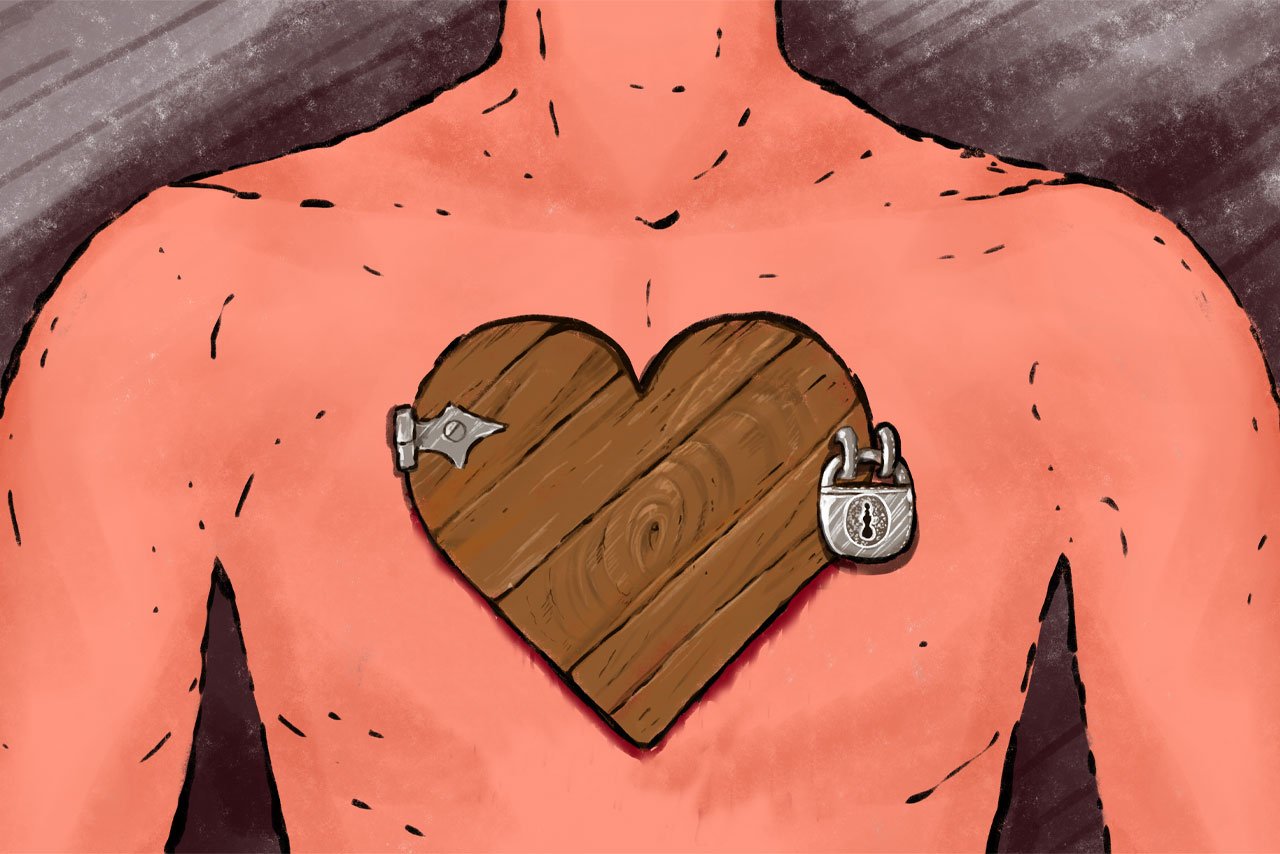
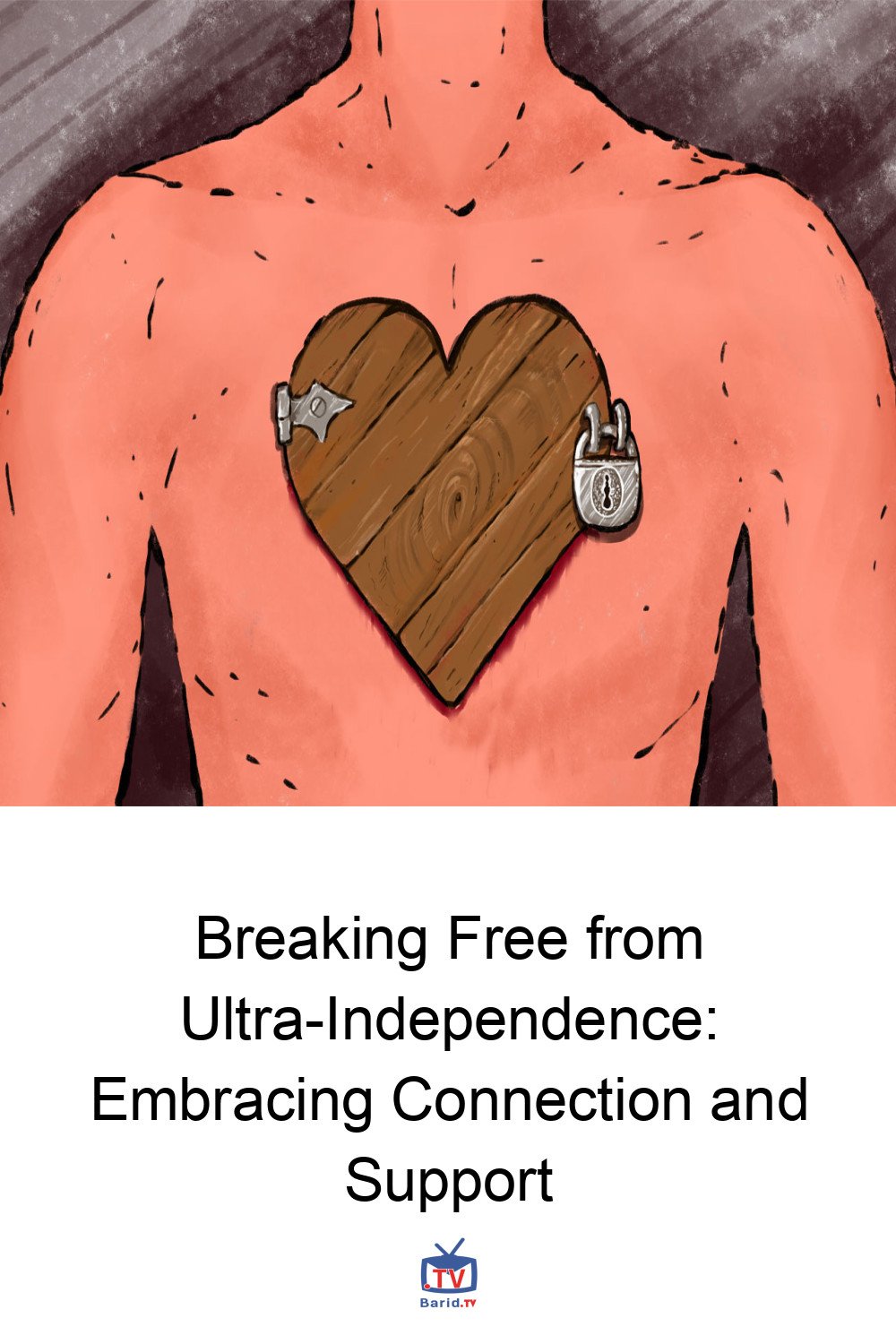
Yet, connection and mutual support are fundamental human needs. When we vehemently declare, “I don’t need anyone,” it’s often a protective mechanism, a shield against potential hurt, abuse, criticism, disappointment, or rejection. The mere thought of vulnerability, of needing or receiving support, can trigger an internal alarm: “It’s not safe.” This internal dialogue often leads us to suppress our needs, equating asking for help with weakness or “neediness,” mistakenly conflating it with unhealthy codependency. However, true human connection thrives on healthy interdependence, not isolation.
Unpacking the Roots of Self-Reliance
Ultra-independence can manifest as an extreme, unspoken boundary, making the development of healthy, articulated boundaries crucial. These boundaries allow us to feel secure in relationships without the fear of losing ourselves. The reluctance to be vulnerable, to let others truly see us, often masks deep-seated fears – fears of exposing flaws, insecurities, or triggering unresolved traumas and wounds. Carrying profound shame can lead us to withdraw, avoiding the very connections that could offer solace and healing.
From Wounds to Healing: A Personal Journey
The paradox is profound: while relationships may have been the source of our deepest wounds, it is within supportive relationships that true healing and a sense of safety can be found. For many, this concept feels counterintuitive, especially if past experiences have been marred by criticism, rejection, and emotional pain.
The author shares a poignant personal history, illustrating this struggle. Growing up, the simple act of asking for anything could provoke anger, fostering a belief that self-sufficiency was the only path. This early conditioning led to the suppression of needs and feelings, culminating in a battle with anorexia, depression, anxiety, and self-harm that lasted over two decades.
The Price of Isolation and the Path to Reconnection
A pivotal moment arrived at age twenty, when a brief foray into a relationship revealed the insidious nature of conditional “love” and support. Gifts came with strings attached, leading to a vow of absolute self-reliance: “I would never receive anything from anyone again.” This vow, born of pain and confusion, became a formidable barrier to genuine connection.
Years later, a seemingly small incident at a casino offered a chance to challenge this deeply ingrained belief. Winning money with a friend, the author instinctively tried to refuse her share, believing it would create an obligation. It was through the friend’s understanding and unconditional generosity that the rigid belief system began to crack. This experience highlighted a crucial lesson: not all giving comes with demands; some acts of kindness are simply expressions of care.
Embracing Interdependence: Steps Towards Healing
The true healing journey, for the author, commenced at age forty. It involved a conscious effort to reconnect with her authentic self, to acknowledge and honor her needs and feelings, and to process long-held traumas. Learning to ask for support was a significant hurdle, met with varied reactions – some negative, but many positive, affirming the existence of genuine, unconditional help.
Instead of self-blame and shame for past survival strategies, the focus shifted to understanding and compassion. The journey of overcoming ultra-independence is not about becoming weak or dependent, but about cultivating healthy interdependence – recognizing our inherent worthiness of love and support, and building relationships where giving and receiving flow freely and safely.
Practical Steps to Foster Connection:
- Acknowledge the Roots: Understand that ultra-independence is often a protective mechanism, not a flaw.
- Practice Vulnerability: Start small. Share a minor struggle or ask for a small favor from a trusted friend.
- Set Healthy Boundaries: Learn to articulate your needs and limits clearly, ensuring safety in relationships.
- Challenge Beliefs: Question the assumption that receiving means owing or losing autonomy.
- Seek Supportive Relationships: Actively cultivate connections with people who demonstrate empathy, respect, and unconditional care.
- Professional Guidance: Consider therapy or counseling to address underlying trauma and develop healthier coping mechanisms.
Breaking free from the chains of ultra-independence is a courageous act of self-love. It’s a journey from isolation to connection, from fear to trust, and ultimately, from surviving alone to thriving within a supportive community. You are not meant to do everything on your own; your healing and growth are deeply intertwined with the love and support you allow yourself to receive.
For more details, visit our website.
Source: Link