
Jonoya House: An Urban Sanctuary Redefining Privacy in Osaka
In the bustling heart of Osaka, where public life often spills onto the narrow streets, architect Masakazu Tsujibayashi has crafted a sanctuary that redefines the interplay between public presence and private retreat. His latest masterpiece, Jonoya House, stands as a testament to this delicate balance, an urban oasis that conceals a rich, introspective world behind its understated facade.
The Art of Seclusion in a Dense City
Architecture, at its core, is a dialogue between what is revealed and what is held sacred. In the vibrant, often exposed streetscapes of Osaka, Masakazu Tsujibayashi’s Jonoya House offers a compelling counter-narrative. It’s a design philosophy that prioritizes a profound inner world, creating a haven of tranquility amidst the urban sprawl. The simple exterior of Jonoya House belies the intricate depth and thoughtful interiority within, where light and privacy emerge as the twin pillars of its existence. Notably, the absence of waist-height windows and the playful subversion of traditional right angles throughout the structure contribute to a novel spatial experience, fostering an environment conducive to creation, work, and, most importantly, serene living.
A Symphony of Wood and Light
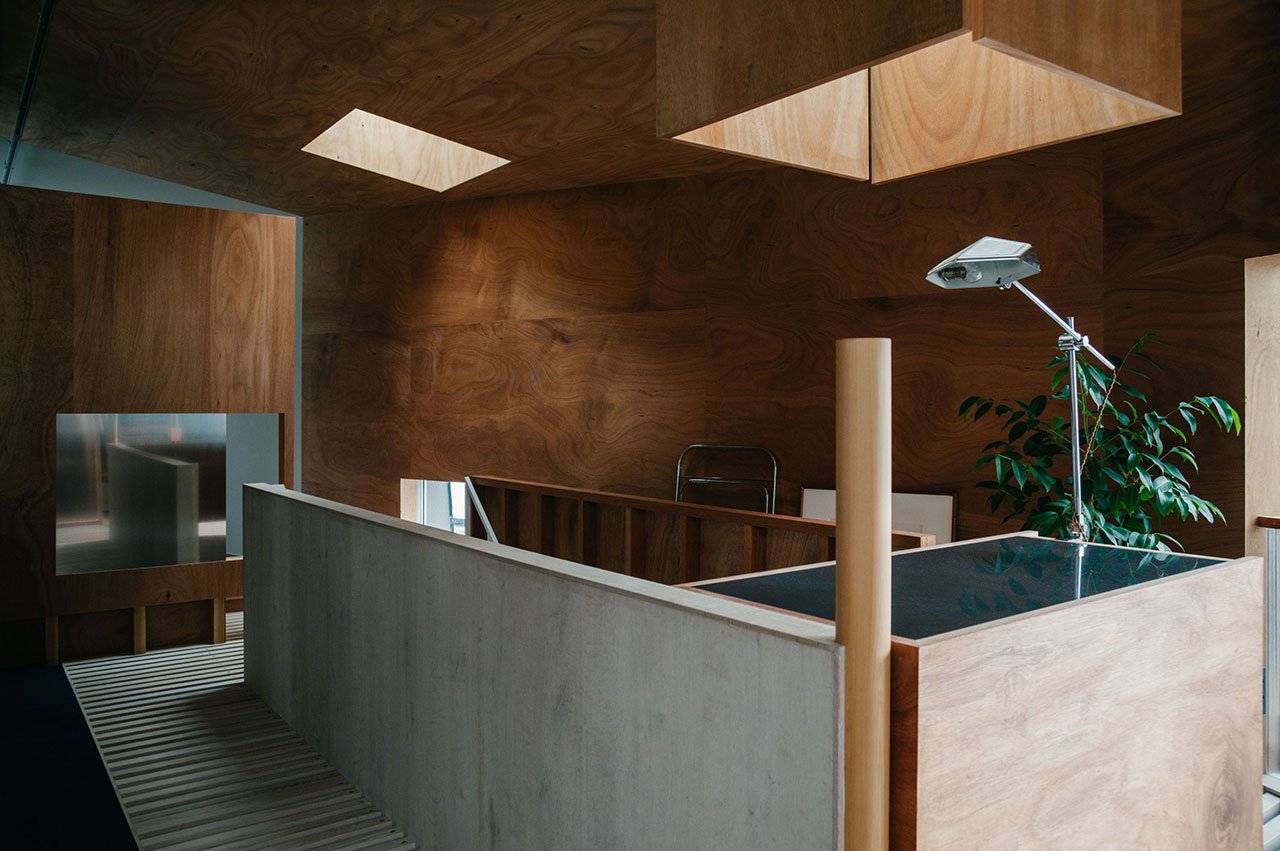
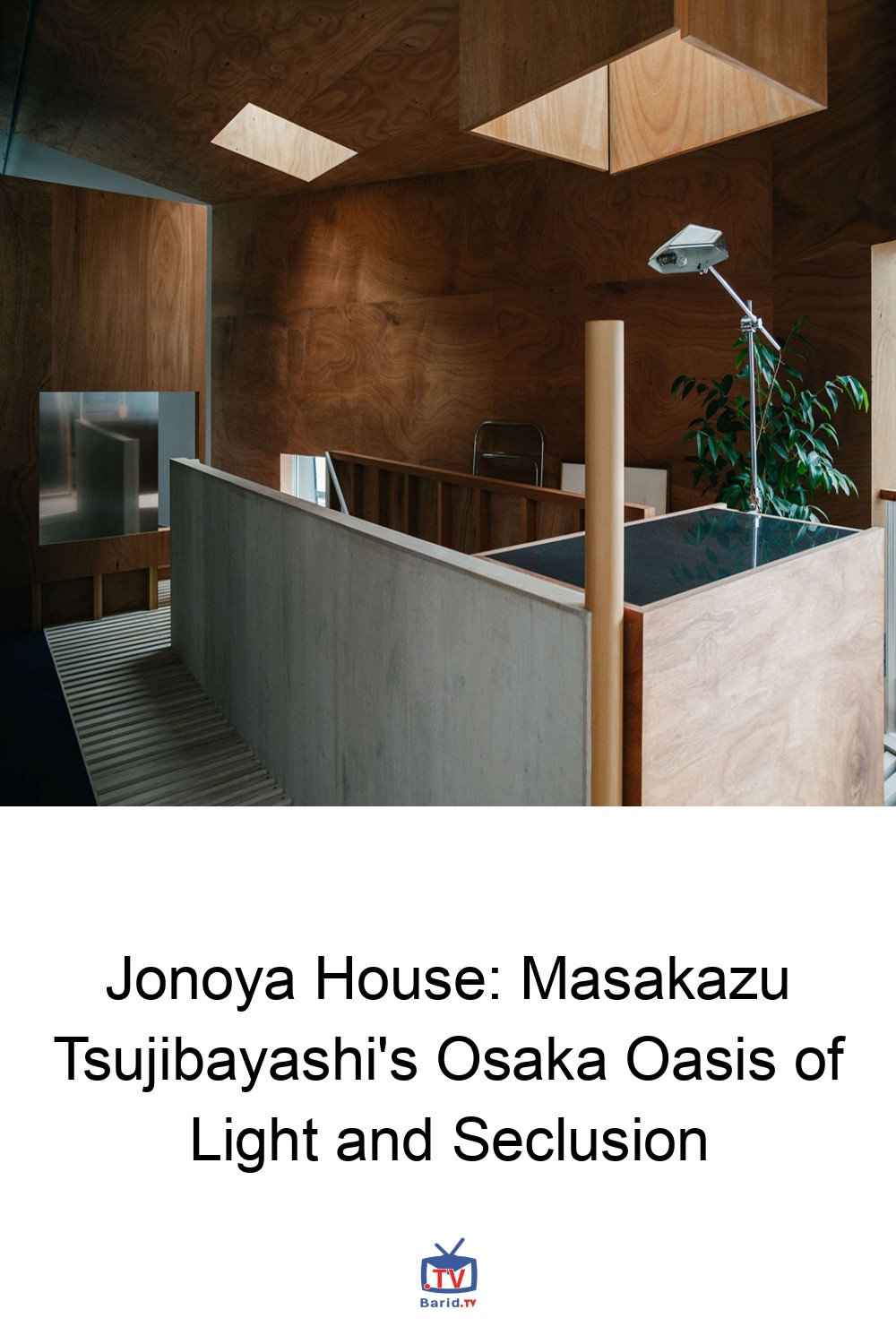
Step inside Jonoya House, and you are immediately enveloped in a warm embrace of natural wood. This material choice is more than aesthetic; it’s an ode to nature’s inherent beauty, echoing the organic undulations and growth patterns found in the wild. Overhead, strategically placed large skyllights flood the interiors with a brilliant, ever-changing light, illuminating the wood’s chatoyance and creating a dynamic interplay of shadow and glow. The upper floors, featuring elegant wood slat flooring, evoke a sense of airy loftiness, akin to a sophisticated treehouse nestled within its own protective trunk.
Rethinking Perspective and Space
Tsujibayashi’s design masterfully transforms what might typically be overlooked corners into captivating focal points. Windows, unusually situated close to the floor, are paired with generous skylights directly above, offering unexpected glimpses and a delightful reorientation of perspective. This thoughtful upending of conventional placement permeates the entire house, encouraging residents to engage with their surroundings in new and refreshing ways. This philosophy extends beyond mere aesthetics, hinting at a broader invitation to embrace new modes of thought and perception in daily life. The upper levels also boast ample storage, thoughtfully integrated to suggest a ‘library of life’ – a space for knowledge, reflection, and personal growth.
Craftsmanship and Connection at its Core
At the heart of Jonoya House is its magnificent grand staircase, a central axis bathed in natural light and accentuated by an almost entirely mirrored wall. This feature not only amplifies light but also visually expands the space, reflecting the project’s overarching commitment to simplicity and impeccable craftsmanship. Visible and celebrated joinery throughout the house pays homage to ancient building technologies, showcasing a timeless dedication to skill and precision. Generous curvatures soften the technical aspects of the design, ensuring the interiors remain warm, inviting, and approachable. A long, welcoming table stands ready, signaling an open invitation for hosting and communal gatherings, a natural extension of a home designed for connection.
Jonoya House by Masakazu Tsujibayashi is more than just a residence; it’s a profound architectural statement that champions privacy, natural beauty, and a fresh perspective on urban living. It’s a place where the ordinary is transformed into the extraordinary, offering an unparalleled sanctuary in the heart of Osaka.
by Yosuke Ohtake. To learn more about Jonoya House and the work of Masakazu Tsujibayashi, visit instagram.com.
For more details, visit our website.
Source: Link