

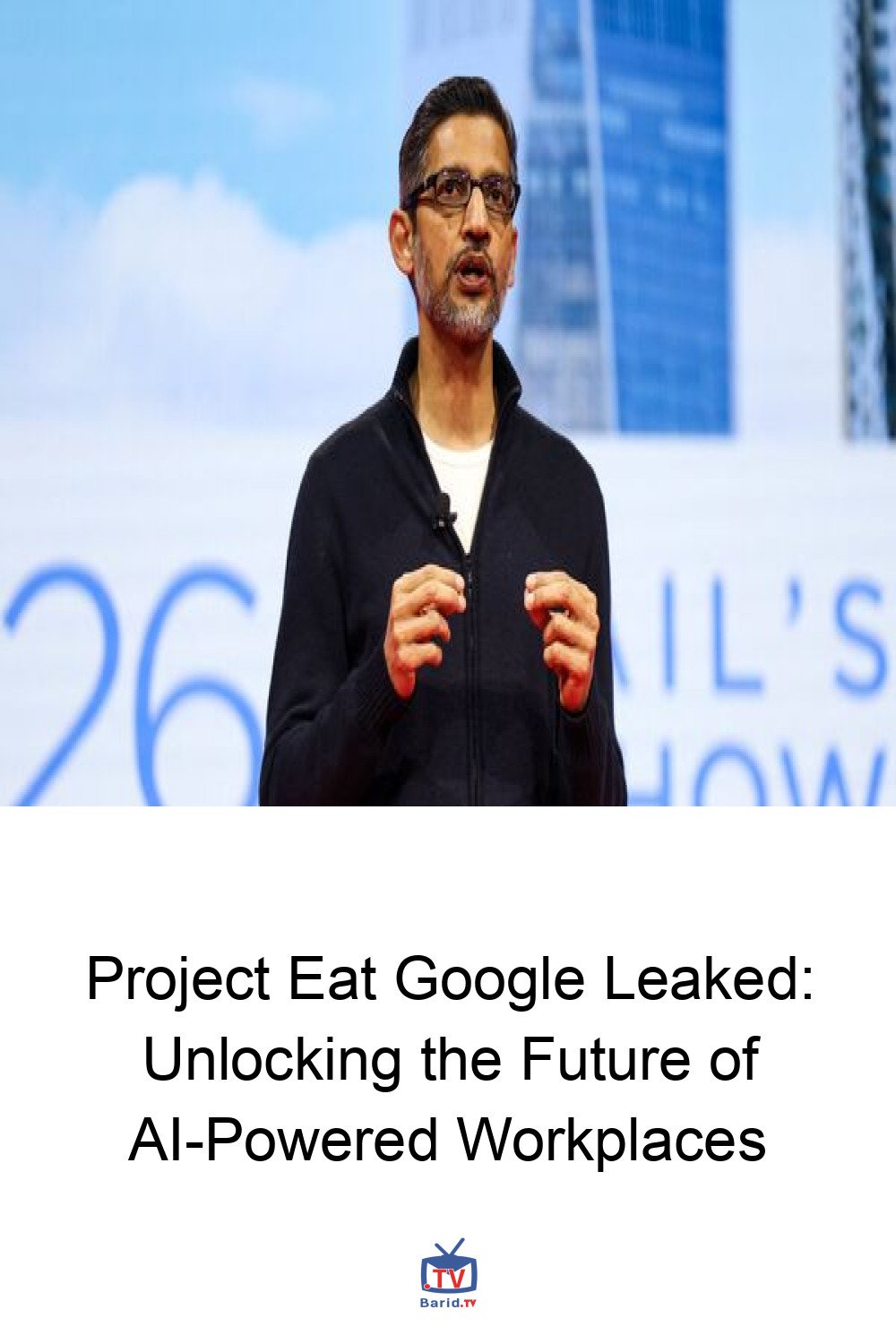
Introduction to Project EAT
Google’s ambitious initiative, Project EAT, has been making headlines after leaked documents revealed the company’s plans to transform into an AI-powered workplace. The project aims to revolutionize the way Google operates, leveraging the power of artificial intelligence to enhance employee productivity and streamline processes.
What is Project EAT?
Project EAT is an internal initiative within Google that seeks to harness the potential of AI to create a more efficient and effective work environment. The project’s primary objective is to turn Google into an AI-powered workplace, where intelligent systems and machine learning algorithms support and augment human capabilities.
Key Features of Project EAT
AI-Driven Automation
: Project EAT aims to automate routine and repetitive tasks, freeing up employees to focus on more complex and creative work.- Intelligent Decision Support: The project seeks to develop AI-powered decision support systems that provide employees with data-driven insights and recommendations.
- Personalized Workflows: Project EAT plans to introduce personalized workflows that adapt to individual employee needs and preferences, enhancing overall productivity and job satisfaction.
Continuous Learning and Development
: The project will provide employees with access to AI-powered learning and development tools, enabling them to acquire new skills and stay up-to-date with the latest technologies.
Benefits of Project EAT
By transforming into an AI-powered workplace, Google expects to reap numerous benefits, including:
- Increased Efficiency: Automation and intelligent decision support will help reduce manual errors and enhance overall productivity.
- Improved Employee Experience: Personalized workflows and continuous learning opportunities will lead to higher job satisfaction and employee engagement.
- Enhanced Innovation: By leveraging AI, Google can accelerate innovation and stay ahead of the competition in the rapidly evolving tech landscape.
- Better Decision Making: Data-driven insights and recommendations will enable Google’s leadership to make informed decisions, reducing the risk of human bias and error.
Challenges and Limitations of Project EAT
While Project EAT holds tremendous promise, it is not without its challenges and limitations. Some of the key concerns include:
- Job Displacement: The automation of routine tasks may lead to job displacement, particularly for employees in roles that are heavily reliant on manual processes.
- AI Bias and Ethics: The development and deployment of AI systems raise important questions about bias, fairness, and ethics, which Google will need to address through careful design and testing.
- Cybersecurity Risks: The increased reliance on AI and machine learning algorithms may introduce new cybersecurity risks, which Google will need to mitigate through robust security measures.
- Employee Resistance: The introduction of AI-powered workflows and decision support systems may face resistance from employees who are hesitant to adapt to new technologies and processes.
Conclusion
Project EAT represents a bold vision for the future of work, where AI and machine learning algorithms augment human capabilities, enhancing productivity, innovation, and job satisfaction. While there are challenges and limitations to be addressed, Google’s commitment to transforming into an AI-powered workplace is a significant step forward in the evolution of the modern workplace.
FAQ
- Q: What is Project EAT?
A: Project EAT is an internal Google initiative aimed at transforming the company into an AI-powered workplace. - Q: What are the key features of Project EAT?
A: The project includes AI-driven automation, intelligent decision support, personalized workflows, and continuous learning and development. - Q: What are the benefits of Project EAT?
A: The benefits include increased efficiency, improved employee experience, enhanced innovation, and better decision making. - Q: What are the challenges and limitations of Project EAT?
A: The challenges include job displacement, AI bias and ethics, cybersecurity risks, and employee resistance.