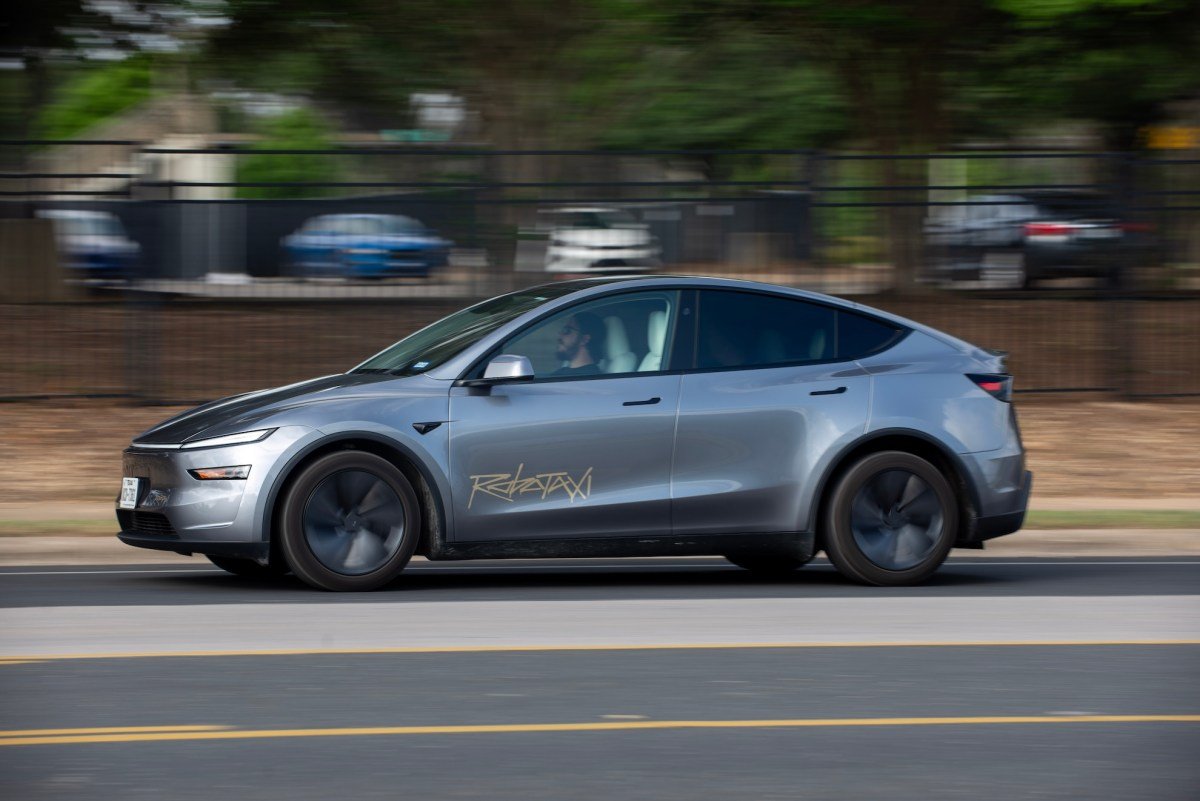

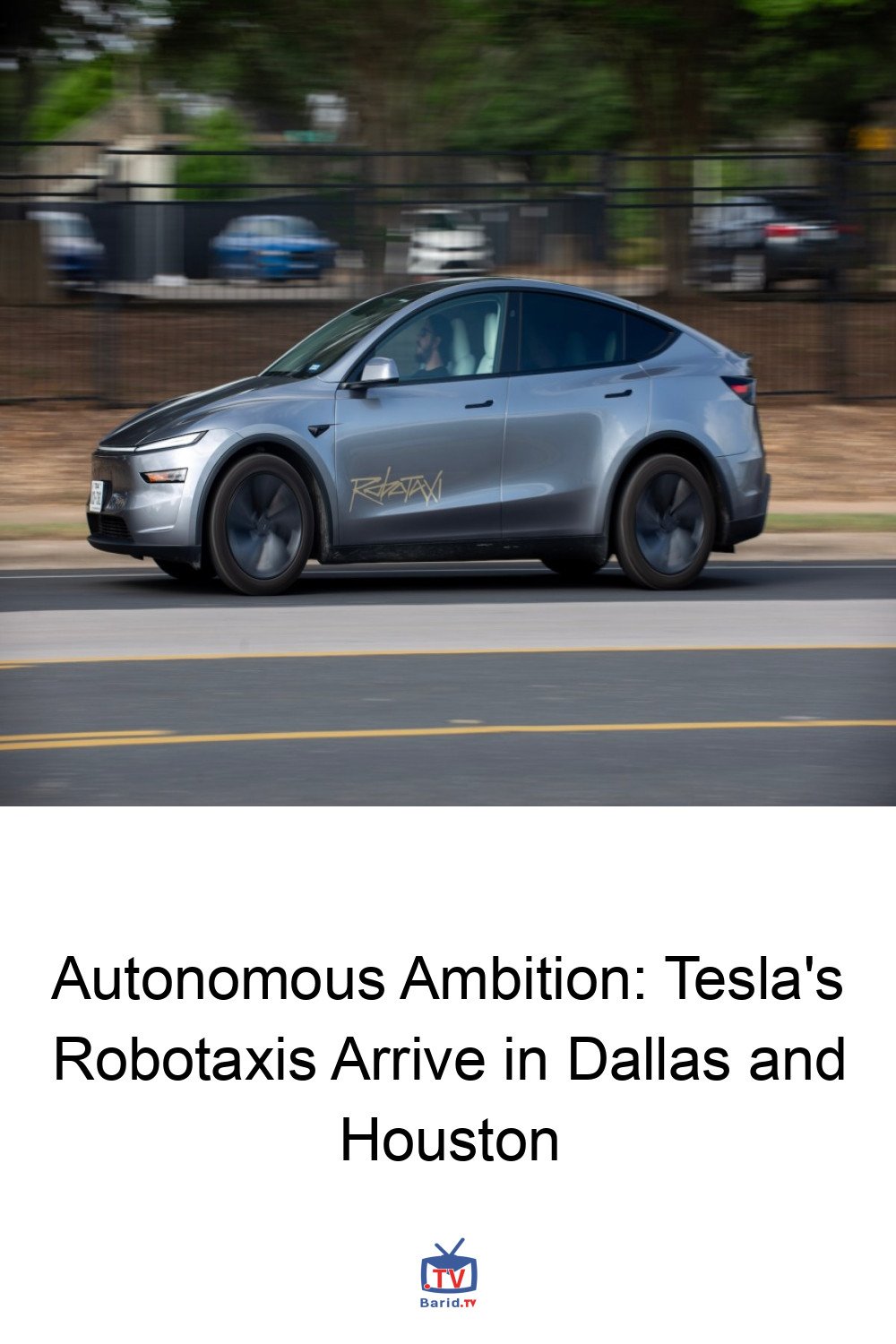
Tesla is accelerating its ambitious vision for autonomous transportation, officially launching its robotaxi service in two major Texas cities: Dallas and Houston. This expansion, announced via a concise social media post, signifies a significant step in the company’s quest to revolutionize urban mobility, though it comes with both excitement and ongoing scrutiny.
A New Frontier in Texas Mobility
The electric vehicle giant confirmed the rollout with a simple, yet impactful, message: “Robotaxi is now rolling out in Dallas & Houston 🤠.” Accompanying the announcement was a brief 14-second video, showcasing Tesla vehicles navigating city streets without any human intervention – no safety drivers, no monitors in the front seats. This visual demonstration underscores Tesla’s confidence in its Full Self-Driving (FSD) technology, as it pushes further into real-world, driverless operations.
With this latest move, Tesla’s robotaxi footprint now encompasses three key Texas urban centers. The service first debuted in Austin last year, evolving to offer fully driverless rides to the public in January 2026. This strategic concentration within Texas suggests the state is serving as a crucial proving ground for Tesla’s autonomous ambitions, allowing the company to refine its technology and operational models in a controlled, yet expansive, environment.
Navigating the Road Ahead: Safety and Scale
While the expansion is a testament to technological progress, it also brings renewed attention to the challenges inherent in autonomous driving. A February filing by Tesla revealed that its Austin robotaxis had been involved in 14 crashes since their launch. These incidents, though not detailed in the announcement, highlight the critical importance of safety and the ongoing need for rigorous testing and transparency as driverless technology integrates into daily life.
Furthermore, the initial scale of the Dallas and Houston operations appears to be modest. Crowdsourced data from the Robotaxi Tracker website indicates only a single active vehicle registered in each new city, a stark contrast to the 46 active vehicles logged in Austin. This suggests a cautious, phased deployment, likely allowing Tesla to gather data and optimize performance before a wider rollout. Beyond its fully autonomous offerings, Tesla also maintains a more limited ride-hailing service in the San Francisco Bay Area, which still utilizes human drivers, showcasing a tiered approach to its mobility services.
As Tesla’s robotaxis begin to navigate the bustling streets of Dallas and Houston, the world watches to see how this ambitious venture will shape the future of urban transportation, balancing innovation with the paramount concerns of safety and public acceptance.
For more details, visit our website.
Source: Link