



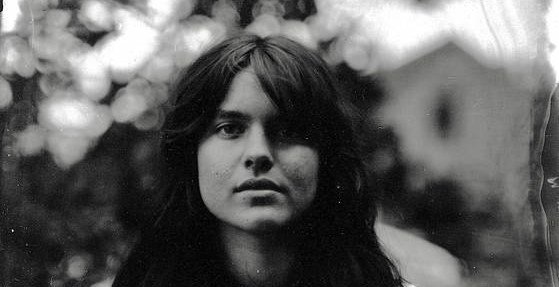

In an era where artificial intelligence promises innovation, it also presents unprecedented challenges, particularly for artists navigating the digital landscape. Folk musician Murphy Campbell’s recent ordeal serves as a stark illustration of these pitfalls, exposing critical vulnerabilities in streaming platforms and copyright enforcement systems. Her story is a cautionary tale of how a creator can become a target for both AI impersonators and opportunistic copyright claims, even when performing public domain works.
The Echo Chamber of AI Impersonation
The nightmare began for Campbell in January when she stumbled upon a disturbing discovery on her Spotify profile: several songs bearing her name and style, yet entirely unfamiliar. These weren’t her uploads; the vocals felt subtly off. Her swift deduction pointed to a sinister new trend: AI-generated covers. Someone had evidently siphoned her YouTube performances, fed them into AI models, and then distributed the resulting fakes across major streaming platforms under her identity.
A Digital Identity Crisis
Campbell’s suspicions were quickly validated. AI detection tools, when applied to tracks like “Four Marys,” indicated a high probability of AI generation. “I was kind of under the impression that we had a little bit more checks in place before someone could just do that,” Campbell confessed to The Verge, highlighting a widespread misconception about the safeguards in place. The battle to remove these ersatz recordings was arduous, a testament to her persistence. “I became a pest,” she recounted. While some platforms like YouTube Music and Apple Music eventually purged the fakes, Spotify proved more resistant, with at least one track resurfacing under a new, yet identically named, artist profile. The digital world now boasts “multiple Murphy Campbells,” a development the real Campbell wryly noted, “Obviously, I was thrilled by that.”
Spotify’s proposed solution—a system allowing artists to manually approve songs—is met with understandable skepticism from Campbell, who, like many artists, has grown wary of grand promises from large platforms.
The Public Domain Under Siege: A Copyright Troll Emerges
Just as Campbell grappled with her AI doppelgangers, a new front opened in her digital battle. Coinciding with a Rolling Stone article detailing her AI woes, a series of videos were uploaded to YouTube via distributor Vydia. These videos, posted by an individual named “Murphy Rider,” were then used to file copyright claims against Campbell’s own content, including her renditions of public domain classics like “Darling Corey” and “In the Pines.”
When Ancient Ballads Become Modern Disputes
The audacity of these claims was staggering. “In the Pines,” a ballad tracing its roots back to the 1870s, has been performed by countless artists, from Lead Belly to Nirvana. Yet, YouTube’s Content ID system, designed to protect intellectual property, initially accepted these claims, notifying Campbell that she would be “sharing revenues with the copyright owners.” This incident underscored a profound flaw: a system meant to protect creators was being weaponized against them, even for works that belong to everyone.
Vydia, the distributor involved, eventually released the claims, with spokesperson Roy LaManna stating the uploader had been banned. LaManna defended Vydia’s overall accuracy, citing a mere 0.02 percent invalid claim rate out of millions, a figure he deemed “amazing by industry standards.” He also vehemently denied any connection between Vydia and the initial AI covers. Despite the official explanations, the timing of these two distinct but equally damaging incidents raises significant questions about the interconnectedness of these digital abuses.
A Deeper Dive into Digital Vulnerabilities
The fallout for Vydia included “literal death threats” and office evacuations, highlighting the intense frustration and anger this situation has generated. However, Campbell herself points to a larger systemic issue. The complex interplay between generative AI, music distribution networks, and copyright law creates numerous points of failure and ripe opportunities for exploitation. “I think it goes way deeper than we think it does,” Campbell observed, encapsulating the sentiment of many artists grappling with the rapid evolution of digital content creation and distribution.
Murphy Campbell’s experience is more than just an individual artist’s struggle; it’s a clarion call for robust reforms. It demands a re-evaluation of how AI content is verified, how copyright claims are processed, and how platforms protect artists from digital impersonation and predatory practices. As AI technology continues to advance, the music industry and regulatory bodies face an urgent imperative to fortify defenses, ensuring that creativity, authenticity, and the public domain remain safeguarded against the shadows of the digital age.
For more details, visit our website.
Source: Link




Leave a comment