

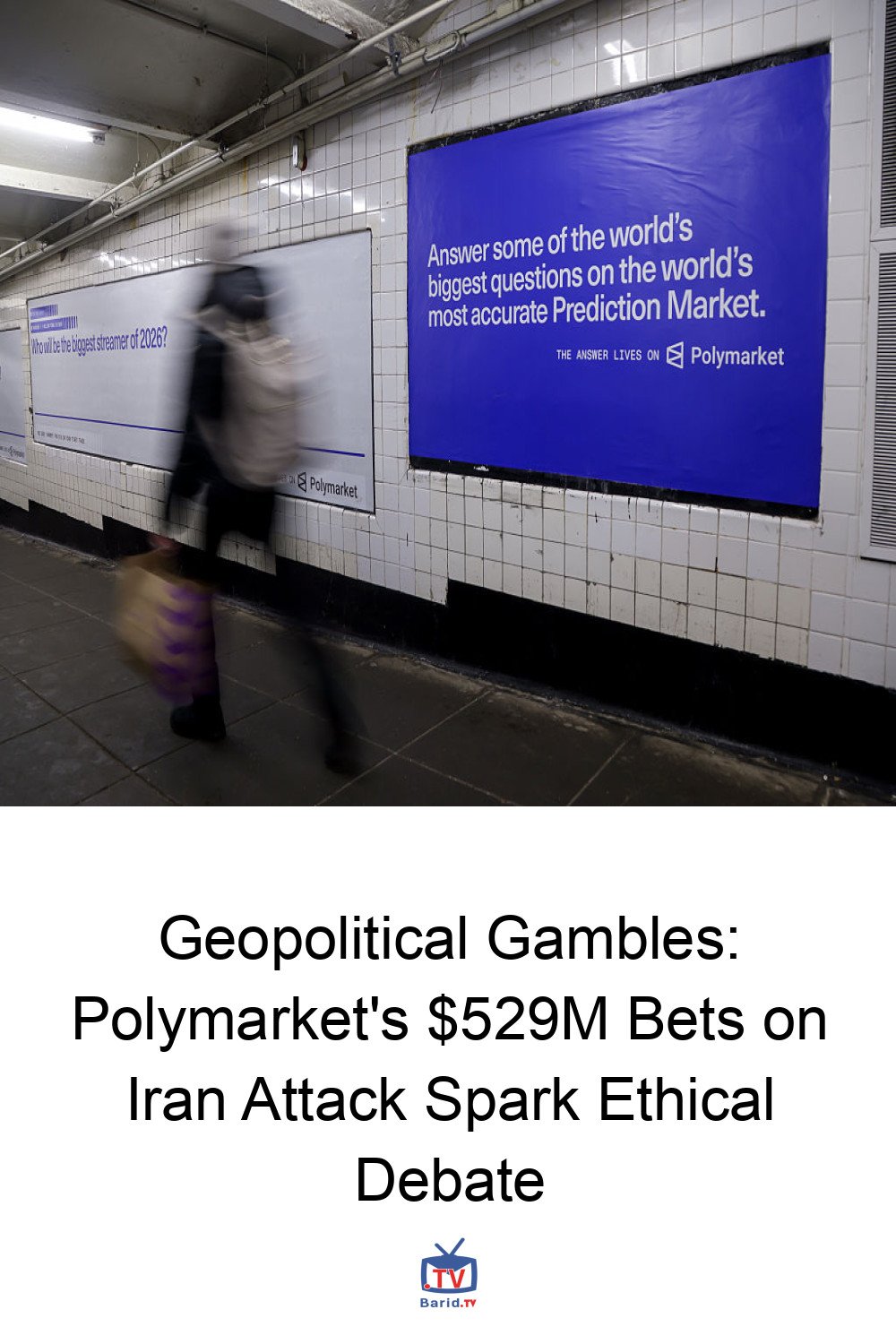
The world of prediction markets, where users wager on future events, has recently been thrust into the spotlight following a staggering half-billion-dollar trading volume on Polymarket tied to a potential U.S. and Israeli military strike on Iran. This unprecedented activity has not only highlighted the immense financial stakes involved but also ignited a fierce debate over the ethical boundaries of such platforms, especially when geopolitical tensions are at their peak.
A Half-Billion Dollar Bet on Conflict
According to Bloomberg, Polymarket, a decentralized prediction market platform, witnessed an astonishing $529 million traded on contracts speculating on the timing of a military attack on Iran. This massive influx of capital underscores a growing trend where individuals are increasingly using these platforms to financialize global events, no matter how sensitive or potentially catastrophic.
Whispers of Insider Trading
The sheer volume of these bets has raised eyebrows, particularly after an analysis by analytics firm Bubblemaps SA uncovered suspicious activity. Six newly-created accounts reportedly profited a combined $1 million by accurately predicting a U.S. strike on Iran by February 28. This precise timing and the sudden emergence of these accounts have led to concerns about potential insider trading.
Nicolas Vaiman, CEO of Bubblemaps SA, articulated these worries, suggesting that the circulation of sensitive information “involving war or conflict,” combined with the inherent anonymity offered by platforms like Polymarket, “can create incentives for informed participants to act early.” The implication is clear: could individuals with privileged knowledge be leveraging these markets for personal gain, turning human suffering into a commodity?
The Ethical Minefield of Prediction Markets
The controversy extends beyond the Iran bets. Earlier this year, Polysights, another analytics firm, observed a significant surge in wagers concerning the likelihood of Iran’s now-deceased Supreme Leader Ali Khamenei vacating his role by the end of March. Such markets inevitably provoke a crucial ethical question: do they inadvertently create a financial incentive for undesirable outcomes, including assassination?
Kalshi, another prominent prediction market platform, has taken a firm stance on this issue. CEO Tarek Mansour emphasized, “We don’t list markets directly tied to death. When there are markets where potential outcomes involve death, we design the rules to prevent people from profiting from death.” Kalshi even committed to reimbursing all fees from such ethically ambiguous bets, attempting to distance itself from the more controversial aspects of the industry.
The burgeoning prediction market industry, while offering a unique lens into collective foresight and information aggregation, faces a critical juncture. As the stakes grow — both financially and ethically — platforms like Polymarket and Kalshi must navigate the treacherous waters of global events, balancing open speculation with the profound moral implications of profiting from potential conflict and human tragedy. The recent Iran bets serve as a stark reminder of the urgent need for robust ethical frameworks and transparency in this rapidly evolving financial frontier.
For more details, visit our website.
Source: Link