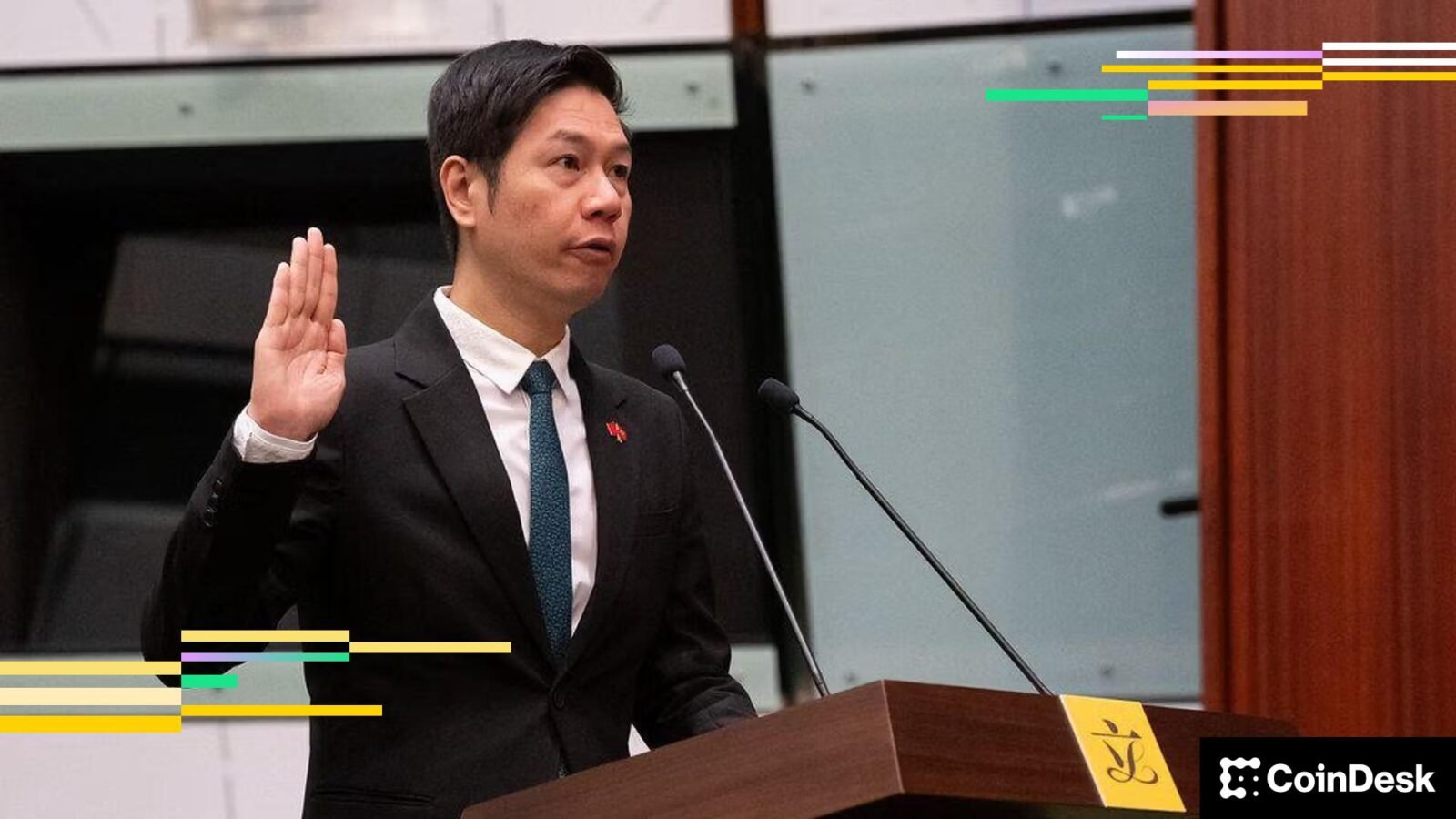

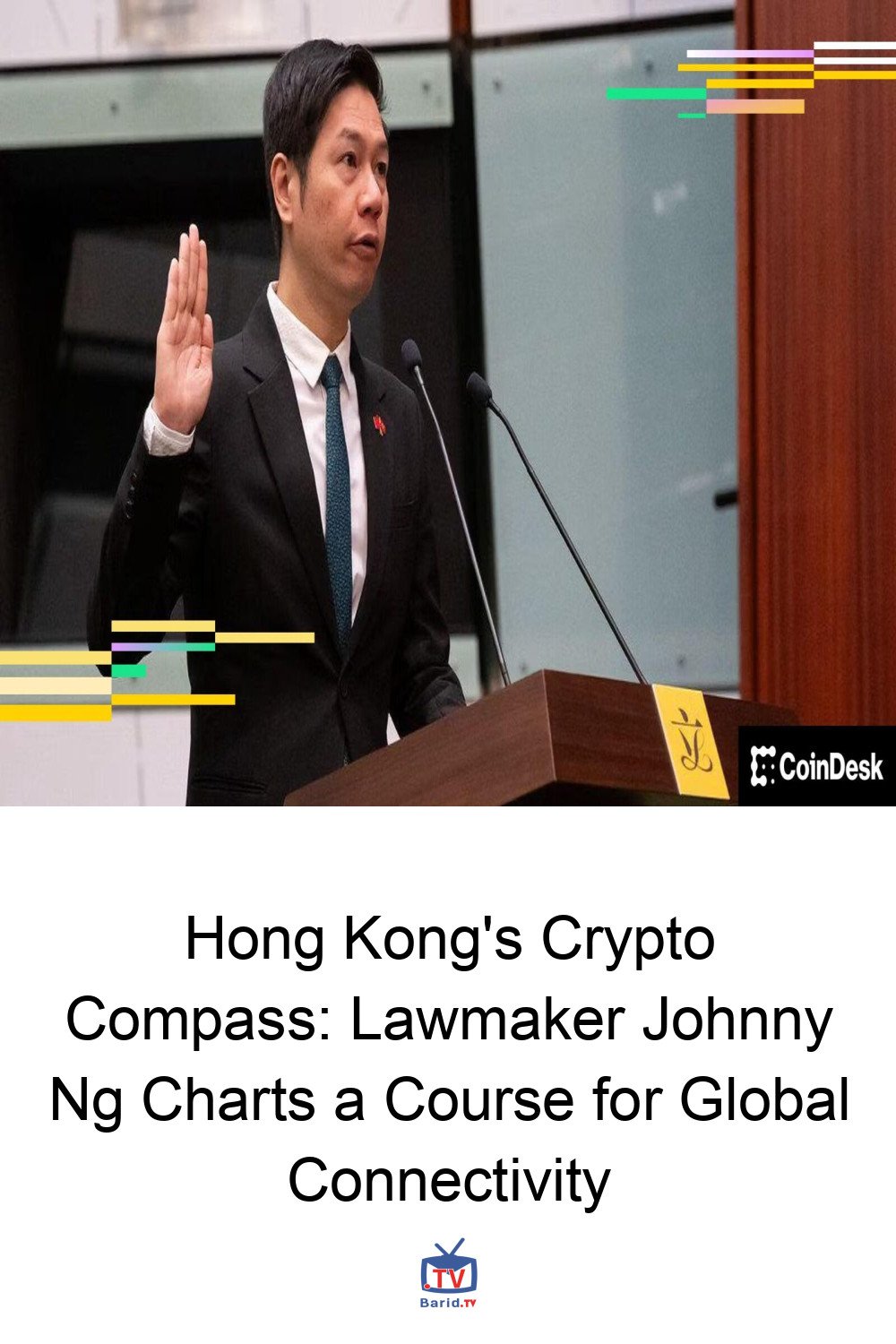
In an increasingly fragmented global landscape for digital assets, Hong Kong is carving out a distinctive role: that of a crucial connector. At the forefront of this ambitious vision is Johnny Ng, a prominent Hong Kong lawmaker and fervent advocate for Web3. Unlike many who view the crypto space through a lens of zero-sum competition, Ng champions a philosophy of integration, aiming to build vital bridges between disparate markets, technologies, and regulatory frameworks worldwide.
Hong Kong’s Unique Proposition in the Digital Asset Realm
Representing the technology sector within Hong Kong’s Legislative Council, Ng has rapidly emerged as one of the city’s most influential voices in the Web3 and digital asset arena. Over the past two years, his efforts have been instrumental in shaping Hong Kong’s progressive stance, from advancing stablecoin legislation to supporting robust crypto exchange licensing. This proactive approach has positioned Hong Kong as an early mover in the realm of regulated crypto finance.
However, Ng’s ambition extends beyond mere regulation; it’s fundamentally structural. He envisions Hong Kong not as a battleground, but as a vital conduit – connecting East with West, and traditional finance with the burgeoning world of crypto-native innovation. “Crypto and Web3 are really highly linked with the traditional financial system,” Ng articulated in a recent interview, underscoring the symbiotic relationship he believes is essential for the industry’s maturation.
Leveraging Foundational Strengths
Hong Kong’s strategic advantage, according to Ng, is rooted in its established pillars: a transparent common law legal system, English language courts, unrestricted capital flows, and a formidable concentration of global financial institutions, asset managers, legal experts, and auditors. “Hong Kong is one of the largest international finance centers,” he asserts, arguing that this robust foundation is perfectly suited to cultivate a crypto hub that is “safe, secure and moving along the way.”
The Greater Bay Area: A Powerful Synergy
This unique positioning gains even greater potency when viewed in conjunction with the Greater Bay Area (GBA) initiative. This ambitious government project seeks to enhance trade and collaboration between Hong Kong, Shenzhen, and Macau. While Shenzhen is globally renowned as a manufacturing powerhouse, Ng emphasizes that Hong Kong’s role isn’t to replicate this engineering prowess, but to seamlessly connect with it.
Hong Kong contributes its sophisticated common law framework and open capital markets, while mainland cities like Shenzhen and Guangzhou offer unparalleled scale, manufacturing depth, and a vibrant, technically proficient young workforce. “In Shenzhen, the average age of the people is really young, under 30,” Ng notes, painting a picture of a city brimming with engineers and technologists capable of transforming innovative ideas into tangible products. “Hong Kong can be a bridge,” he explains, facilitating the flow of capital, legal structures, and global market access to unlock mainland innovation. “We can think something, and then we realize something by their human capital.”
A History of Digital Experimentation
Ng even draws upon crypto history to bolster his argument, recalling that Ethereum founder Vitalik Buterin frequently visited Zhuhai, Shenzhen, and Hong Kong during the blockchain’s formative years. This region, Ng contends, has long been a fertile ground for protocol-level experimentation. What Hong Kong now adds to this legacy is crucial regulatory clarity and undeniable financial credibility.
Beyond Competition: A Unified Global Vision
This bridge-building ethos extends to Ng’s global perspective. In 2023, amidst a period of heightened enforcement actions against crypto firms by U.S. regulators, Ng garnered international attention by publicly inviting exchanges like Coinbase to consider Hong Kong. While initially perceived as a competitive maneuver, Ng reframes it today.
“I’m not going to see the competition with any countries,” he states unequivocally. “Crypto cannot be easily divided by country or economy. It is one world.”
Instead of fostering rivalry, Ng advocates for greater regulatory coordination and predictability across jurisdictions. “I want the Hong Kong government to make more connections with different jurisdictions, the governing bodies together,” he urges, highlighting the critical need for clearer, harmonized standards that will enable crypto to integrate more directly with real-world economic activities.
The Road Ahead: Building the Digital Infrastructure
As the Legislative Council of Hong Kong commences its new session, Ng’s focus shifts to the foundational “plumbing” of the digital asset ecosystem. This next phase will undoubtedly involve crucial developments in areas such as custody and other essential infrastructure, further solidifying Hong Kong’s role as a global connector in the evolving world of Web3.
For more details, visit our website.
Source: Link