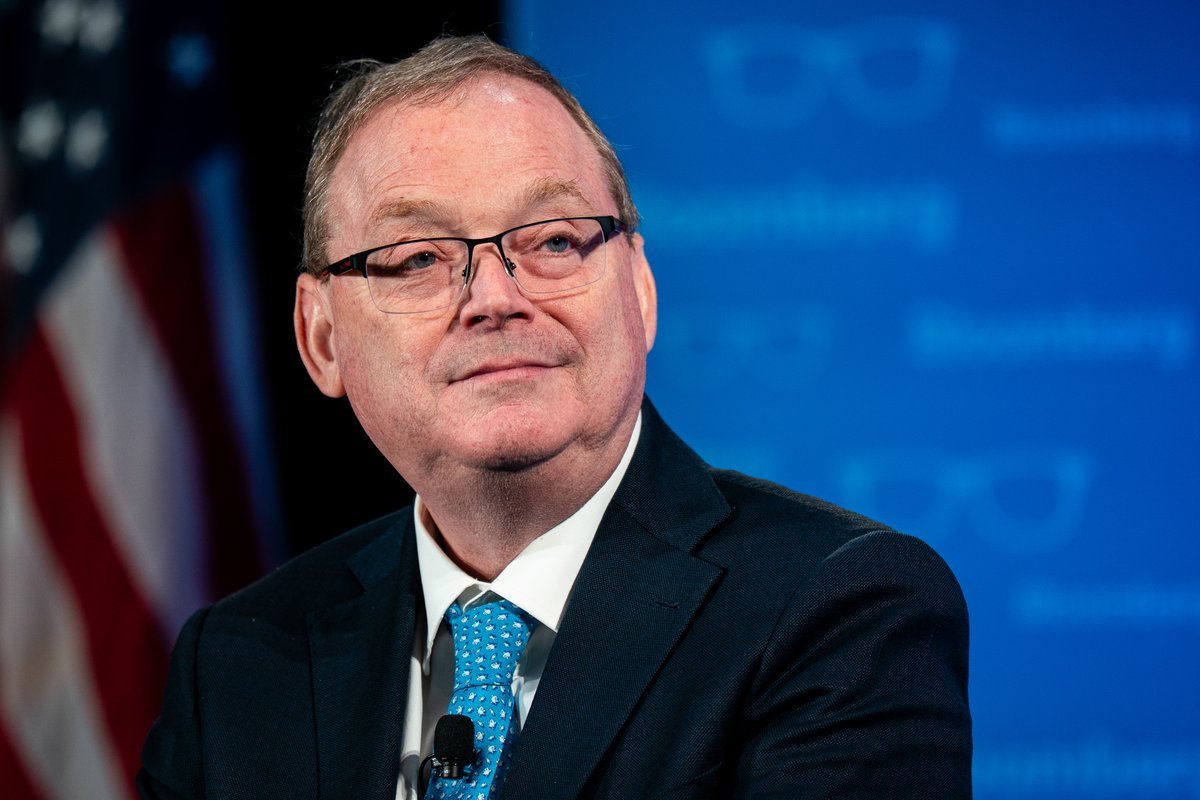

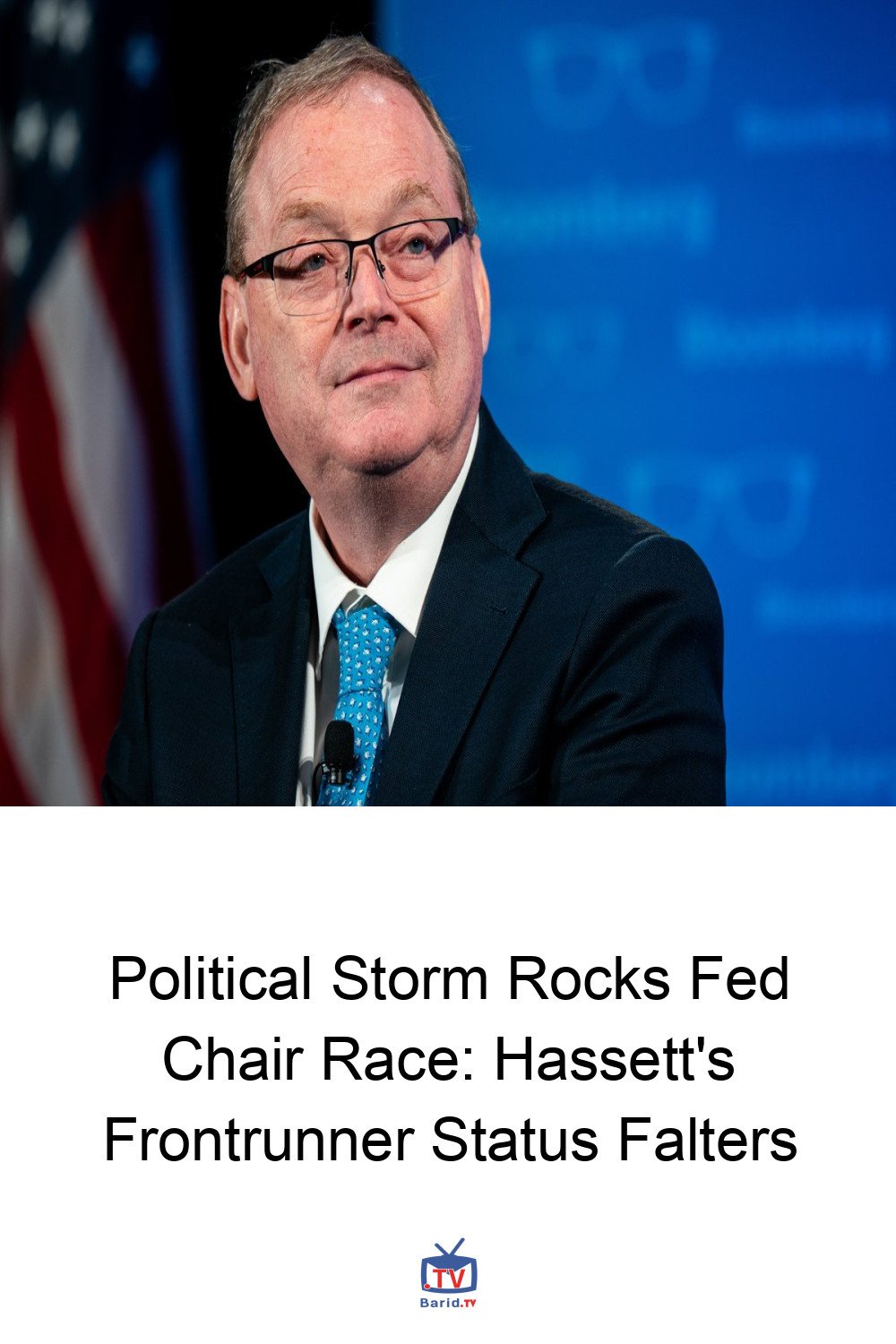
The high-stakes race to lead the Federal Reserve has taken an unexpected and dramatic turn, as President Trump’s top economic advisor, Kevin Hassett, sees his frontrunner status diminish amidst a politically charged criminal investigation into current Fed Chair Jerome Powell. What began as a seemingly clear path for Hassett has become a complex political and economic chess match, with new contenders emerging and the very independence of the central bank under scrutiny.
The Shifting Sands of the Fed Chair Race
For months, Kevin Hassett, the astute director of the National Economic Council, was widely considered the heir apparent to Jerome Powell, whose term as Federal Reserve chair concludes in May. Hassett’s strong rapport with GOP senators and his consistent defense of the Trump administration’s economic policies positioned him favorably. However, the landscape dramatically shifted when the Trump Department of Justice launched a criminal probe into Powell, sparking a firestorm of criticism across Congress and Wall Street, even from within Republican ranks.
A Probe That Rocked the Establishment
The DOJ’s investigation into Chair Powell sent shockwaves far beyond Washington. It prompted an unprecedented show of solidarity from central bankers across the UK, Canada, and Europe, who publicly defended Powell. Even his predecessors at the Federal Reserve rallied behind him, underscoring the gravity of the situation and the perceived threat to the Fed’s crucial independence from political interference.
This controversial probe has inadvertently complicated Hassett’s prospects. While Trump has publicly expressed a desire to keep Hassett in his current role, citing his effectiveness as an economic lieutenant, the political fallout from the Powell investigation has raised questions among analysts. The concern is whether Hassett, if appointed, could truly distance himself from the White House, especially given his past criticisms of the Fed’s interest rate policies, which align closely with the President’s views.
Kevin Warsh Emerges as a Strong Contender
As Hassett’s position weakens, the stock of former Fed Governor Kevin Warsh is reportedly on the rise. Warsh, known for his hawkish stance on inflation throughout his career, is now being viewed with renewed interest. “Crushing Hassett only helps Warsh,” noted Neal Dutta, head of economics at Renaissance Macro Research. Dutta highlighted Warsh’s consistent aversion to inflation, even when it runs below the Fed’s target, suggesting his appointment would present an “interesting choice” given President Trump’s often dovish policy preferences regarding interest rates.
The field of potential successors remains robust, including current Fed Governor Christopher Waller and Blackrock executive Rick Rieder, but the dynamic between Hassett and Warsh has become particularly salient in the wake of recent events.
Trump’s Relentless Criticism and Congressional Roadblock
President Trump’s frustration with Jerome Powell’s monetary policy has been a recurring theme throughout 2025, with the President frequently lambasting the Fed for not cutting interest rates more aggressively to stimulate economic growth. Powell, in a rare public video statement following the investigation’s revelation, asserted that the probe was politically motivated, further escalating tensions.
Adding another layer of complexity, Senator Thom Tillis of North Carolina has vowed to block any nominee to the Fed in the Senate Banking panel until the DOJ investigation into Powell is fully resolved. This congressional roadblock introduces significant uncertainty into the timeline for appointing a new Fed chair, potentially scrambling the administration’s plans to name a replacement by month’s end. Tillis’s stance underscores the deep concerns within Congress regarding the politicization of the Federal Reserve and its implications for economic stability.
The unfolding drama surrounding the Federal Reserve chairmanship is more than just a personnel decision; it’s a critical test of institutional independence and the delicate balance between political influence and economic stewardship. As the political winds shift, the future leadership of the world’s most powerful central bank remains shrouded in uncertainty.
For more details, visit our website.
Source: Link