Geopolitical Turbulence: Iran’s Airspace Shutdown Rattles Global Aviation
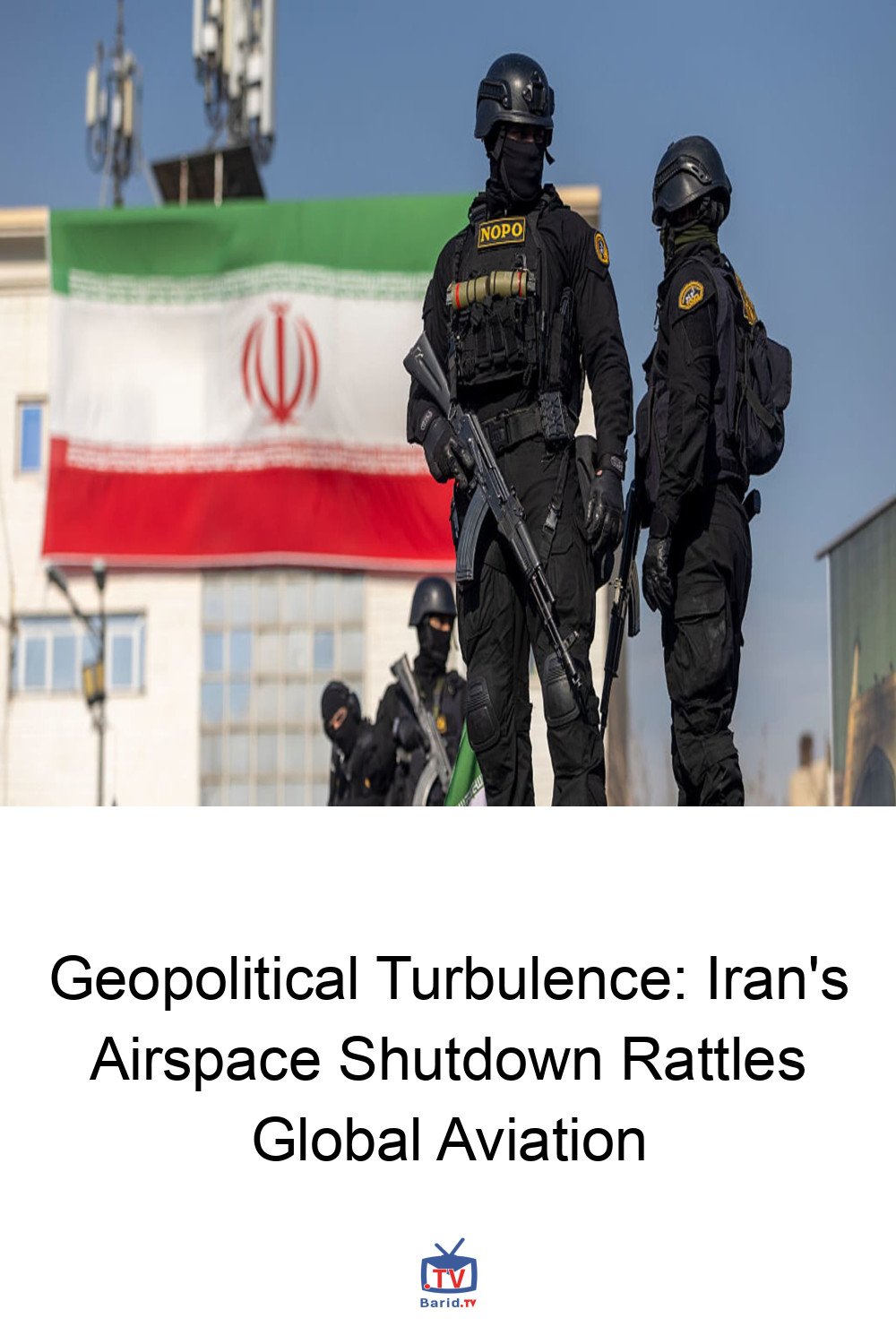
In a move that sent ripples of concern across the international aviation industry, Iran briefly closed a significant portion of its airspace early Thursday, grounding most incoming and outgoing flights. The hours-long shutdown, which came amidst heightened regional tensions with the United States, underscored the volatile geopolitical landscape and prompted immediate diversions for numerous global carriers.
A Sky on Edge: The Brief Closure and Its Aftermath
The temporary restriction, which lasted for five hours and concluded at 3:30 a.m. UTC (10:30 p.m. EST Wednesday), saw Iranian skies largely deserted. Live flight data from FlightRadar24 vividly illustrated the widespread diversions, with most aircraft opting to skirt Iranian airspace even after the reopening. While some domestic flights gradually resumed, the initial order had notably exempted international flights to and from Tehran, provided they secured prior approval from Iran’s civil aviation authority.
Escalating Tensions: US-Iran Standoff
The airspace closure was a direct consequence of escalating tensions between Tehran and Washington. U.S. President Donald Trump had previously threatened intervention following a severe crackdown on anti-government protests in Iran, publicly stating his intent to ‘come to the rescue’ of Iranian protestors. This rhetoric was accompanied by the relocation of U.S. personnel and equipment from American military bases in the Middle East, a precautionary measure against potential Iranian retaliatory strikes should Washington launch an attack.
However, President Trump later appeared to temper his stance. Speaking from the White House, he indicated assurances that the killings of protestors had ceased, stating he would ‘watch it and see’ regarding any future U.S. military action.
Global Aviation’s Cautionary Stance
The uncertainty surrounding Iran’s security situation has compelled a cautious response from the global aviation sector. Several major airlines have either canceled or rerouted flights to Tehran in recent days. India’s largest carrier, IndiGo, confirmed impacts on its international services. Germany had already issued warnings to its airlines, and the Lufthansa Group, in a statement to CNBC, announced it would bypass Iranian and Iraqi airspace indefinitely, leading to further flight cancellations. The U.S. had previously prohibited all American commercial flights from overflying Iran. Other prominent carriers, including Emirates, Qatar Airways, and Turkish Airlines, have also adjusted their schedules, canceling multiple flights to Iran over the past week.
Unrest Within: The Roots of Iranian Protests
Beyond the international standoff, Iran continues to grapple with significant internal unrest. Protests initially erupted late last year following a dramatic plunge in the national currency, the rial, which exacerbated an already severe cost-of-living crisis. These economic grievances quickly evolved into a broader movement challenging the government’s theocratic rule. The U.S.-based HRANA rights group reports that the brutal clashes between protestors and security forces have tragically resulted in at least 2,571 fatalities, painting a grim picture of the domestic struggle for change within the nation.
As Iran navigates a complex web of internal dissent and external pressures, the brief airspace shutdown serves as a stark reminder of the delicate balance of power and the far-reaching implications of geopolitical instability on global operations, particularly in the sensitive realm of international travel.
For more details, visit our website.
Source: Link