




The Smart Ring Showdown: Patent Battles, Bans, and the Future of Wearable Tech
The burgeoning smart ring market, once a landscape of rapid innovation, has recently been overshadowed by a dramatic legal battle. If you’ve been tracking the industry’s developments, you’ll know that the number of health-tracking smart rings available in the US has notably diminished since October 21, 2025. This shift stems from a pivotal ruling by the US International Trade Commission (ITC), which sided with Oura in a significant patent infringement case.
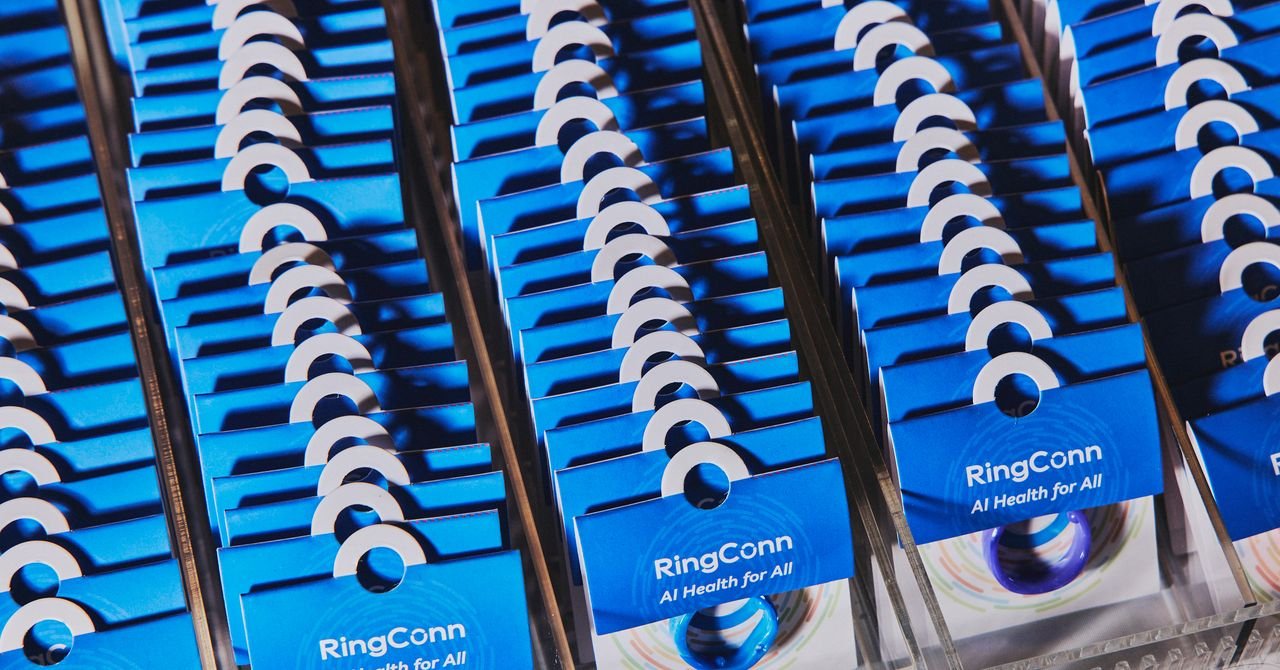
As previously reported, Oura successfully argued that competitors RingConn and Ultrahuman had infringed upon its patent for a smart ring designed to track health and fitness metrics. This victory for Oura led to a ban on the importation of new rings from both RingConn and Ultrahuman into the United States, sending ripples through the wearable technology sector.
Oura’s Patent Power Play: A Broad Reach
The ITC’s ruling specifically cited infringement of the ‘178 patent, which protects a particular smart ring hardware design. This design involves a layered arrangement with internal and external components housing electrical elements. Critics and industry observers alike have noted the surprisingly broad nature of this patent, suggesting it could encompass a wide array of smart rings and even other electronic devices.
Indeed, this broad interpretation has fueled a series of legal skirmishes over the past few years. In 2024, Oura reached a multi-year licensing agreement with French manufacturer Circular, allowing them to continue selling rings in the US. However, this move seemed less a gesture of goodwill and more a strategic maneuver, especially considering reports of server and connection issues plaguing the Circular Ring 2 during testing periods.
The legal landscape further intensified when Samsung attempted to preemptively sue Oura in 2024 to guard against future patent infringement claims, a case ultimately dismissed by a judge. Samsung’s concerns proved prescient: in late 2025, Oura filed another complaint, this time targeting major players including Samsung (for the Galaxy Ring), Reebok (the Reebok smart ring), Zepp Health (Amazfit ring), and Nexxbase (the Luna Ring). Amidst these actions, Oura also secured licensing agreements with RingConn and Omate, enabling these companies to continue their US sales.
Beyond the courtroom, Oura has been busy expanding its own footprint. Late last year, the company unveiled a new ceramic ring collection and a dedicated charging case. Furthermore, Oura announced plans to establish a manufacturing facility in Texas, primarily to support its largest enterprise client: the US Department of Defense.
Ultrahuman’s Resilience: Innovating Beyond the Ban
While Oura’s rings, particularly the Oura Ring 4, remain highly regarded by experts (including our own here at WIRED), the focus now shifts to the future of its competitors. The import ban presented significant challenges, especially for Ultrahuman, which had plans to expand its US manufacturing facility to meet growing demand and circumvent new tariffs. Ultrahuman notably differentiates itself from Oura by offering a subscription-free experience, a stark contrast to Oura’s $6 monthly fee.
We recently connected with Bhuvan Srinivasan, Ultrahuman’s chief business officer, to understand their strategy moving forward. Srinivasan, with a background in biomedical engineering and experience at health tech firm Medtronic, emphasized the critical role of intellectual property. However, he stressed that in a rapidly evolving sector, “the pace of progress is so high that ultimately it will be innovation, and how quickly you can put out new features and new technology, [that determines success].”
The smart ring industry is evolving at such a pace that the current import ban could, paradoxically, become obsolete. The most effective way to circumvent a patent on an existing design is simply to innovate a new one. Alison Deasy, Oura’s director of communications, acknowledged this dynamic, stating, “While patent 178 is a foundational smart ring form-factor patent that has helped define the category, it’s just one of many in our broader patent portfolio with much more innovation in the smart ring space in front of us.” She affirmed Oura’s commitment to leading this innovation through significant R&D investment.
For current Ultrahuman users in the US, Srinivasan confirmed that their rings will continue to receive subscription-free insights through the app. Crucially, the ITC’s jurisdiction does not extend to software, allowing Ultrahuman to continue pushing new services and features to its app. This includes innovations like Blood Vision, Ultrahuman’s answer to direct-access blood testing services offered by Oura and Whoop. This week at CES, Ultrahuman announced further advancements in its health-tracking ecosystem, underscoring its commitment to innovation beyond hardware.
For more details, visit our website.
Source: Link







Comments are closed.