
The Arctic Prize: Unpacking Trump’s Greenland Ambition and its Geopolitical Stakes
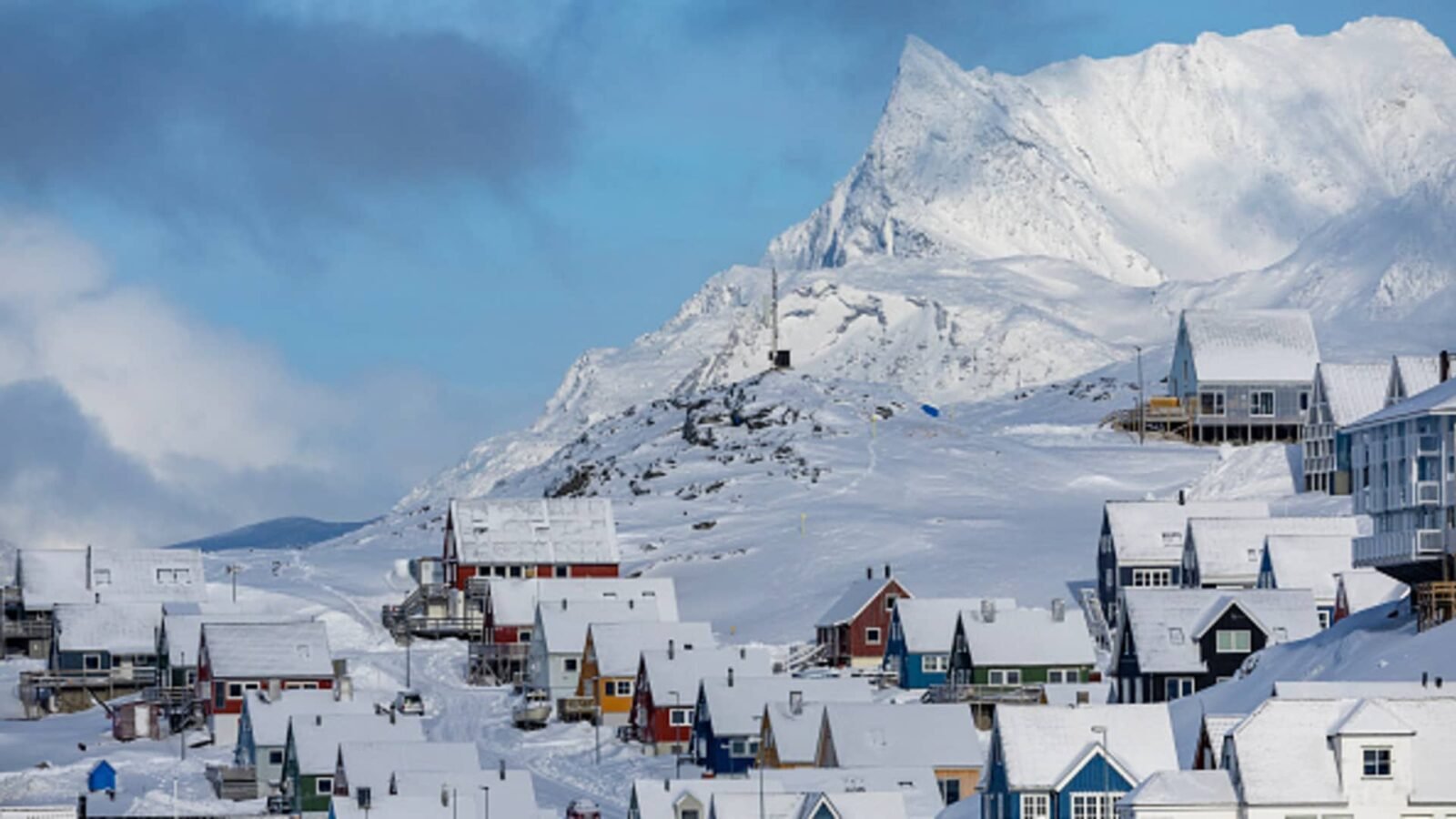
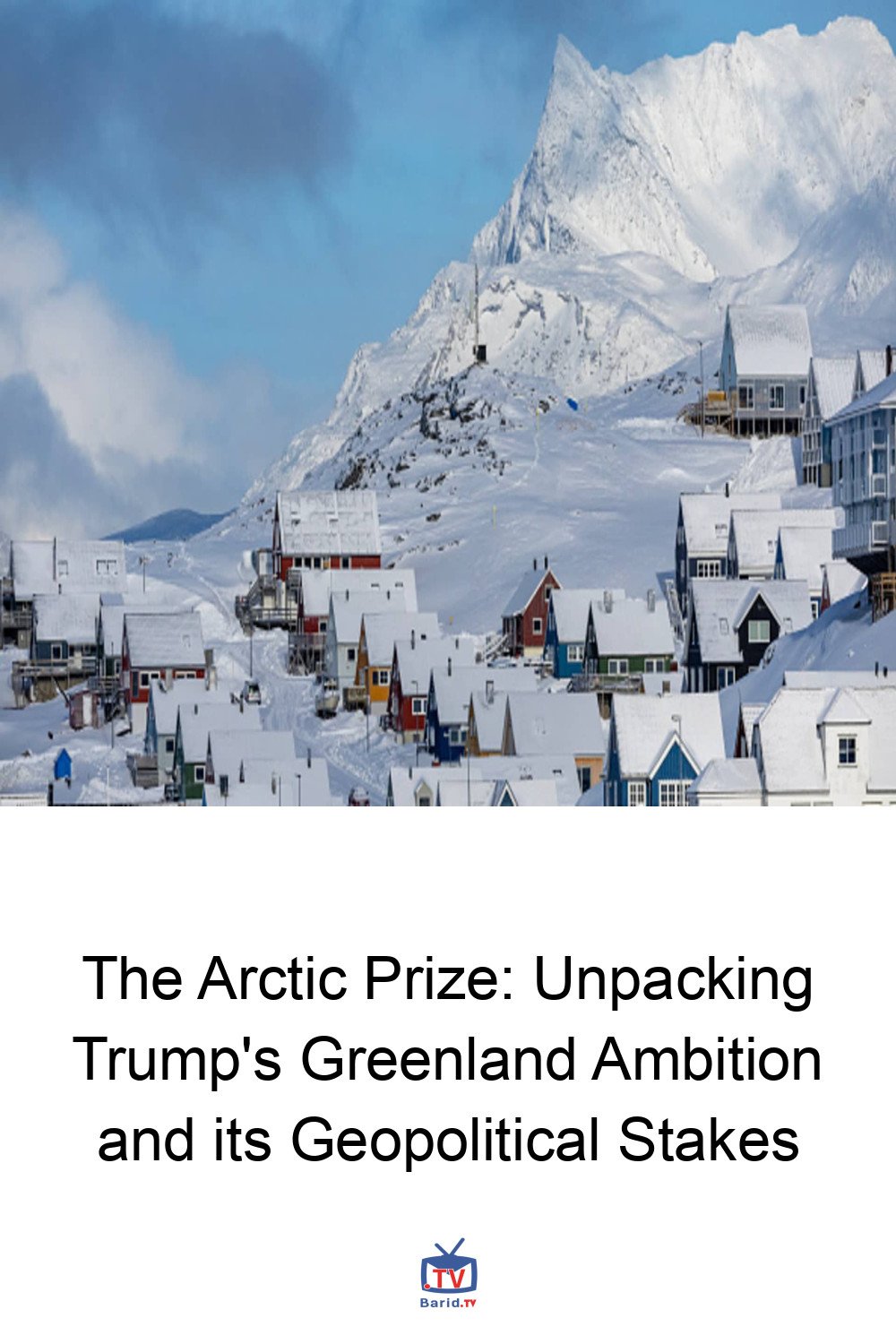
Greenland, a vast, ice-covered expanse of self-governing Danish territory, has once again found itself at the epicenter of global geopolitical intrigue. The reason? Former U.S. President Donald Trump’s persistent and vocal interest in acquiring the island, citing its critical importance for national security. His audacious pronouncements, including the consideration of military force, have sent ripples across international diplomacy, particularly alarming European allies like Denmark.
Trump’s fixation on Greenland, which he famously declared “so strategic,” stems from a complex interplay of factors: its pivotal geographic location, its untapped wealth of natural resources, and its role in the evolving landscape of Arctic security. His claims of increased Russian and Chinese presence in the region only underscore the urgency he perceives in securing the territory for the United States.
Greenland’s Strategic Allure: More Than Just Ice
A Geopolitical Chessboard: Location, Location, Location
Nestled between the Arctic and North Atlantic Oceans, Greenland holds an unparalleled strategic position. It serves as a crucial link in the so-called GIUK gap (Greenland, Iceland, U.K.), a vital naval choke point that connects the Arctic to the Atlantic. Historically, this gap has been instrumental in monitoring Russian submarine movements, a role that remains critical today.
Moreover, as climate change accelerates the melting of Arctic ice, new shipping routes are emerging. These routes, including the Northwest Passage and the Transpolar Sea Route, promise to drastically reduce travel times between Asia and Europe, offering a compelling alternative to the Suez Canal. Control over Greenland could grant significant influence over these burgeoning commercial arteries, adding another layer to its national security value.
The Untapped Treasure Trove: Resources Beneath the Ice
Beyond its strategic geography, Greenland is a geological marvel, boasting an abundance of untapped raw materials. Beneath its icy surface lie significant reserves of oil and gas, alongside critical mineral deposits and a veritable treasure trove of rare earth elements. These rare earths and critical minerals are indispensable components in modern technologies, powering everything from wind turbines and electric vehicles to advanced energy storage systems and sophisticated national security applications.
The global scramble for these resources, particularly given China’s near-monopoly on rare earths, makes Greenland an incredibly valuable asset. As political risk consultant Clayton Allen aptly put it, “Greenland is sitting on some of the most valuable real estate in terms of economic advantage and strategic defense for the next three to five decades.”
The American Footprint: A History of Presence
The U.S. already maintains a significant, albeit reduced, presence in Greenland. The Pituffik Space Base, formerly Thule Air Base, located in the northwest, has been a cornerstone of American defense strategy since the Cold War. It serves as an early warning air base, strategically positioned along the shortest route for a Russian ballistic missile to reach the continental United States via the North Pole.
With an active airfield and the world’s northernmost deep-water port, Pituffik remains pivotal for monitoring Arctic activity. Analysts also suggest Greenland could serve as a vital staging ground for an expanded U.S. defensive presence, potentially hosting missile interceptors as part of initiatives like the Trump administration’s envisioned “Golden Dome” missile defense system.
Geopolitical Ripples: Denmark, NATO, and Local Sentiment
Trump’s overtures have naturally ignited strong reactions. Denmark has unequivocally rejected the notion of a sale or annexation, warning that such a move could jeopardize the very foundation of the NATO military alliance. The White House’s subsequent rhetoric, hinting at military options, only escalated transatlantic tensions.
Crucially, the people of Greenland themselves have a voice. Opinion polls consistently show overwhelming opposition to U.S. control, with a strong majority favoring complete independence from Denmark. Any future for Greenland, whether as an independent nation or within its current framework, will undoubtedly be shaped by the will of its nearly 57,000 inhabitants.
Conclusion
Greenland stands as a microcosm of 21st-century geopolitics: a land of immense strategic value, coveted for its resources and location, caught between great power ambitions and the aspirations of its own people. Trump’s persistent interest has merely brought into sharp focus the complex interplay of national security, economic potential, and international relations that define this unique Arctic territory.
For more details, visit our website.
Source: Link