
Michael Burry’s Long-Term Vision: A Bet on Venezuelan Oil
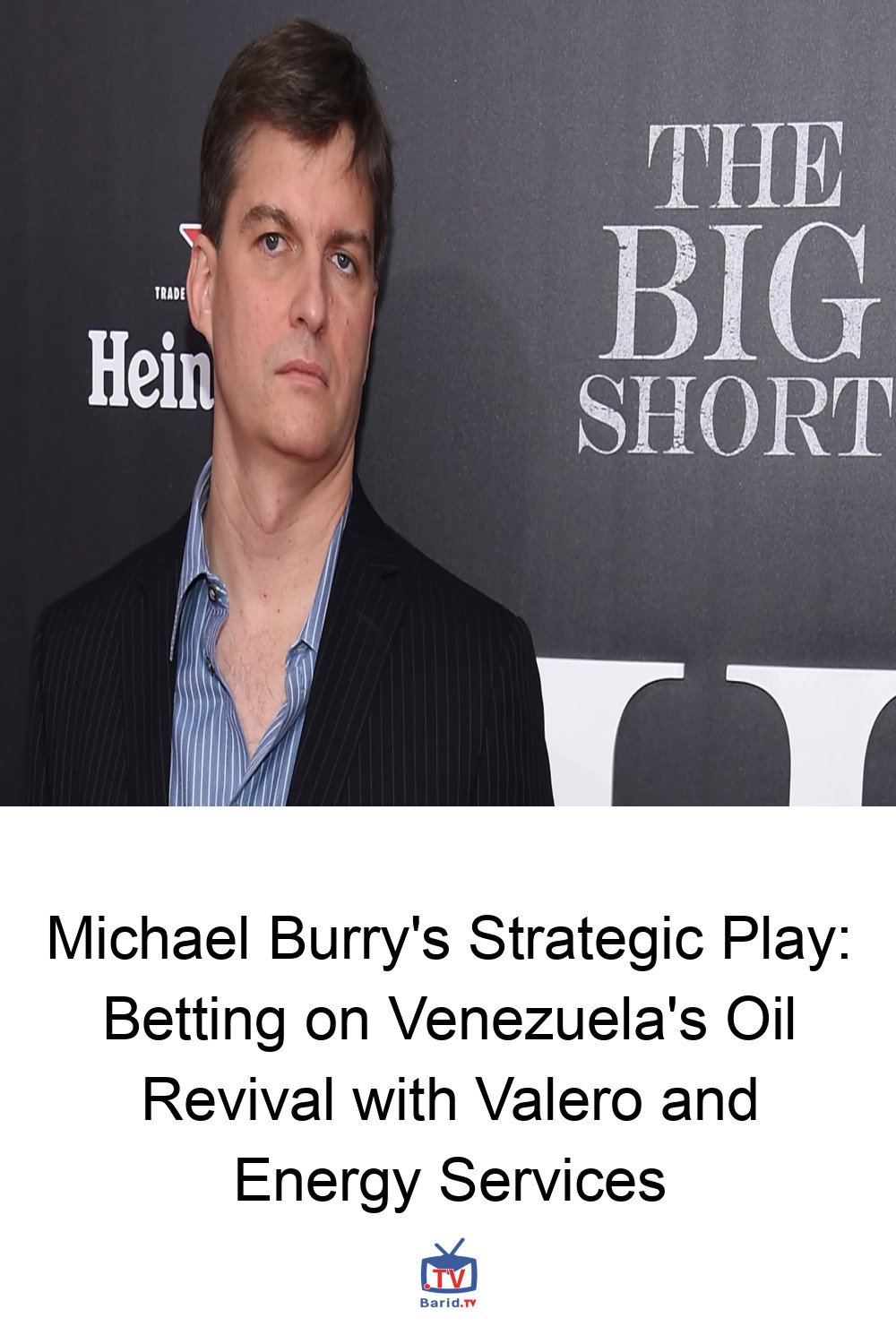
Michael Burry, the enigmatic investor immortalized in “The Big Short” for his prescient bet against the housing market, is once again drawing attention with a long-held, strategic position. Burry has revealed he has owned Valero Energy since 2020, a stake he views as increasingly attractive as the United States signals a deeper role in reviving Venezuela’s vast, yet dilapidated, oil industry.
His insights, shared in a recent blog post, underscore a nuanced understanding of global energy dynamics and geopolitical shifts. “Realize that many Gulf Coast refineries were purpose-built for Venezuelan heavy crude,” Burry wrote. “So they have been running with suboptimal feedstock for years. This will, in time, produce better margins across jet fuel, asphalt, and diesel… I have owned Valero since 2020, and I am more resolved to holding it even longer after this weekend.”
Geopolitical Shifts and the Crude Awakening
Burry’s comments arrive amidst a significant shift in U.S. foreign policy, following former President Donald Trump’s call for American oil companies to invest in Venezuela after the potential overthrow of President Nicolás Maduro. Venezuela, a founding member of OPEC, boasts the world’s largest proven crude oil reserves. However, its oil is notoriously heavy and sulfur-laden, requiring specialized refining capabilities that only a limited number of facilities possess globally.
Valero’s Advantage: Processing Heavy Crude
Valero Energy stands out in this scenario due to its advanced infrastructure capable of efficiently processing such challenging crude. While Valero is a prime beneficiary, Burry also noted that smaller refiners like PBF Energy and HF Sinclair could see benefits, even if the influx of Venezuelan oil is gradual. Wall Street analysts largely concur, highlighting Valero as a key player poised to gain significantly from increased Venezuelan supply. This sentiment was reflected in a roughly 10% jump in the refiner’s shares recently.
Beyond Refining: The Infrastructure Rehabilitation Opportunity
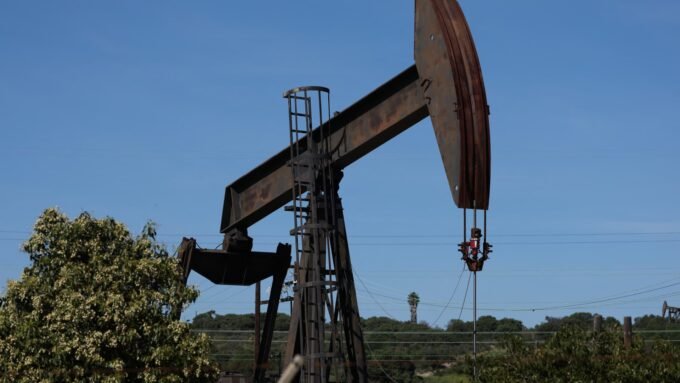
The opportunity, however, extends far beyond just refining. Decades of underinvestment and political turmoil have left Venezuela’s oil infrastructure in severe disrepair. This creates a massive potential demand for U.S. oilfield services companies, should a large-scale rehabilitation effort commence.
Burry, ever the contrarian, has positioned himself to capitalize on this as well. He disclosed ownership in Halliburton and sees significant upside for industry giants like Schlumberger and Baker Hughes, which could be instrumental in rebuilding pipelines, refineries, and other critical energy infrastructure.
“Venezuelan pipelines and refineries are old and in disrepair. This work will go to U.S. contractors,” he asserted. “Chevron is already there. Exxon and others have been litigating claims for decades and may see some justice relatively soon, if the US literally begins to run Venezuela as some have suggested. I own Halliburton, and may buy more shares or LEAPs.” LEAPs, or long-term equity anticipation securities, are options contracts with extended expiration dates, often exceeding one year, reflecting Burry’s long-term conviction.
A Calculated Bet on a Complex Future
Burry’s strategic investments underscore a calculated bet on a complex interplay of geopolitics, energy economics, and industrial capabilities. As the U.S. potentially re-engages with Venezuela’s vast oil resources, Burry’s long-term positions in companies like Valero and Halliburton could prove to be yet another testament to his uncanny ability to foresee and profit from major market shifts.
For more details, visit our website.
Source: Link