
Trump Signs AI Executive Order, Pushing to Ban State Laws
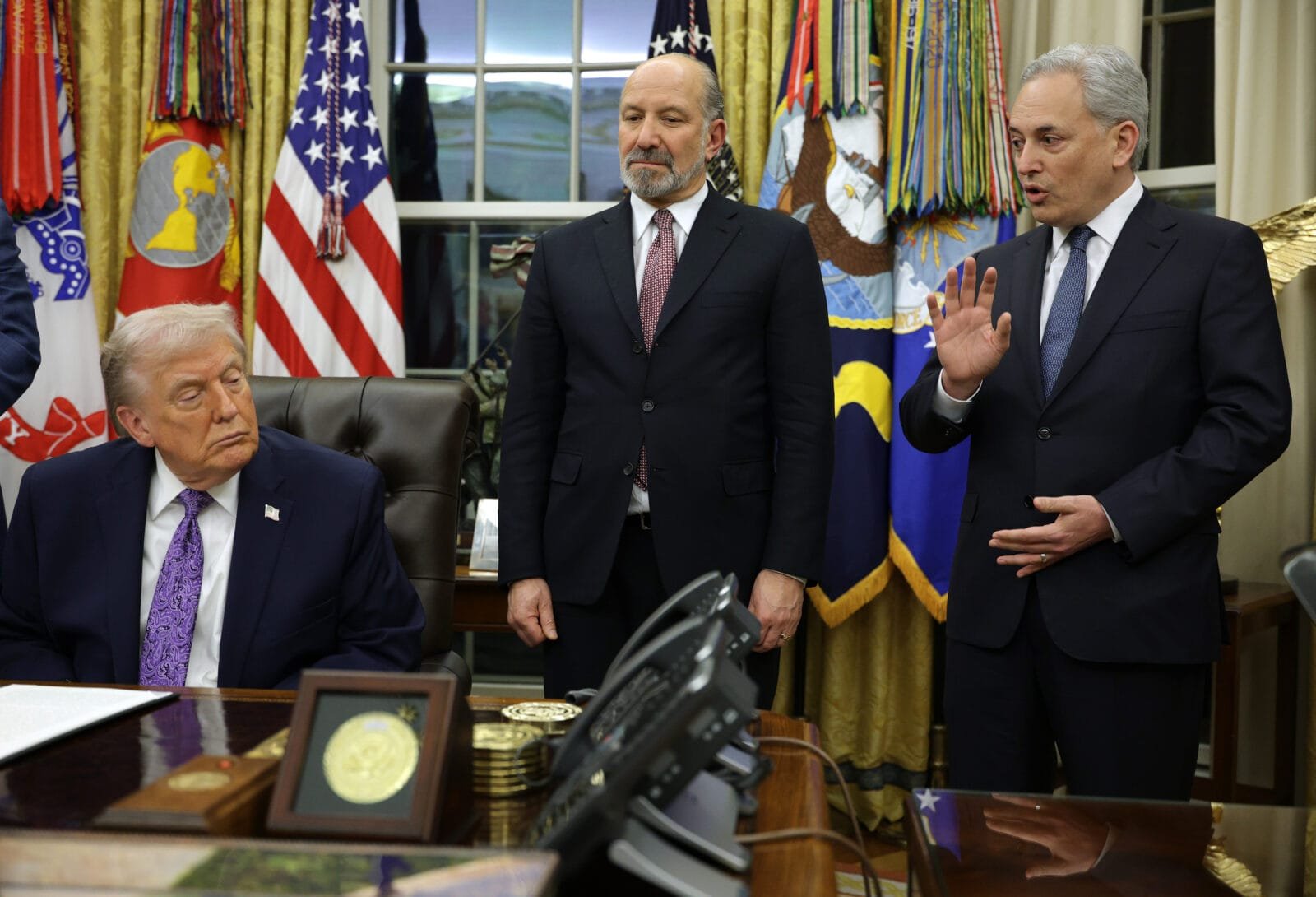
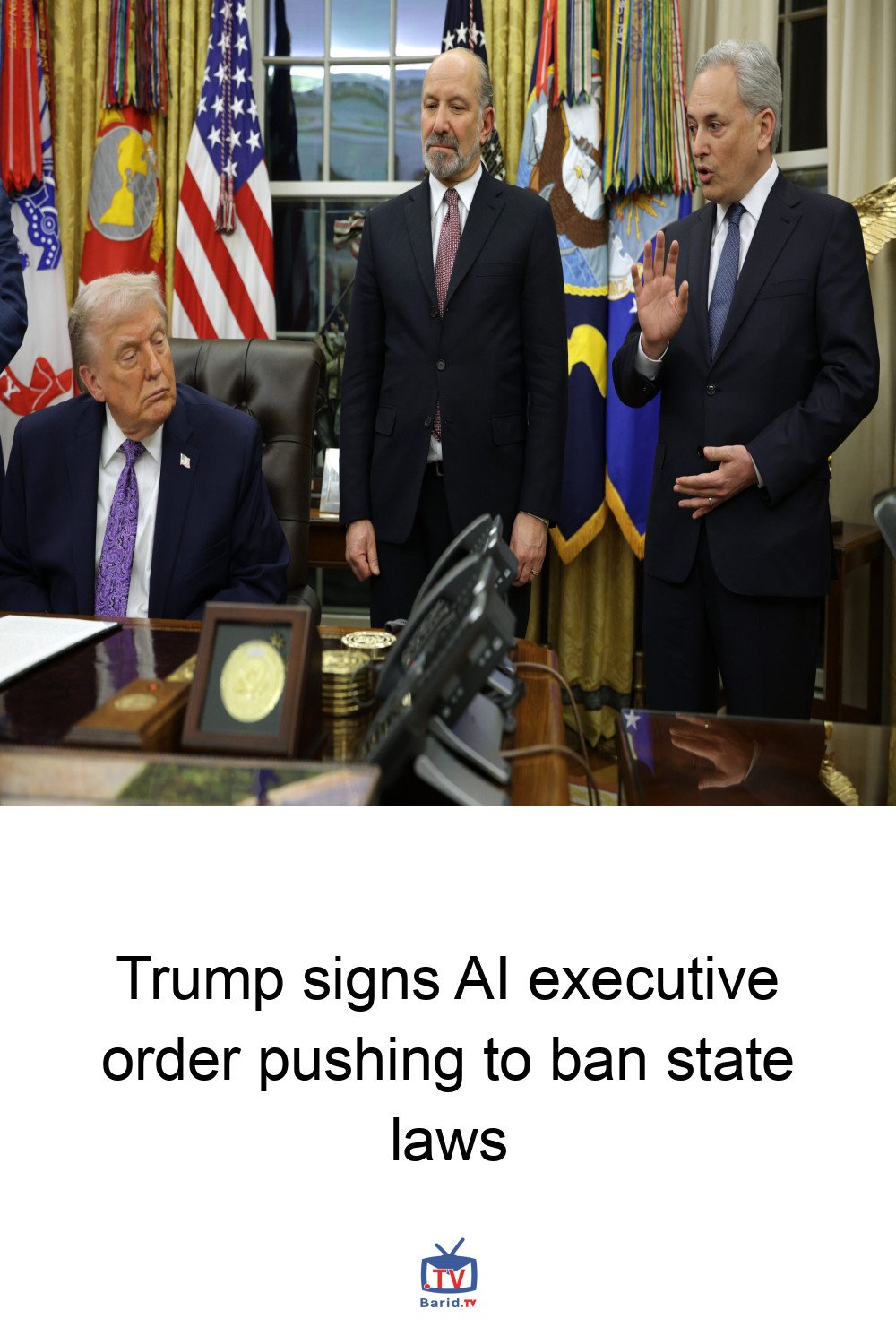
Meanwhile, President Donald Trump has signed an executive order aiming to grab unilateral power over regulating artificial intelligence for the federal government.
However, the order can’t by itself unilaterally override state AI laws, but it directs federal agencies to take steps to reduce or eliminate their influence.
Consequently, the order specifically calls out Colorado’s recently passed consumer protection law, making the claim that “banning ‘algorithmic discrimination’ may even force AI models to produce false results.”
Executive Order Details
In addition, the order directs the creation of an “AI Litigation Task Force” that the attorney general will direct, suing states over any AI laws that it determines are inconsistent with a goal to “sustain and enhance the United States’ global AI dominance.”
Moreover, the FTC is directed to issue a policy statement explaining “circumstances under which State laws that require alterations to the truthful outputs of AI models are preempted by the Federal Trade Commission Act’s prohibition on engaging in deceptive acts or practices affecting commerce.”
Therefore, Commerce Secretary Howard Lutnick is tasked with working on a report on states with laws deemed to be in conflict with the order, and determining which ones may become ineligible for rural broadband funding from the Broadband Equity Access and Deployment (BEAD) program.
Industry Reaction
Meanwhile, the AI industry and their political allies have pursued a ban, or moratorium, on states writing or enforcing their own AI laws, citing the slow pace of Congress and the speed at which they need to pursue innovation.
However, Congress’s moratorium attempts drew criticism, and the White House is wading into murky territory, with some policywatchers and political insiders noting that the draft order would have handed an exorbitant amount of power to billionaire venture capitalist David Sacks.
Therefore, the final order is largely the same as the draft copy, with the creation of an “AI Litigation Task Force” and the direction of the FTC to issue a policy statement.
Conclusion
Meanwhile, Trump has begun signaling his willingness to sign an executive order that would override state laws, stating on Truth Social that the order would create “only One Rulebook” so that AI companies would not have to follow “50 states, many of them bad actors.”
However, the approach has proven controversial, with some critics arguing that it would hand too much power to the White House and not enough to federal agencies or Congress.
Consequently, the order has sparked a heated debate over the role of the federal government in regulating AI and the potential consequences of a patchwork of state laws.
###
Source: Link