
The Best Meteor Shower of the Year Is Coming—Here’s How to Watch
The year’s most spectacular meteor shower is just around the corner, and you won’t want to miss it.
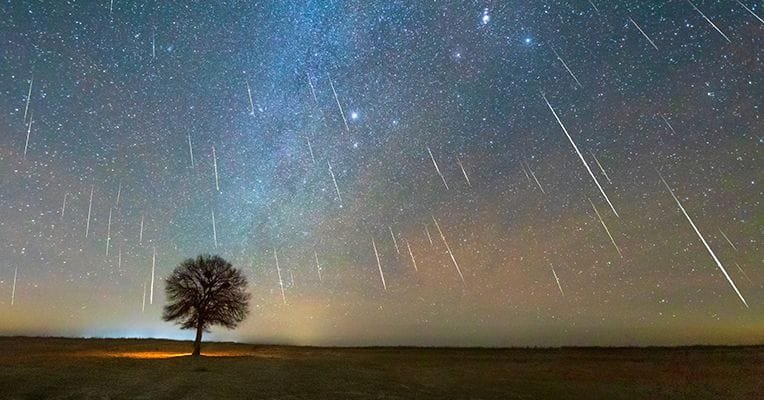
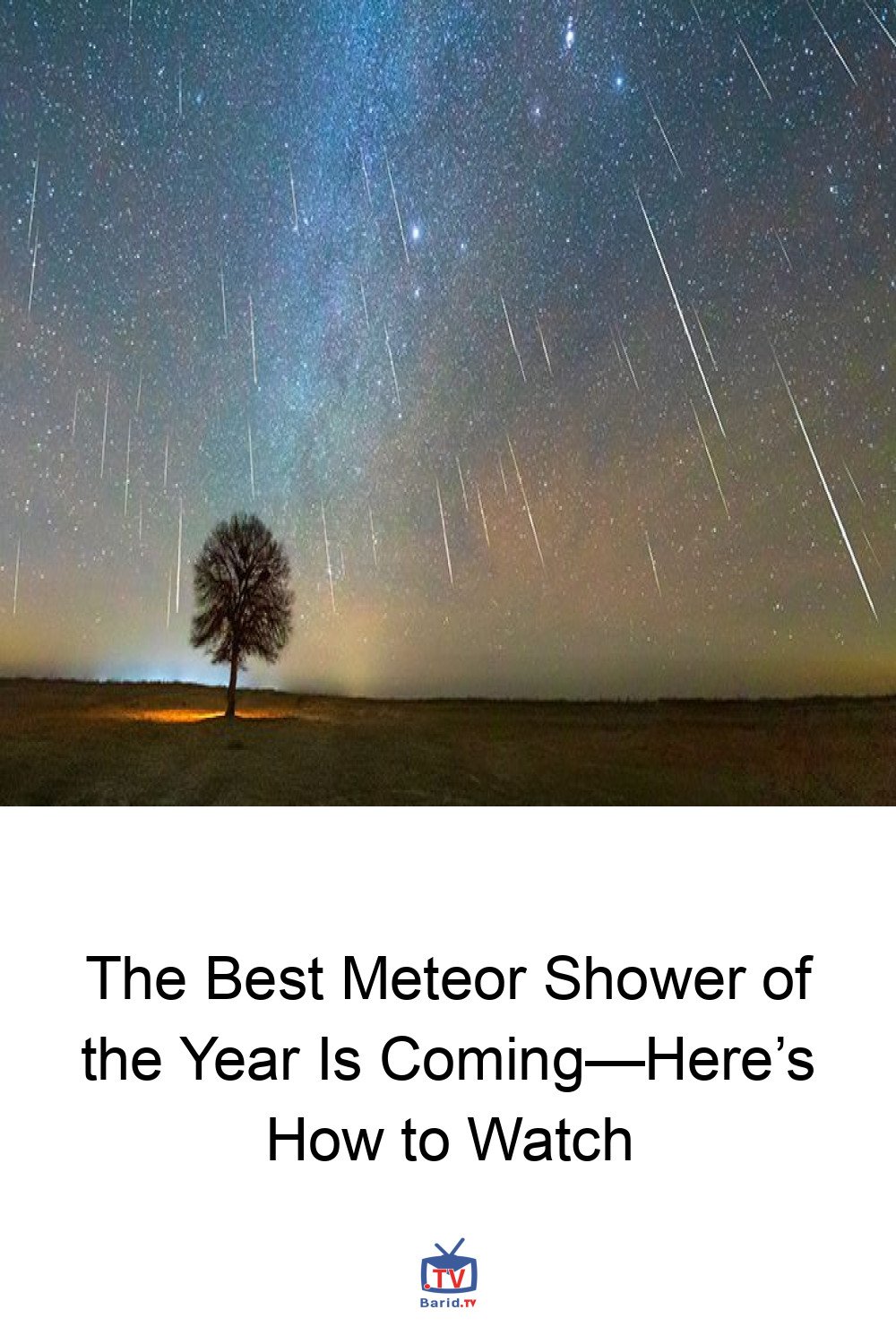
Also known as shooting stars, meteors happen when Earth’s orbital path crosses a path of debris left by a comet and that material burns up in the Earth’s atmosphere.
The Geminids: The Most Spectacular Meteor Shower of the Year
The Geminids are active from about December 4 to December 17, peaking overnight from December 13 to 14.
They have a sharp peak, so the night of the 13th is the best time for skywatching.
This meteor shower is the most spectacular of the year, boasting up to 120 or even 150 meteors per hour during its peak.
How to Watch a Meteor Shower
You don’t need any special equipment to see a meteor shower—in fact, using devices like binoculars or telescopes actually prevents you from seeing meteors.
All you need are your eyes, a dark sky with little to no moonlight, and a location that’s away from excess light.
Note that the moon appears (rises) and disappears (sets) in the night sky at different times depending on what time zone you are in.
Coming Up Later in 2025
The Ursids are active around December 17 to 26, peaking in the early morning hours of December 22.
This meteor shower is less active than others, typically yielding about 10 meteors per hour.
The moon will set at approximately 6 pm in the eastern US on the 21st, so no moonlight will interfere with this meteor shower.
Showers to Look Out for Next Year
The Quadrantids take place in December and January and peak during the first week of the year.
This meteor shower has a sharp peak, meaning that most of its activity occurs in a narrow window of time.
The Quadrantids typically produce many fireball meteors—that is, meteors that are very bright.
Source: Link