

For many living with asthma, the desire to embrace a more active lifestyle often collides with the daunting prospect of exercise-induced breathlessness. The idea of a rigorous gym routine can feel like an insurmountable challenge, especially when asthma isn’t consistently well-controlled. Yet, the undeniable benefits of regular physical activity for overall health remain. This pressing need for accessible solutions has driven researchers to explore innovative ways to make movement a viable and beneficial part of life for individuals with asthma.
A Paradigm Shift in Asthma Management: The Latest Research
A recent randomized trial has offered a compelling new perspective, challenging traditional notions of what ‘exercise’ must entail for asthma sufferers. The study, involving 52 physically inactive adults grappling with moderate-to-severe, uncontrolled asthma, compared two distinct eight-week programs.
Unpacking the Study Design
- The Traditional Approach: One group participated in supervised treadmill workouts twice weekly, each lasting 45 minutes. These sessions were structured with intensity tailored to individual exercise test results.
- The Everyday Movement Approach:
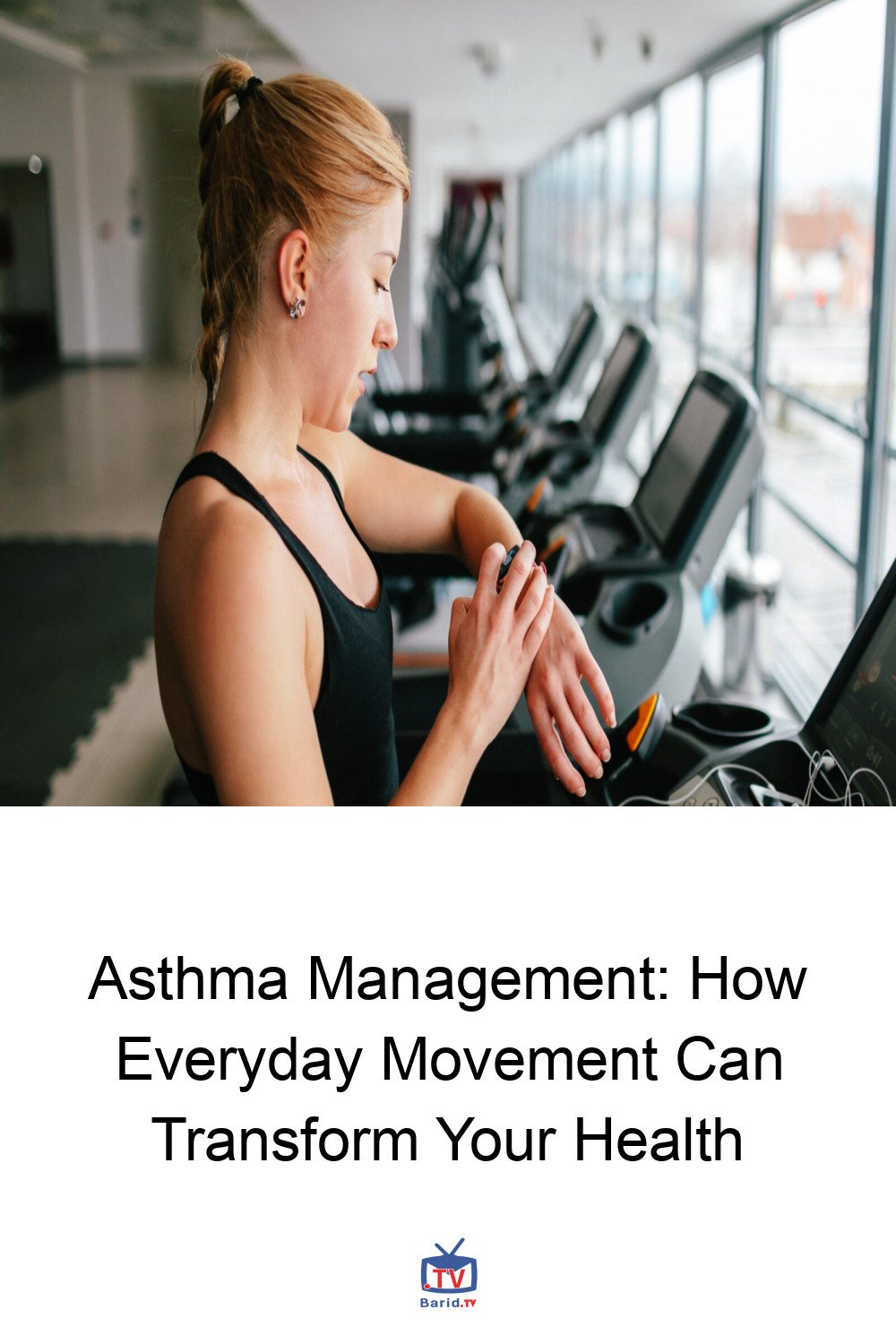
The second group engaged with a health professional once a week for up to 90 minutes. Crucially, their focus was not on formal workouts, but on integrating more movement throughout their day and reducing sedentary time. Participants utilized wrist activity monitors to prompt movement after 60 minutes of inactivity and track daily step goals, adjusting these goals weekly.
Both groups continued their prescribed asthma medication, and the participant demographic was largely female (88%), with many being overweight or living with obesity, and often managing multiple other health conditions, alongside symptoms of anxiety and depression.
Remarkable Improvements Across Both Groups
After eight weeks, the findings were unequivocally positive: both groups demonstrated clinically meaningful improvements in their asthma control. These benefits persisted even when participants were re-evaluated 16 weeks later.
- In the everyday-movement group, an impressive 88% reached the threshold for clinically meaningful improvement after eight weeks, closely followed by 78% in the treadmill group.
- At the 16-week follow-up, the figures remained strong at 64% and 63% respectively. The statistical similarity between these outcomes suggests that neither approach was superior, but rather that both were highly effective.
Beyond asthma control, participants in both groups reported enhanced quality of life and a reduction in symptoms of anxiety and depression. Quantifiable increases in activity were also observed: the everyday-movement group saw their average daily steps climb from 5,185 to 7,848, while the treadmill group’s average walking speed increased from 4.4 to 6.1 kilometers per hour.
Rethinking Exercise: Movement Woven into Daily Life
This research doesn’t diminish the value of structured treadmill workouts; instead, it broadens the scope of what constitutes effective physical activity for individuals with asthma. It highlights a vital alternative for those for whom a formal exercise routine might seem impractical or intimidating.
For many, the most accessible path to increased activity lies in leveraging the movement already inherent in their day. Simple actions like walking for errands, opting for stairs, standing up between tasks, or even taking a brief stroll around the house during a phone call can collectively create significant opportunities for movement. This approach is particularly empowering for those who have previously shied away from exercise due to symptom concerns or difficulty adhering to a rigid routine. Both study groups reported fewer barriers to being active, a positive trend that continued throughout the follow-up period.
Actionable Steps: Integrating More Movement into Your Day
If you live with asthma and aspire to be more active, your first step should always be a conversation with your healthcare provider to determine what aligns best with your symptoms and current fitness level. Once cleared, consider these practical strategies:
- Break Up Sedentary Periods: Incorporate short walks after meals, park further from your destination, or pace while on the phone.
- Embrace Short, Frequent Walks: A five-minute walk every hour can effectively disrupt prolonged sitting.
- Set Achievable Movement Goals: A daily step target provides a concrete objective without the pressure of a full workout.
- Utilize Inactivity Reminders: Many smartwatches offer alerts to prompt movement after periods of inactivity, offering a gentle nudge when you need it.
The Key Takeaway
For individuals managing moderate-to-severe asthma, this groundbreaking study confirms that formal, gym-based workouts are not the sole route to improved health. An everyday-movement program proved just as effective as supervised treadmill training in enhancing asthma control. This offers patients a valuable, accessible alternative to discuss with their healthcare providers, opening new doors to better respiratory health and overall well-being.
For more details, visit our website.
Source: Link