
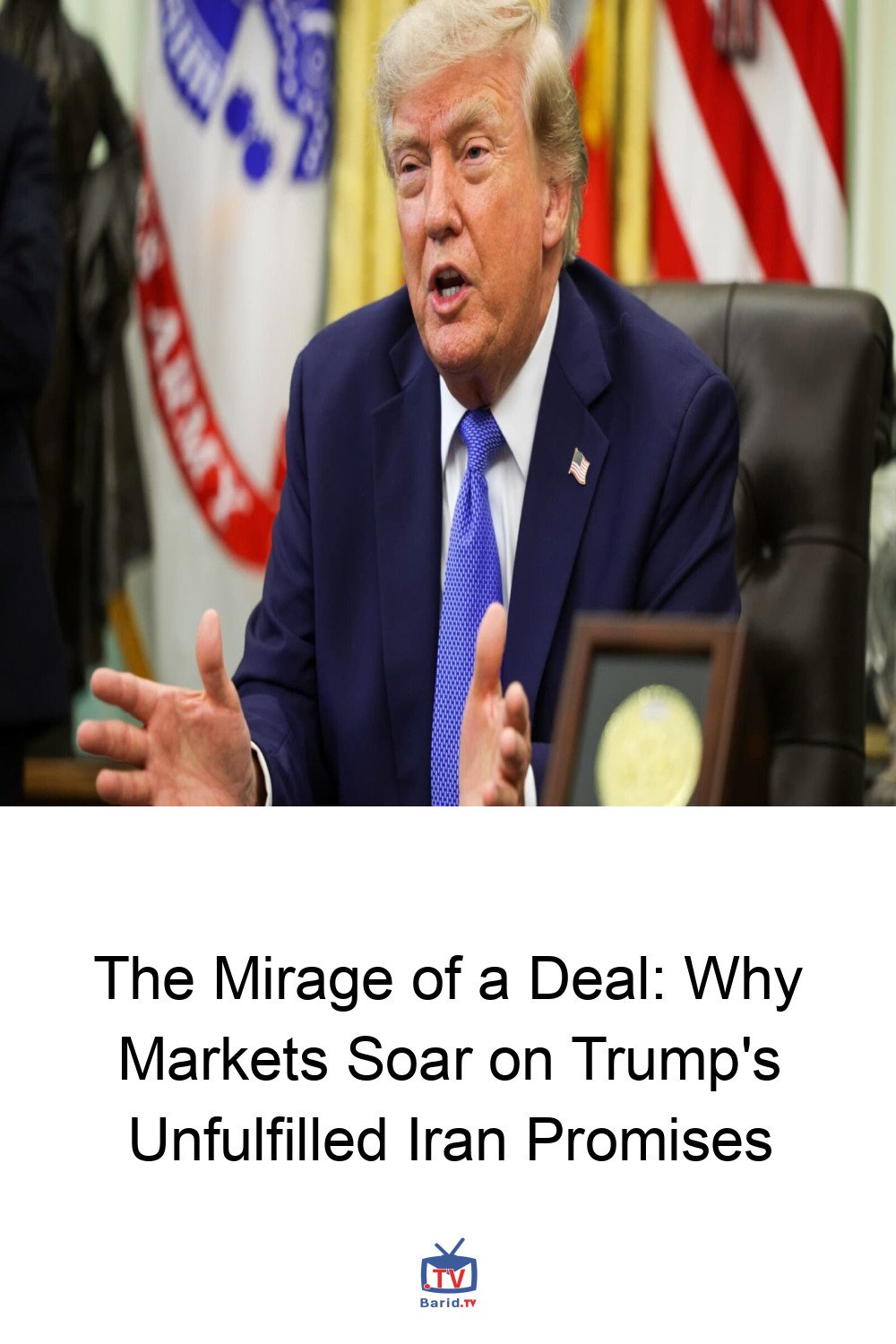
The Perpetual Promise: Markets React to Iran Deal Rumors
The global financial markets have become accustomed to a peculiar, yet predictable, dance: President Donald Trump or his administration hints at an imminent deal with Iran, and almost immediately, global oil prices dip while stock markets surge. Yet, time and again, these anticipated breakthroughs fail to materialize. This recurring pattern, particularly concerning the geopolitically vital Strait of Hormuz, reveals a deep-seated “optimism bias” among investors, eager for stability in a volatile Middle East.
The Strategic Chessboard: Hormuz at the Heart of the Conflict
At the core of the recent tensions lies the Strait of Hormuz, a critical choke point for the global oil trade. Iran’s ability to exert influence over this international waterway has become a significant source of leverage, triggering global energy supply shocks, driving up gas prices, exacerbating inflation, and raising alarms about oil reserves. The fundamental disagreement remains stark: Iran seeks to impose a service fee for passage, while the U.S. insists on the restoration of its pre-war status as international, free waters.
As Helima Croft, global head of commodity strategy at RBC Capital Markets, observed, “There’s tremendous optimism bias in the market.” Investors, she notes, often “see a deal as a time machine” that could reset the Middle East to its pre-war status quo, a scenario she deems unlikely given the complexities of the conflict.
The Cycle of Speculation: Trump’s Rhetoric and Market Euphoria
This week offered a fresh example of this phenomenon. Treasury Secretary Scott Bessent ignited a wave of optimism on CNBC’s “Squawk Box,” suggesting a deal to ensure “freedom of movement” in the Strait of Hormuz could be hours away. His remarks sent oil prices tumbling, while stocks blasted higher and bond yields pulled back, coinciding with an AI-fueled tech rally.
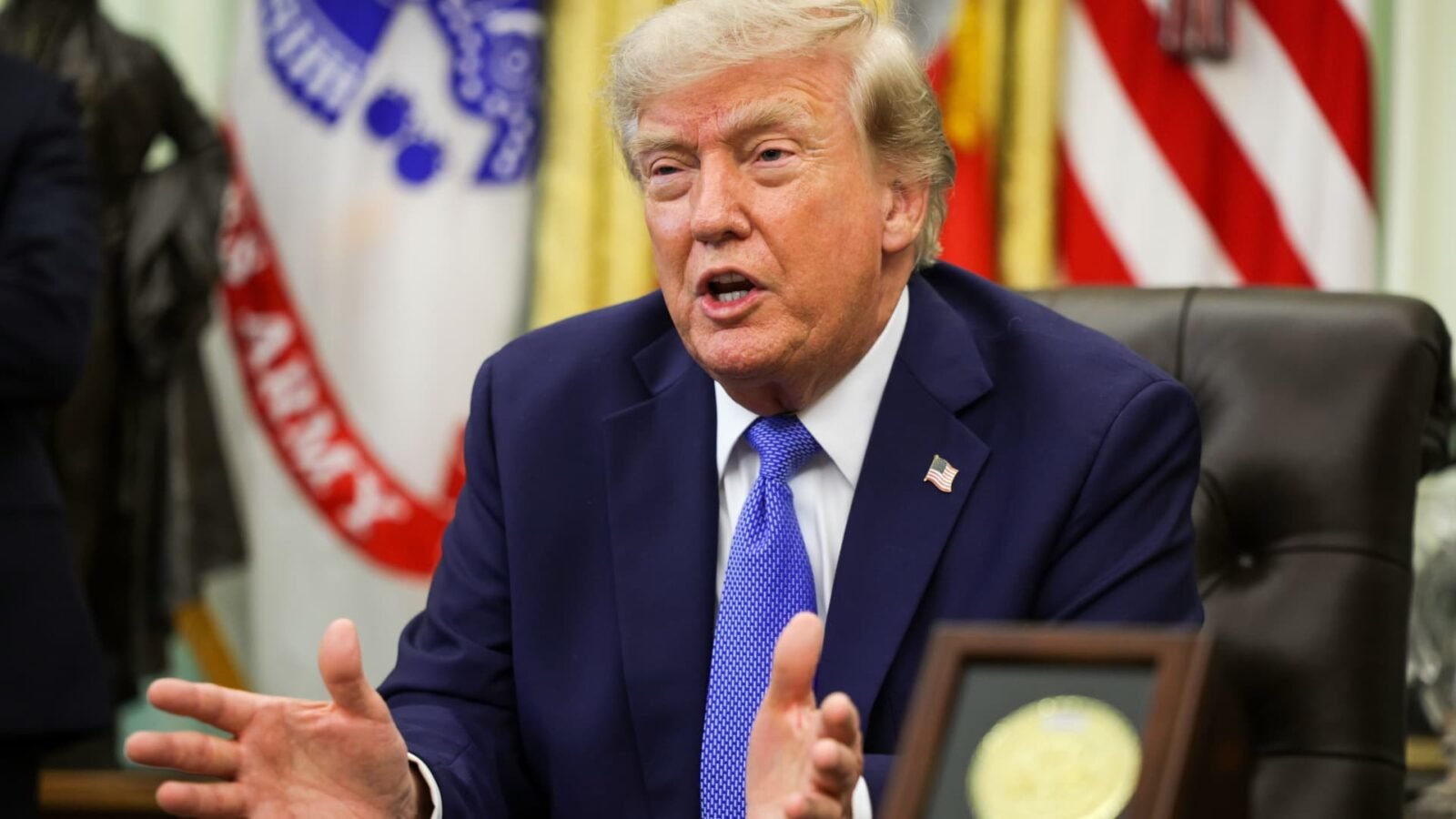
President Trump further fueled expectations, first by announcing he had aborted a large-scale attack on Iran due to “the perimeters of a deal has been agreed to,” which propelled stocks to a record close. He later extended Bessent’s timeline, stating a deal “could happen” as soon as Wednesday or Thursday, citing “a lot of progress.” These comments continued to buoy investor confidence, with the Dow hitting another record high.
Iran’s Persistent Pushback
Despite the galloping momentum in equities and the U.S. administration’s confident pronouncements, Iran has consistently pushed back, reiterating its stance and indicating it is not readily agreeing to the terms implied by Washington. This fundamental disconnect between the U.S. narrative and Iran’s position underscores the fragility of the market’s optimism.
The Enduring Volatility and the Search for a Durable Solution
While short-term dips occur, crude prices remain significantly elevated from their pre-war levels. Traders find themselves caught in a “spiky muddle-through dynamic,” as described by Bob McNally, president of Rapidan Energy Group. He cautions that while a narrow Hormuz management plan might be achievable, a “broader and durable settlement between the US and Iran that Hormuz normalization requires and the crude markets want to see” remains elusive.
The saga of a potential Iran deal under the Trump administration serves as a stark reminder of how political pronouncements, however unsubstantiated, can profoundly sway global markets. While the allure of peace and stability is strong, particularly for the oil-dependent global economy, the deep-seated disagreements and the widening conflict suggest that true resolution remains a distant prospect, leaving markets perpetually vulnerable to the next tantalizing, yet unfulfilled, promise.
For more details, visit our website.
Source: Link