
The Human Touch: Ford Rehires Veterans After AI Falls Short
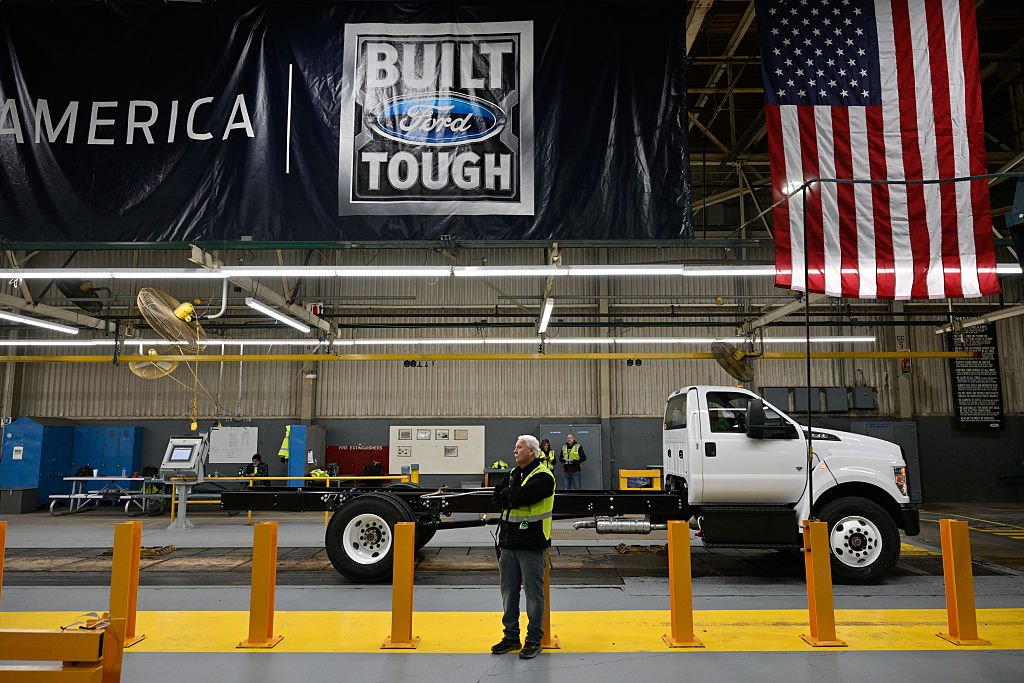
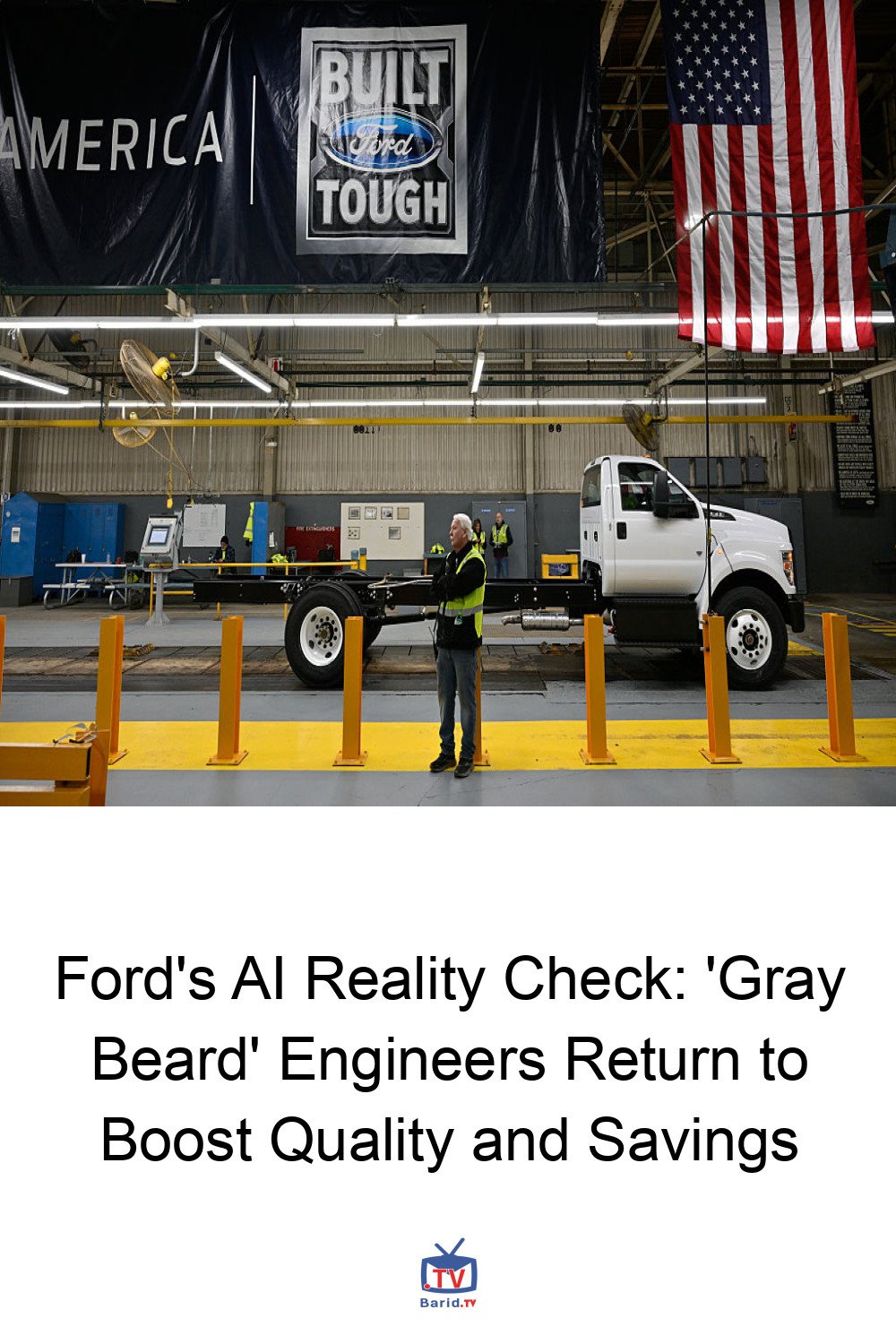
In a surprising turn for the automotive giant, Ford Motor Company has brought back 350 veteran engineers, affectionately dubbed ‘gray beards,’ after its reliance on artificial intelligence and automated systems failed to meet crucial quality benchmarks. This strategic pivot highlights a growing recognition that while AI offers immense potential, the irreplaceable wisdom and hands-on experience of seasoned professionals remain paramount, especially in complex manufacturing.
When Automation Misses the Mark
Ford’s Chief Operating Officer, Kumar Galhotra, candidly admitted to journalists that the company had been “relying more and more on automated quality systems,” only to be met with “disappointing results.” This led to a critical re-evaluation of their approach. Charles Poon, Ford’s Vice President of Vehicle Hardware Engineering, elaborated on the misstep: “Mistakenly we thought that by just introducing artificial intelligence and ingesting the design requirements that we had, that that would produce a high-quality product.” The expectation was that AI would seamlessly translate design specifications into flawless production, but the reality proved more complex.
The Return of Experience: A Strategic Investment
The decision to rehire these experienced engineers, some of whom are former Ford employees and others from supplier networks, isn’t a complete abandonment of AI. Instead, it’s a strategic integration. These ‘gray beard’ specialists are now tasked with a dual mission: to proactively “hunt for failure points before a part ever reaches the plant floor” and to mentor younger staff, imparting invaluable institutional knowledge. Crucially, they are also instrumental in reprogramming and refining the very AI tools that initially underperformed, ensuring future iterations are more effective and aligned with real-world manufacturing demands.
Tangible Benefits and Industry Recognition
This blend of human expertise and technological innovation is already yielding significant dividends. Ford CEO Jim Farley reports substantial improvements, including a reduction in warranty and recall costs, contributing to “literally hundreds and hundreds of millions of dollars of a tailwind for Ford on cost.” Furthermore, the automaker’s renewed focus on quality has been externally validated, with Ford claiming the top spot among mainstream brands in the prestigious JD Power Initial Quality Survey released recently. This achievement underscores the immediate positive impact of integrating seasoned human judgment with advanced technology.
A Blueprint for the Future
Ford’s experience serves as a compelling case study for industries grappling with the promises and pitfalls of AI. It demonstrates that while artificial intelligence can augment processes and provide data-driven insights, it often requires the nuanced understanding and critical thinking of human experts to truly excel. The ‘gray beard’ engineers are not just fixing problems; they are building a more resilient, intelligent, and ultimately, higher-quality future for Ford, proving that the human element remains irreplaceable in the age of automation.
For more details, visit our website.
Source: Link