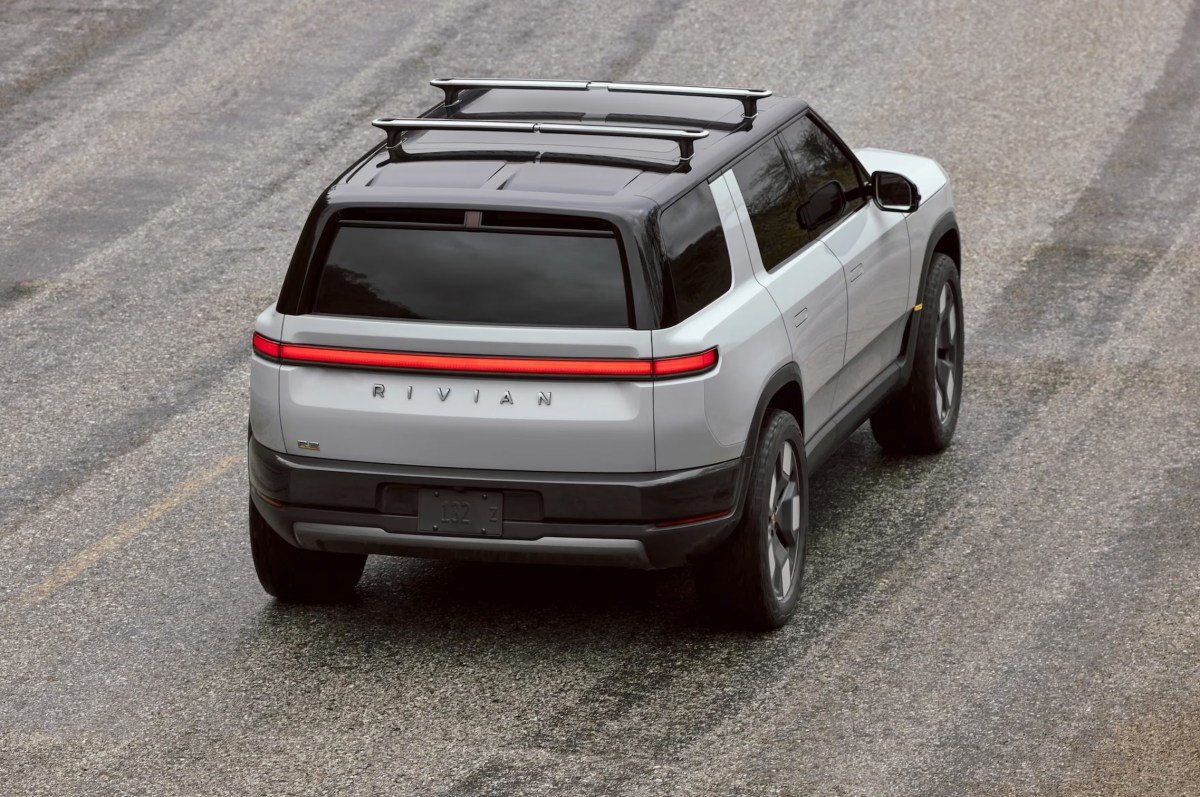

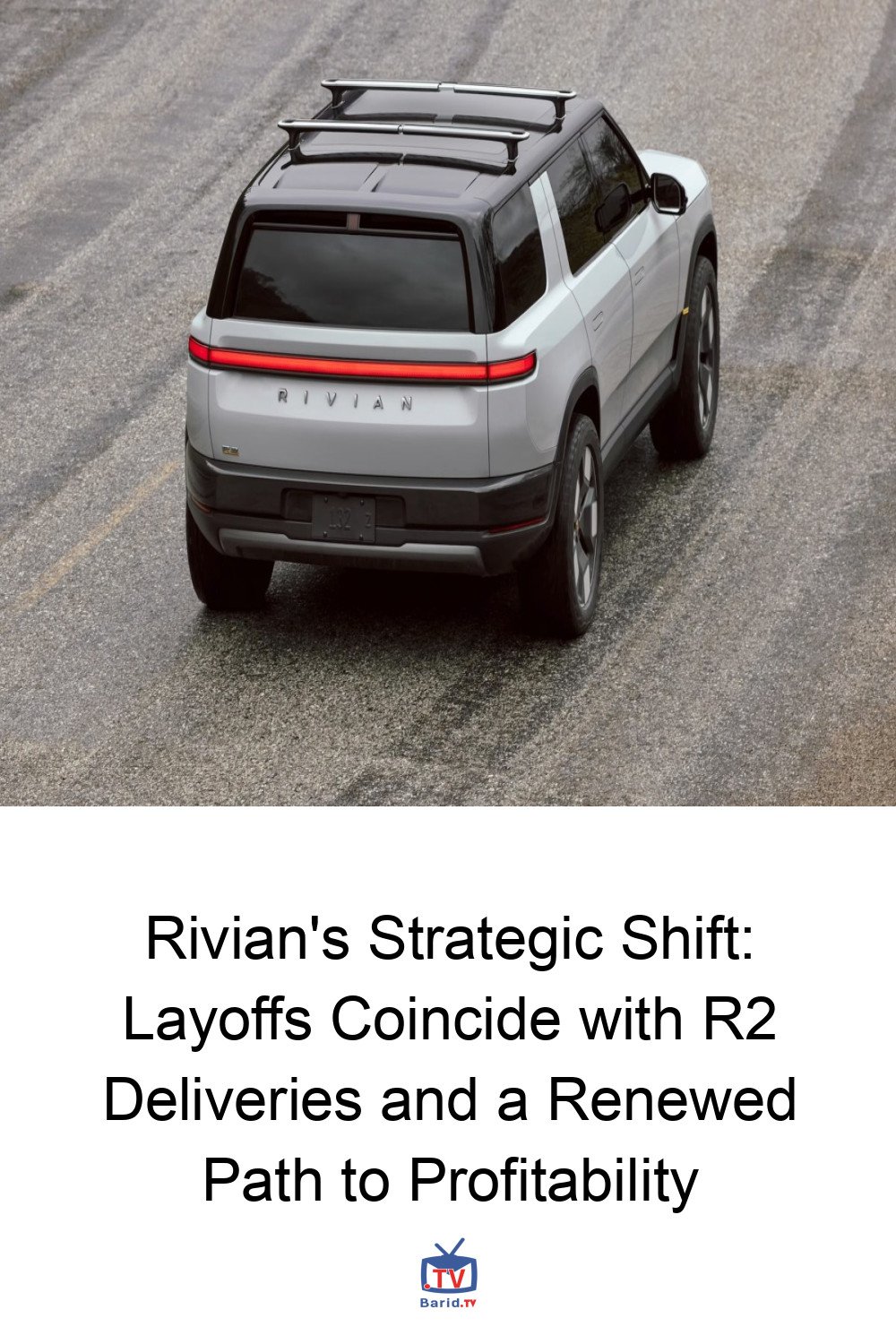
In a move that underscores the challenging landscape for electric vehicle manufacturers, Rivian has confirmed a new round of workforce reductions, affecting hundreds of employees. This strategic restructuring comes just one week after the highly anticipated commencement of deliveries for its R2 SUV, a vehicle critical to the company’s future.
Efficiency Drive Amidst R2 Rollout
The California-based EV maker, known for its adventure-focused R1T pickup and R1S SUV, stated that the layoffs impact less than 2% of its total workforce. The company’s rationale, as communicated to TechCrunch, is to “boost efficiency” and “profitably scale our business.” This marks at least the fourth instance of significant workforce adjustments Rivian has undertaken since the beginning of 2024, signaling a persistent effort to streamline operations.
Impact on Customer-Facing Teams
Sources indicate that the cuts are primarily concentrated within Rivian’s service and customer-facing teams, encompassing crucial sales and marketing functions. This focus suggests an internal re-evaluation of resource allocation as the company navigates its growth trajectory and market demands.
The Elusive Path to Profitability
Rivian has faced considerable financial headwinds, accumulating losses estimated at around $30 billion to date. The company had initially set an ambitious target of achieving its first profit in 2027. However, this goal was recently pushed back in March, a decision attributed to substantial investments in autonomous vehicle (AV) technology development.
Autonomous Ambitions and the Uber Partnership
The delay in profitability was revealed alongside a significant development: Uber’s potential investment of up to $1.25 billion in Rivian. This partnership could also see Uber acquiring as many as 50,000 R2 SUVs, earmarked for use as robotaxis. While this deal presents a substantial opportunity for Rivian, it also highlights the company’s current limitations in the autonomous driving space, as its existing offerings are limited to a “hands-off, eyes-on-the-road” feature, falling short of full self-driving capabilities required for robotaxi operations.
Looking Ahead: A Balancing Act
Rivian’s latest workforce reduction, timed so closely to the R2’s market debut, illustrates the delicate balancing act between aggressive product launches, technological innovation, and the imperative for financial discipline. As the company continues to burn through capital in pursuit of its long-term vision, these efficiency measures are likely to remain a recurring theme in its journey towards sustainable profitability in the competitive EV market.
For more details, visit our website.
Source: Link