
As the United States braces for a particularly contentious midterm election season, the burgeoning world of prediction markets finds itself in an uncomfortable spotlight. Both Kalshi and Polymarket, prominent platforms in this space, have confirmed to WIRED that they’ve had to intervene with political commentators they pay to promote their services, specifically regarding posts that questioned election results.
Influencers Challenged Over LA Mayoral Election Claims
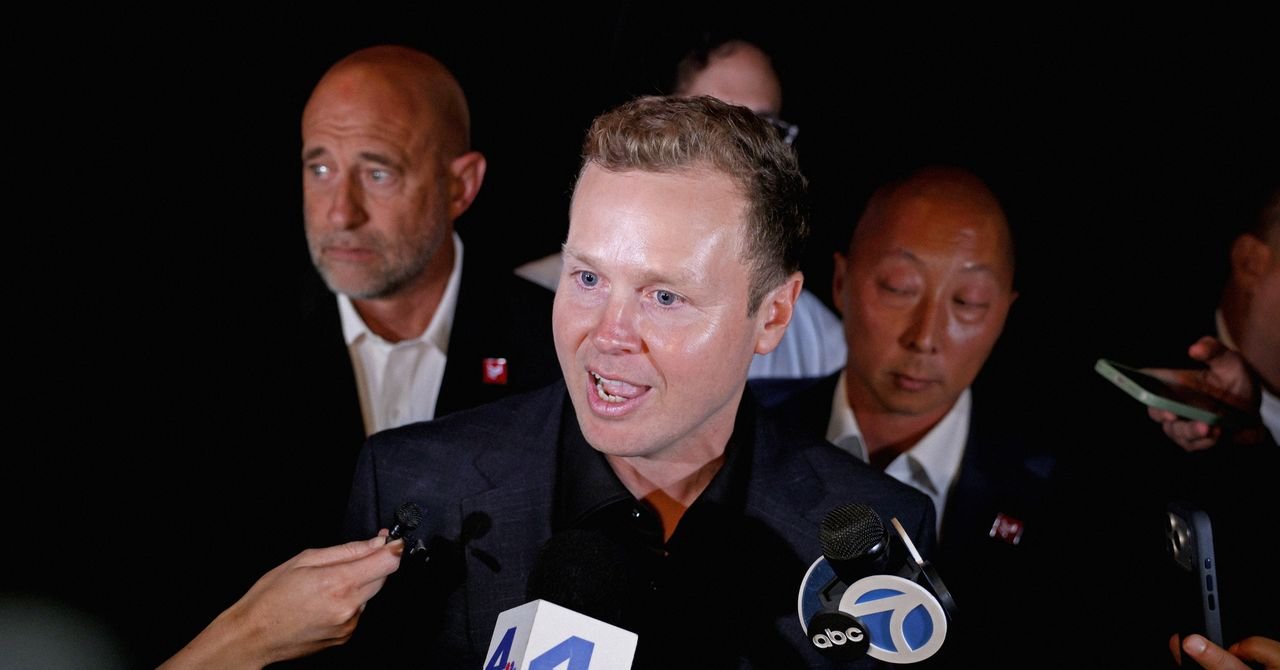
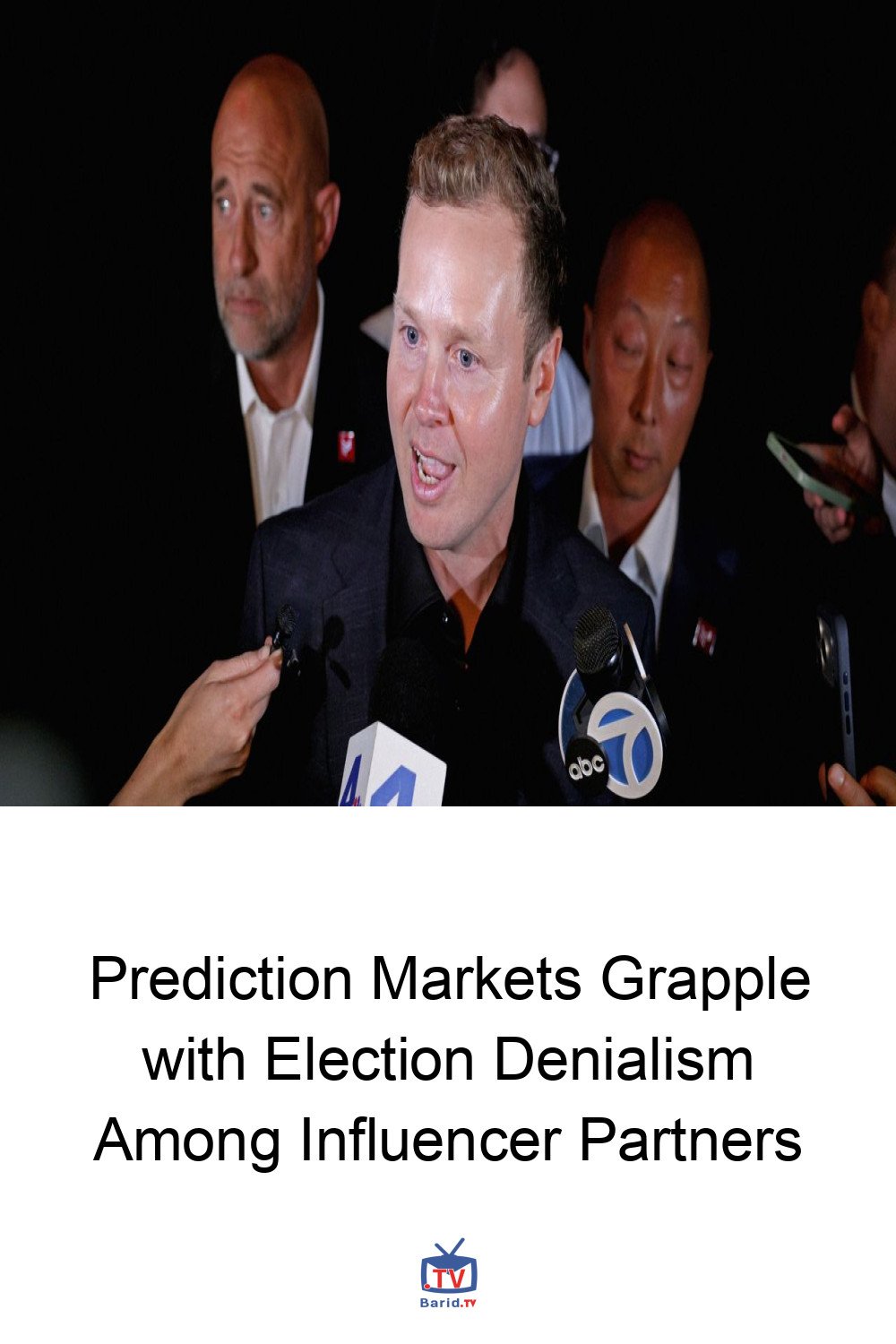
The controversy stems from the Los Angeles mayoral election, where conservative former reality television star Spencer Pratt finished third. Following this outcome, several popular right-wing influencers published content casting doubt on the integrity of the race. Notably, Gunther Eagleman, a MAGA influencer with over 1.7 million followers, suggested that Pratt’s opponents were “stealing” the election. Kalshi promptly requested the removal of these posts last Friday, a development first reported by Semafor.
Kalshi’s Stance on Election Integrity
While Kalshi does not publicly disclose its contracts with paid partners, the company’s internal rules explicitly prohibit affiliates from challenging the integrity or accuracy of official election results and related legal rulings. Dani Lever, a spokesperson for Kalshi, clarified to WIRED: “These are internal policies to guide our affiliates and partners, and they include standards around the promotion of and marketing of Kalshi markets on elections.”
Polymarket Faces Similar Challenges
Polymarket has encountered parallel issues, asking two creators to remove “paid partnership” tags from posts critical of election results. One such instance involved right-wing influencer Benny Johnson, who implied that improved odds for candidate Nithya Raman on Polymarket were due to “the public has so little faith in California’s elections that they just assume Democrats are going to dramatically rig it.” Johnson’s post, initially tagged as paid content from June 4, had its partnership tag removed by June 8. Johnson has not commented on the matter and has ceased posting Polymarket affiliate content since the takedown.
Polymarket’s Guidelines and Enforcement Hurdles
Olivia Chalos, Polymarket’s deputy chief legal officer, stated: “Our existing marketing guidelines explicitly prohibit affiliates from providing misleading or false information, and we will continue to monitor and ensure compliance with our paid contributors.” Polymarket, while declining to share specific contract language, confirmed its guidelines ban false and misleading statements. However, as highlighted by the newsletter Popular Information, other posts promoting election-denial narratives, still bearing paid partnership labels with both platforms, remain online. This illustrates the “whack-a-mole” challenge prediction-market firms face in enforcing their policies, though Polymarket asserts it is actively pursuing additional accounts in violation.
Unorthodox Payments and Regulatory Scrutiny
Further complicating matters, Politico recently reported that Matthew Modabber, Polymarket’s chief marketing officer, directly pays content creators via PayPal—an unconventional payment method. It remains unclear whether Modabber used this method to compensate Johnson or fellow right-wing commentator Kangmin Lee, whose post was also removed. Polymarket declined to comment on its payment practices.
Both Kalshi and Polymarket operate a wide array of politics and election-themed markets, with their odds increasingly influencing media election coverage (CNN, for instance, partnered with Kalshi last year). However, these platforms are under intense scrutiny from lawmakers and regulators. Many state officials argue they should be regulated as gambling platforms, not commodities exchanges, leading to numerous lawsuits. Bipartisan concerns also exist regarding the potential for these markets to incentivize insider trading and market manipulation.
A Growing Concern for Prediction Markets
This latest controversy adds another layer of alarm: the entanglement of these companies with influencers who propagate election denialism. The likelihood that this is an isolated incident, and that this cohort of firebrand commentators will consistently exercise sound judgment in their paid promotional materials, appears increasingly slim. The incident underscores the delicate balance prediction markets must strike between free expression and maintaining the integrity of democratic processes they purport to predict.
For more details, visit our website.
Source: Link