
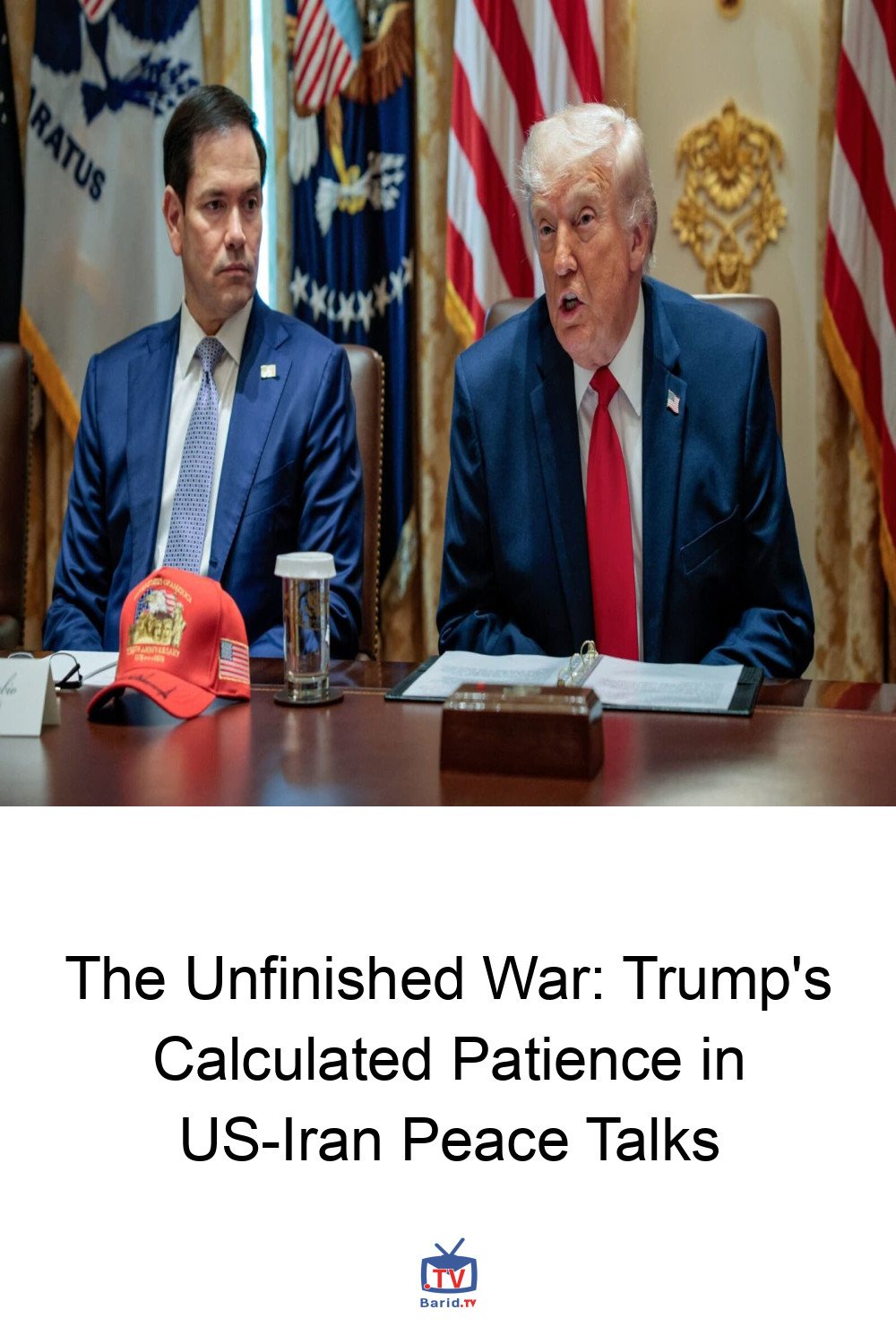
A Protracted Stalemate: The Fourth Month of Conflict
As the conflict between the United States and Iran grinds into its fourth month, a definitive peace agreement remains elusive. President Donald Trump, speaking on Saturday, underscored his administration’s position, stating he is in “no hurry” to finalize a deal, even as negotiators from both sides continue their efforts amidst a tenuous ceasefire.
For weeks, U.S. and Iranian representatives have been locked in discussions, striving to forge a compromise that would bring an end to the hostilities. However, Trump’s recent remarks signal a strategic patience, coupled with a stern warning: should negotiations falter and Iran fail to meet U.S. demands, further military action remains a distinct possibility.
Trump’s Calculated Patience and Military Threats
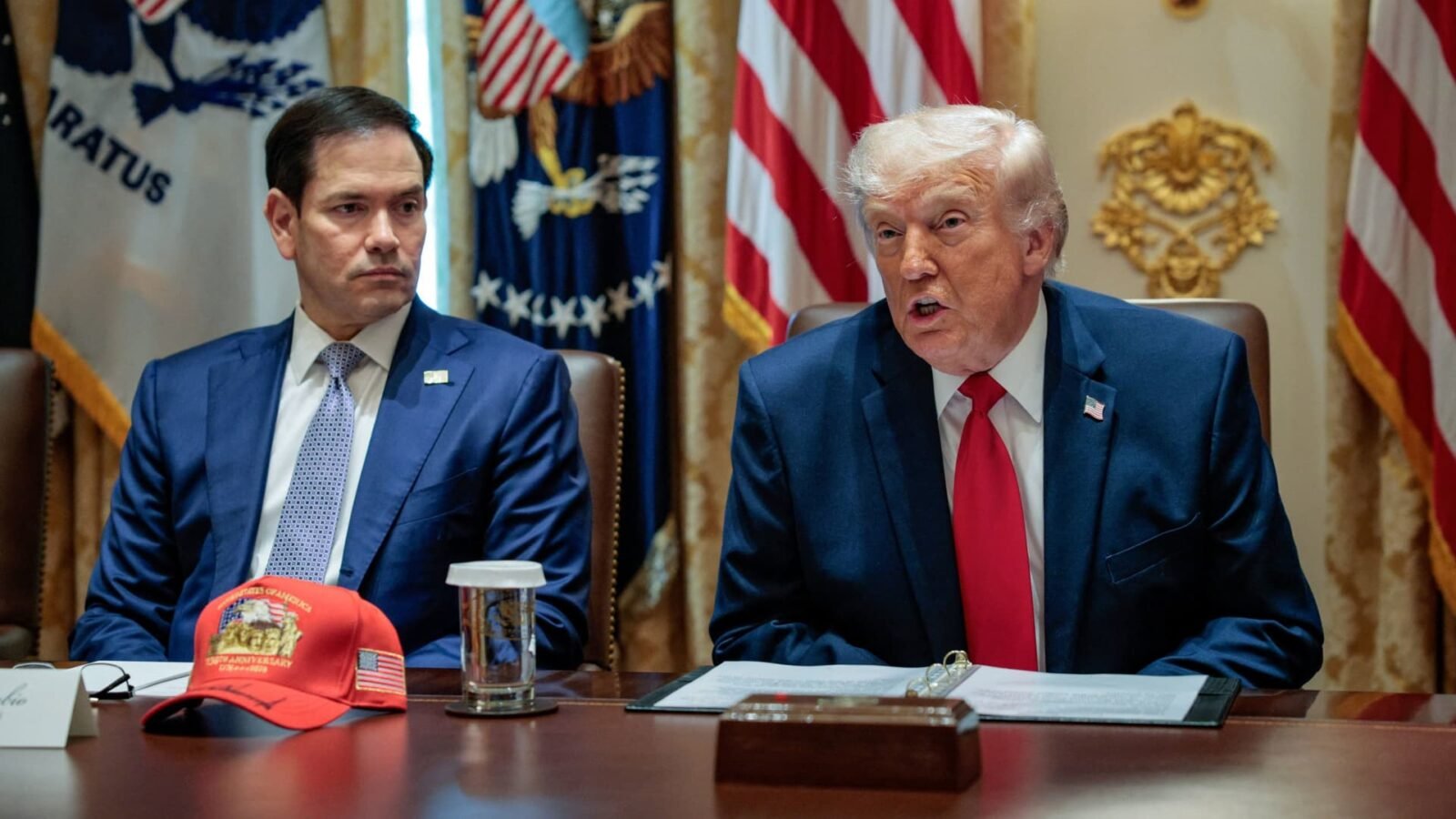
In an interview with his daughter-in-law, Lara Trump, on Fox News, President Trump articulated his primary objective: securing a deal that unequivocally prevents Iran from ever acquiring a nuclear weapon. While acknowledging a preference for a swift resolution, he emphasized that expediency would not compromise the quality of the agreement.
“I’d like to say I’m in a hurry because gasoline prices are going to come tumbling down, but if you’re going to be in a hurry, you’re not going to make a good deal,” Trump stated. He added a stark ultimatum: “And slowly but surely we’re getting, I think, what we want, and if we don’t get what we want we’re going to end it a different way.” Reaffirming his resolve, he concluded, “We’re going to make a great deal, [otherwise] we’ll just go back and finish it off militarily.”
Global Repercussions: Energy Markets and Inflation
The ongoing conflict has cast a long shadow over global energy markets, triggering significant economic upheaval. The closure of the Strait of Hormuz by Iran at the war’s outset has proven particularly disruptive, as the vital waterway accounts for approximately one-fifth of the world’s oil supply and remains largely impassable. This disruption has fueled inflation, pushing it to its highest level since May 2023, and sent gasoline prices soaring. On Sunday, the average gas price in the U.S. stood at approximately $4.34 per gallon, according to AAA.
Core Demands and Unresolved Edits
At the heart of the U.S. demands are two non-negotiable points: Iran must commit to never obtaining a nuclear weapon and must immediately reopen the Strait of Hormuz as part of any peace accord. A White House meeting on Friday, intended to yield a “final determination” on the deal, concluded without a decision, highlighting the complexities still at play.
According to an Axios report on Saturday, President Trump requested specific edits to the proposed agreement, focusing on the handling of Iran’s nuclear material and the critical reopening of the Strait. Furthermore, in his Fox interview, Trump revealed he had reinforced the deal’s language to explicitly prohibit Iran not only from developing but also from purchasing a nuclear weapon, signaling a hardening of the U.S. stance on proliferation.
As the world watches, the path to peace remains fraught with challenges, balancing diplomatic efforts with the looming threat of escalated conflict and the tangible economic pressures felt globally.
For more details, visit our website.
Source: Link