
The Unseen Aftermath: OnlyFans Creators Confront Their Digital Past
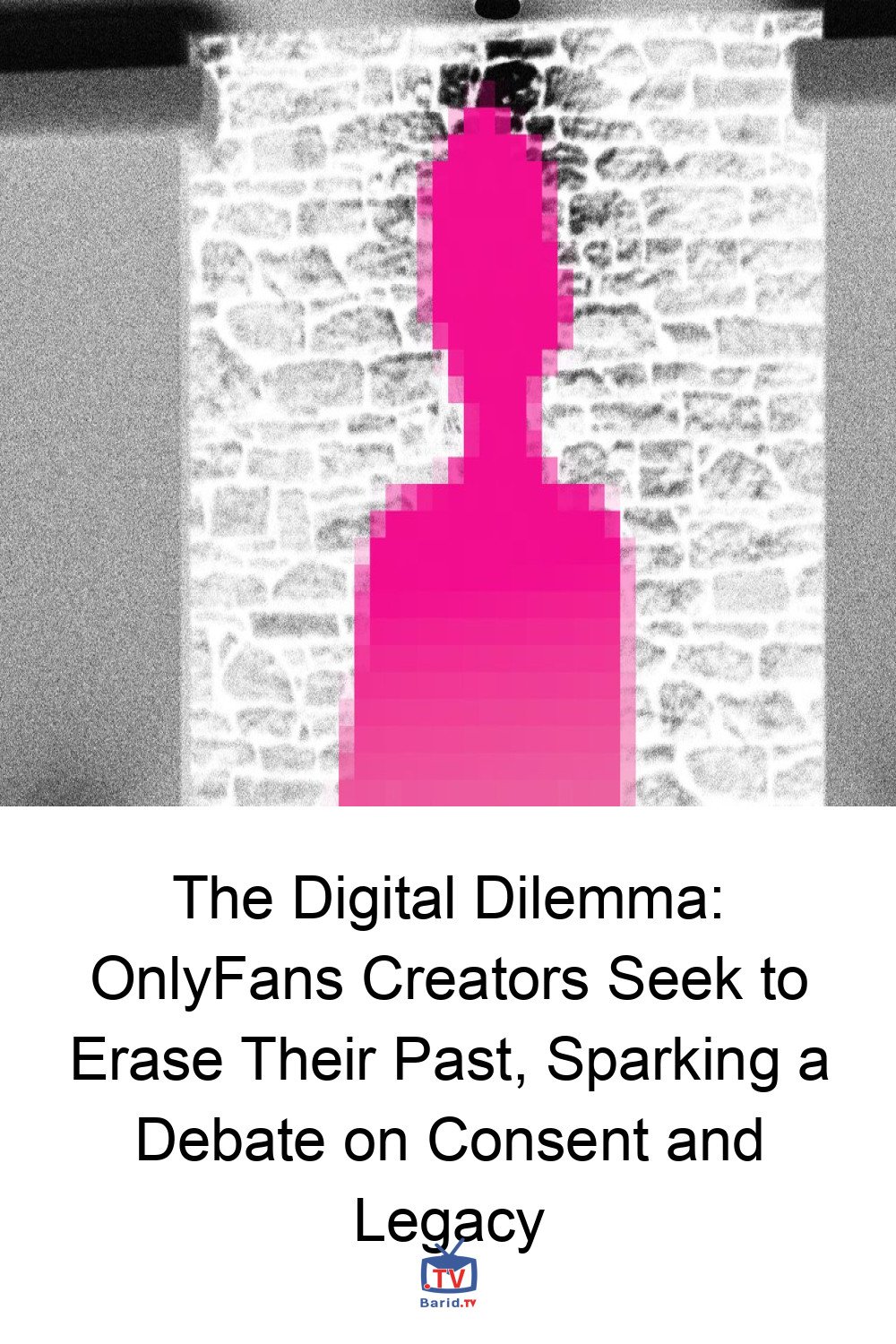
In an era where digital footprints are indelible, a growing number of OnlyFans creators are grappling with the permanence of their past work. Their pleas for privacy and a fresh start are igniting a complex debate about consent, consumer rights, and the very nature of online legacy. Win White, a 29-year-old former OnlyFans creator, recently found himself at the epicenter of this storm.
On April 28th, White took to X (formerly Twitter) with a heartfelt request to his 65,000 followers: to refrain from sharing his old content. “I know where I’ve been and I think I’m entitled to a life after that at least,” he wrote, a sentiment born from the distress of old clips resurfacing. Despite deleting his OnlyFans account and associated social media last year, his past continued to haunt him, prompting a panicked public appeal.
White, a gay Navy veteran, joined OnlyFans in September 2022, seeking financial independence from a toxic relationship. By August 2023, the platform boasted over 3 million creators. Yet, for White, the experience became inauthentic, the reputational risks outweighing the modest earnings. “I only did it when I needed money to do something extra curricular. It was never my day job. I didn’t get rich off of it,” he explained to WIRED, candidly adding, “I really sucked at it.” This self-assessment made the public’s refusal to let go of his content all the more jarring.
The “Internet is Forever” vs. The Right to Reinvent
A Plea for Forgetting, Met with Resistance
White’s request was met with a stark dichotomy of responses. While some offered empathy, the majority were mocking and critical. “You were desperate then so deal with the now,” one X user retorted. The prevailing argument: the internet is a permanent archive, and content once published, especially for payment, cannot simply be wished away. “You can’t ask millions of strangers to collectively agree to a ‘hush’ policy on content that you personally put out and kept live. That’s just not how this works,” another user commented, echoing the sentiment that a digital footprint, once made, is immutable.
The financial aspect further fueled the backlash. Many subscribers felt a sense of ownership over content they had paid for. As @stuntqween put it, “I’m all for respect—but it’s quite comical when retired OF gays finally accumulate the funds that they’ve dreamed of (from making porn) then all of a sudden it’s ‘take that down!’ Babe we paid for that OF content, shared your content to SUPPORT you & funded your lifestyle.” This perspective highlights the complex intersection of consumer investment and creator autonomy.
The Evolving Definition of Consent
Conversely, supporters of White argued that the core issue boiled down to consent, asserting that the inability to move on constitutes an unfair social punishment. “Why are y’all so comfortable disregarding a person’s consent?” asked @MrFlyyyGuyyy, pushing for a re-evaluation of how consent applies to digital content over time.
Lynn Comella, a researcher of sexual politics and consumer capitalism at the University of Nevada-Las Vegas, underscores the complexity. “We teach young people that consent is an ongoing negotiation and that anyone can withdraw consent, at any time, during a sexual encounter, for any reason. What does that mean when it comes to the afterlife of someone’s porn work when they’re now out of the business? I don’t think there’s an easy answer to this question,” she states, emphasizing that it is, nonetheless, “a conversation worth having.”
Beyond Win White: A Growing Exodus
Win White’s experience is not isolated. Over recent years, a notable exodus of high-profile creators from OnlyFans has occurred, including influencer Blac Chyna and Great British Bakeoff winner John Whaite. These individuals, among many others, are navigating the challenging transition away from content creation, often facing tough questions about their past.
Camilla Araujo, who claimed to earn over $20 million in five years on OnlyFans, announced her 2026 retirement on TikTok, expressing a desire for work that makes her happy, and has since launched a mentorship program. Nala Ray, an early OnlyFans adopter, pivoted to faith-based content and podcasting. Autumn Renea, aiming for $10 million before quitting, announced her retirement to become a “full time Christian.” Even Fitness Papi, a popular gay porn star with over 1 million followers, acknowledged the immense toll the work took as he announced his departure, stating, “Porn was fu[cking hard].”
Navigating the New Frontier of Digital Ethics
The stories of these creators illuminate a critical ethical quandary of the digital age: what happens when a person’s past online persona clashes with their desire for a future unburdened by it? What obligations do consumers have to respect a creator’s wish to disassociate from their work? As the creator economy continues to evolve, these questions will only grow in urgency, demanding a societal dialogue that redefines the boundaries of consent, privacy, and the enduring power of the digital footprint.
For more details, visit our website.
Source: Link