
Introduction to the Boycott Nawell Madani Movement
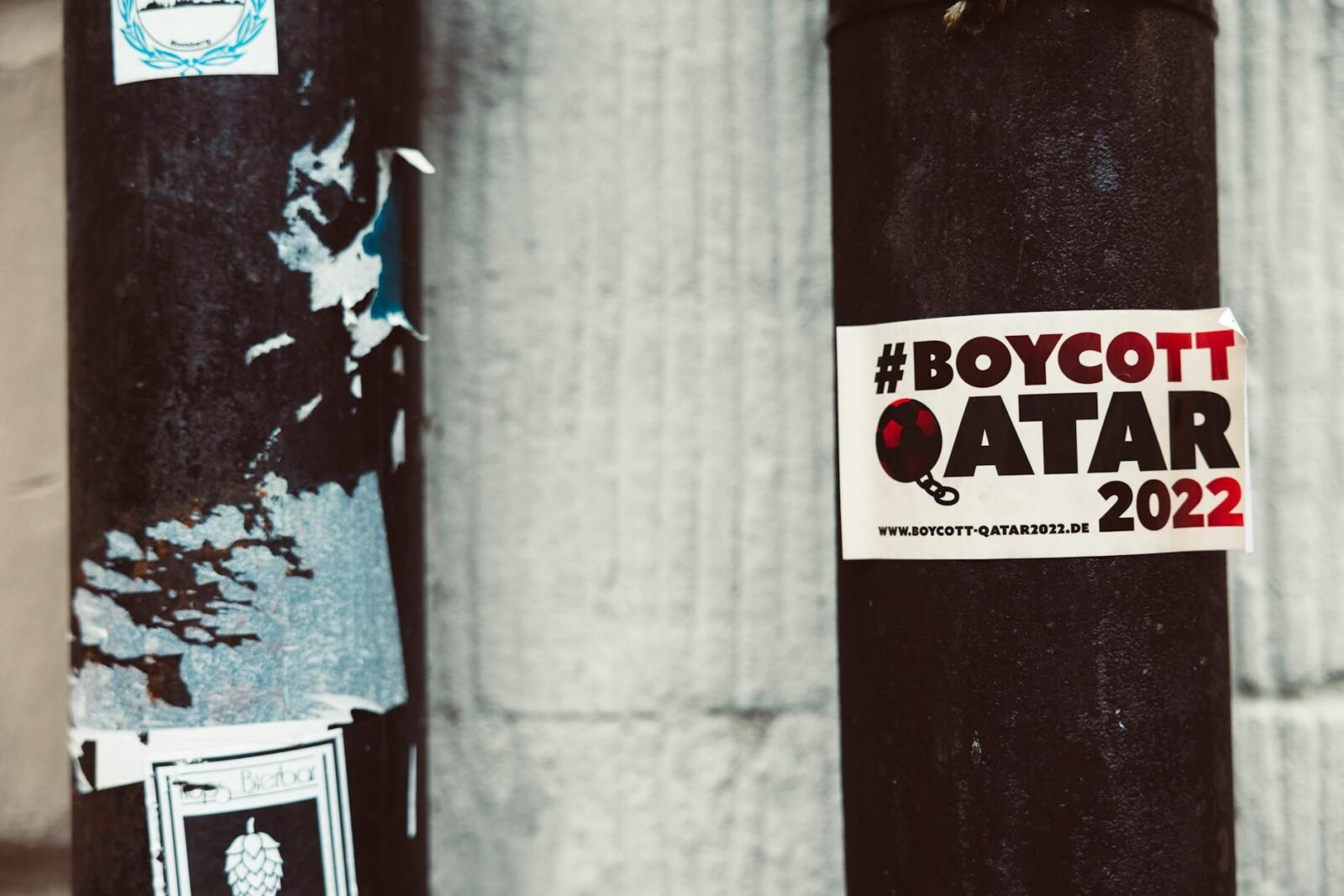
The recent announcement of Algerian-Belgian comedian Nawell Madani’s performance in Morocco has sparked widespread outrage among Moroccans, leading to calls for a boycott. This controversy has its roots in past statements made by Madani, which many perceive as offensive towards Moroccan women. The boycott movement, largely driven by social media platforms, has gained significant momentum, with many Moroccans expressing their discontent and urging others to join in the boycott.
Background: Nawell Madani and the Controversial Statements
Nawell Madani, known for her comedic performances, has faced backlash in the past for her comments on various topics, including those related to Morocco and its people. The broadcast of old television statements where she associated Moroccan women with derogatory remarks reignited the fire, making her upcoming performance in Morocco a point of contention. Many view her comments as disrespectful and insensitive, fueling the desire to boycott her show.
The Role of Social Media in the Boycott
Social media platforms have played a pivotal role in amplifying the voices of those calling for the boycott. Instagram, in particular, has been a key outlet where news outlets like Morocco World News have shared updates on the controversy, further spreading awareness and encouraging others to join the movement. The hashtag #BoycottNawellMadani has become a rallying point, allowing individuals to express their support for the boycott and share their reasons for doing so.
Public Reaction and the Impact on Nawell Madani’s Performance
- Many Moroccans have taken to social media to express their outrage and disappointment over Madani’s comments, emphasizing the importance of respecting all women, regardless of their nationality.
There have been calls not only to boycott Madani’s show but also to reconsider her invitation to perform in Morocco, citing the need to stand against disrespect and misogyny.
- The controversy has also sparked debates about freedom of speech, cultural sensitivity, and the impact of words on different communities.
Cultural Sensitivity and the Power of Words
The Nawell Madani controversy highlights the importance of cultural sensitivity, especially for public figures whose words can have a significant impact on their audiences. The power of comedy to unite and entertain is undeniable, but it must be wielded responsibly, avoiding harm to any group. This incident serves as a reminder that comedians, like all public figures, must be mindful of their statements and their potential consequences.
Conclusion: The Future of the Boycott and Its Implications
The call to boycott Nawell Madani’s performance in Morocco reflects a broader desire for respect and dignity, not just for Moroccan women but for all individuals who have been marginalized or offended by her comments. As the situation unfolds, it will be crucial to consider the long-term implications of such boycotts on freedom of expression, cultural exchange, and community relations. The hope is that this controversy can serve as a catalyst for more thoughtful and considerate public discourse.
FAQ: Understanding the Boycott Nawell Madani Movement
- Q: Why are Moroccans calling to boycott Nawell Madani? Moroccans are calling for a boycott due to past offensive comments made by Madani about Moroccan women.
- Q: Where is Nawell Madani scheduled to perform? She is scheduled to perform at Mohammed V Theatre in Rabat, Morocco.
- Q: How has social media contributed to the boycott movement? Social media platforms, particularly Instagram, have been instrumental in spreading awareness and mobilizing support for the boycott.