
In a significant move that highlights the ongoing tension between traditional finance and the burgeoning digital asset sector, a powerful coalition of U.S. banking groups is urging the Treasury Department to apply the brakes on the rapid implementation of the Guiding and Establishing National Innovation for U.S. Stablecoins (GENIUS) Act. Their primary concern? The sheer complexity and interconnectedness of proposed stablecoin regulations, which they argue are being rushed without a foundational framework in place.
The GENIUS Act: A Regulatory Jigsaw Puzzle
Enacted last year, the GENIUS Act aims to establish a comprehensive regulatory framework for stablecoins, a critical component of the cryptocurrency ecosystem. However, the path to its full implementation by the 2027 deadline is proving to be anything but straightforward. The U.S. banking industry, represented by influential bodies like the American Bankers Association (ABA) and the Bank Policy Institute (BPI), contends that multiple federal agencies are simultaneously advancing rules that are intrinsically linked, creating a regulatory labyrinth.
A Call for Cohesion: The OCC’s Pivotal Role
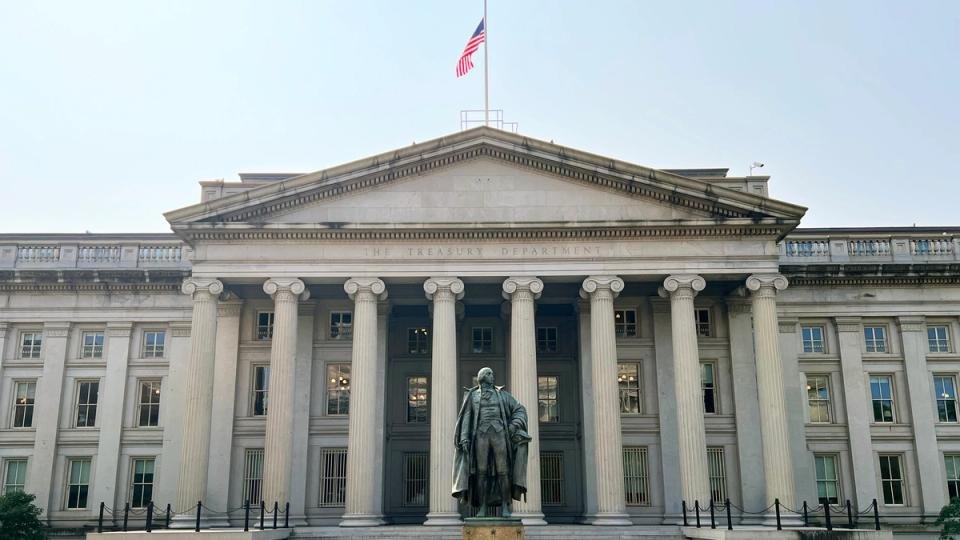
At the heart of the banks’ appeal is the unfinished work of the Office of the Comptroller of the Currency (OCC). Bankers argue that the regulatory efforts from the Treasury Department, the Federal Deposit Insurance Corporation (FDIC), the Office of Foreign Assets Control (OFAC), and the Financial Crimes Enforcement Network (FinCEN) are “directly contingent on the OCC’s final framework” for policing stablecoin issuers. Without this foundational OCC rule, they assert, it’s exceedingly difficult to provide comprehensive and useful feedback on other proposals.
The banking associations have formally requested an extension of at least 60 days for the comment periods on three distinct GENIUS Act rule proposals, to commence only after the OCC’s framework is finalized. This pause, they believe, would allow for a more holistic evaluation of the “extraordinary scope and complexity” of the collective regulatory work, which also includes anticipated proposals from the Federal Reserve and other agencies.
Industry Friction and Future Implications
This request for a slowdown is not an isolated incident but rather a symptom of the broader regulatory tug-of-war between the traditional banking sector and the crypto industry. The same banking groups are already deeply involved in a separate stablecoin-related debate that has reportedly delayed the Digital Asset Market Clarity Act for months, potentially jeopardizing its passage this year.
While federal agencies are known to grant extensions on complex rulemakings, the Treasury Department has yet to respond to the banking industry’s latest plea. The outcome of this request will not only shape the future of stablecoin regulation but also underscore the challenges of integrating innovative digital assets into an established financial system grappling with an evolving regulatory landscape.
For more details, visit our website.
Source: Link