
Introduction to Amnesia Rat
The term ‘amnesia rat’ can refer to two vastly different concepts. In the context of the Amnesia video game series, rats are enemies that players must avoid or deter. However, ‘Amnesia RAT’ also refers to a malware family designed for data theft and real-time control. This article delves into both aspects, exploring their characteristics, implications, and how they operate.
Amnesia Rat in the Amnesia Game Series
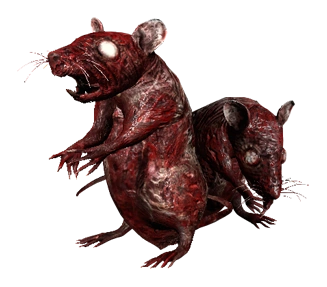
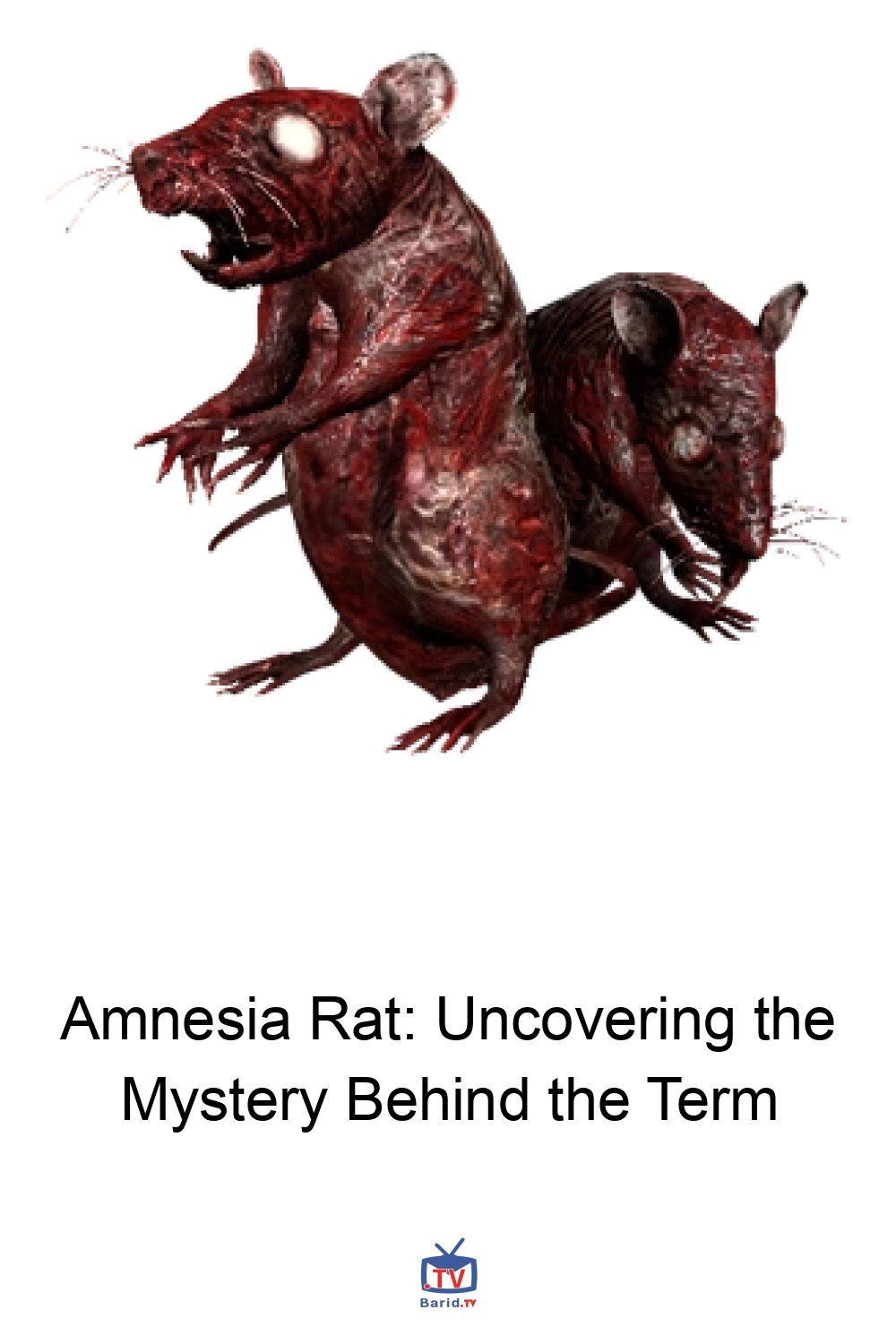
In the Amnesia game series, particularly in Amnesia: The Bunker, rats are portrayed as vermin or rodents that the player, Henri Clément, must avoid. These rats are aggressive and will bite the player if approached too closely, posing a threat to the player’s health and progression in the game. Strategies for dealing with these rats include using items such as torches, meat, flares, or gas to deter or disperse them.
- Torches: Can be used to scare rats away, providing a temporary solution to navigate through rat-infested areas.
- Meat: Placing meat can distract rats, allowing the player to bypass them.
- Flares: Similar to torches, flares can be used to scare rats and create a safe path.
- Gas: In some cases, gas can be used to clear areas of rats, though this method might have additional consequences in the game environment.
Amnesia RAT Malware
Amnesia RAT is a malicious software tool written in Python, designed for broad, multi-category data theft and real-time control. It is part of a larger category of Remote Access Trojans (RATs) that allow attackers to access and control victim computers remotely. Amnesia RAT has been involved in multi-stage phishing campaigns, particularly targeting users in Russia, where it is deployed alongside ransomware to steal data and extort money from victims.
The use of Amnesia RAT in phishing campaigns highlights the evolving threat landscape of cybercrime, where attackers use sophisticated tools to breach security measures and gain unauthorized access to sensitive information. The fact that Amnesia RAT is written in Python and can be distributed through platforms like GitHub and Dropbox, underscores the ease with which malware can be disseminated and the importance of robust cybersecurity practices.
Implications of Amnesia RAT Attacks
The deployment of Amnesia RAT and similar malware poses significant risks to individuals and organizations. These risks include data theft, where sensitive information such as login credentials, financial data, and personal identifiable information can be stolen. Additionally, the real-time control aspect of Amnesia RAT allows attackers to monitor and manipulate the victim’s computer, potentially leading to further malicious activities such as ransomware attacks, where data is encrypted and held for ransom.
- Data Theft: Amnesia RAT can steal a wide range of data, from login credentials to financial information.
- Real-Time Control: Allows attackers to monitor and control the victim’s computer, facilitating additional malicious activities.
- Ransomware Attacks: Often deployed in conjunction with Amnesia RAT, ransomware encrypts data and demands payment for decryption keys.
Conclusion
The term ‘amnesia rat’ encompasses two distinct entities: the in-game enemy from the Amnesia series and the Amnesia RAT malware. While the in-game rats pose a threat within the virtual environment, Amnesia RAT represents a real and significant threat to cybersecurity. Understanding these threats, whether in the context of gaming or cybersecurity, is crucial for developing strategies to mitigate their impacts. For gamers, this means learning how to navigate and deter in-game rats effectively. For individuals and organizations, it involves adopting robust cybersecurity practices to prevent and respond to malware attacks like those involving Amnesia RAT.
FAQ
Q: What is Amnesia Rat in the context of the Amnesia game series?
A: In the Amnesia game series, rats are aggressive enemies that the player must avoid or deter to progress through the game.
Q: What is Amnesia RAT malware?
A: Amnesia RAT is a Remote Access Trojan written in Python, designed for data theft and real-time control over victim computers.
Q: How is Amnesia RAT typically deployed?
A: Amnesia RAT is often deployed through multi-stage phishing campaigns, which can involve fake business documents, abuse of platforms like GitHub and Dropbox, and the disablement of security software like Microsoft Defender.