
The Digital Divide: Data Centers Confront a Mounting Public Relations Challenge
In an era where digital connectivity is as vital as electricity, the sprawling infrastructure that powers our online lives—data centers—is facing an increasingly critical public eye. Once largely invisible, these colossal hubs of servers and cooling systems are now under intense scrutiny, prompting executives across the industry to fret over a rapidly deteriorating public image.
The Unseen Giants: Powering Our Digital Lives
From streaming our favorite shows to processing financial transactions and fueling AI advancements, data centers are the silent workhorses of the internet. They are indispensable for modern society, housing the vast amounts of data and computing power that drive everything from global communications to local businesses. Their growth has been exponential, mirroring the world’s insatiable demand for digital services.
A Cloud of Controversy: Environmental and Social Scrutiny
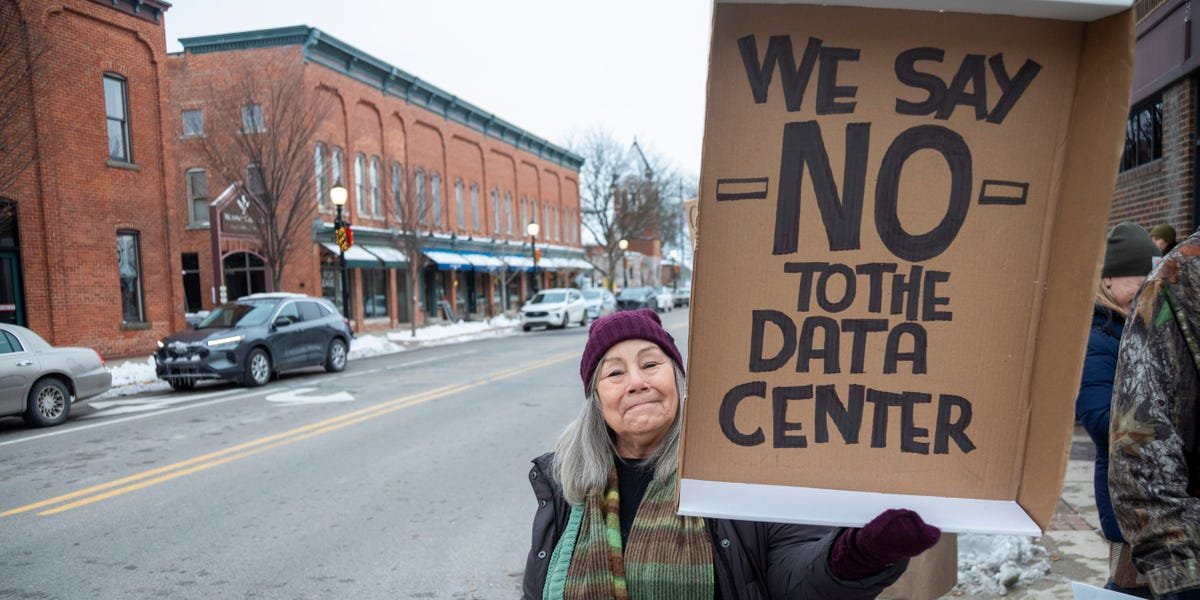
Despite their undeniable importance, data centers are increasingly being cast in a negative light, primarily due to their significant environmental footprint and local impact. This shift in public perception is forcing industry leaders to confront difficult questions about their operational practices.
Energy Consumption: The Power-Hungry Beast
Perhaps the most prominent concern is the immense energy appetite of data centers. They consume vast amounts of electricity, often drawing power from grids still heavily reliant on fossil fuels. Critics point to this as a major contributor to carbon emissions, challenging the industry to prove its commitment to sustainability beyond mere rhetoric.
Water Usage: A Thirsty Industry
Beyond energy, the substantial water requirements for cooling these facilities are also drawing fire. In regions facing water scarcity, the sight of new data centers consuming millions of gallons daily for their cooling towers is sparking local outrage and environmental protests, painting the industry as an unsustainable drain on precious resources.
Land and Noise Pollution: Local Impacts
The sheer scale of modern data centers also means they occupy significant tracts of land, often in areas previously earmarked for agriculture or natural habitats. Furthermore, the constant hum of cooling systems and generators can contribute to noise pollution, impacting nearby communities and further fueling local opposition.
Industry’s Response: Towards a Greener Future?
Recognizing the gravity of the situation, data center executives are not standing idly by. Many are actively pursuing strategies to mitigate their environmental impact and improve community relations. This includes significant investments in renewable energy sources, developing more efficient cooling technologies, and exploring innovative approaches like heat reuse to benefit local districts.
Companies are also becoming more transparent about their sustainability metrics, setting ambitious carbon-neutral goals, and engaging in dialogue with local stakeholders to address concerns proactively. The push for ‘green data centers’ is no longer a niche aspiration but a mainstream imperative.
Rebuilding Trust: A PR Challenge
Ultimately, the challenge for the data center industry extends beyond technological innovation; it’s a battle for public trust and acceptance. Effective communication, demonstrating tangible progress in sustainability, and fostering genuine community partnerships will be crucial. The narrative needs to shift from one of environmental burden to one of responsible innovation and essential service provision.
Conclusion
The digital age demands robust infrastructure, but it also demands responsibility. Data center executives are at a pivotal juncture, tasked with navigating rapid technological advancement while simultaneously addressing a growing chorus of environmental and social concerns. Their ability to adapt, innovate, and communicate their commitment to a sustainable future will determine not only their public image but also the long-term viability of the industry itself.
For more details, visit our website.
Source: Link