





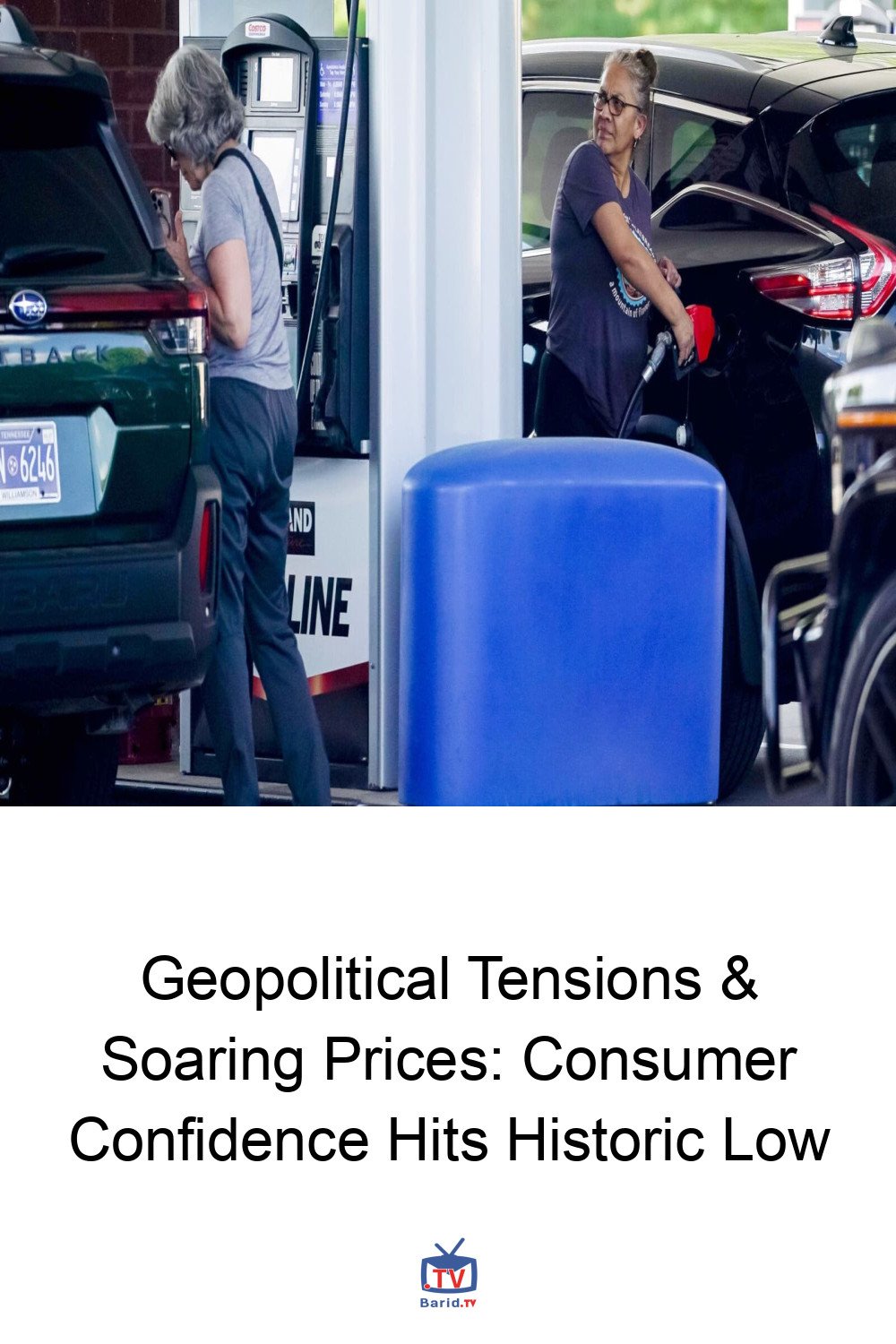
Consumer Confidence Plummets: Geopolitical Tensions Fuel Record Low Sentiment and Soaring Inflation Fears
American consumer confidence has plunged to an unprecedented low in April, as escalating fears surrounding the Iran conflict and a sharp rise in energy prices cast a long shadow over the economic outlook. A recent University of Michigan survey paints a grim picture, revealing a populace increasingly anxious about their financial future and the broader stability of the economy.
A Historic Drop in Consumer Sentiment
The University of Michigan’s closely watched headline index of consumer sentiment tumbled to a staggering 47.6, marking a significant 10.7% decline from its March reading and reaching its lowest point on record. Both the current conditions and expectations indexes mirrored this downturn, experiencing double-digit monthly drops. This dramatic fall underscores a profound shift in public perception, reflecting widespread unease across various economic indicators.
Inflation Expectations Reach Alarming Levels
Compounding the crisis in confidence is a sharp spike in inflation expectations. Survey respondents now anticipate prices to rise by 4.8% over the next year, a full percentage point increase from March’s figures and a level not seen in years. This surge in inflationary fears is particularly concerning, as it directly impacts purchasing power and household budgets. The Bureau of Labor Statistics further reinforced these concerns, reporting a 0.9% rise in its all-items consumer price index for March, pushing the 12-month inflation rate to 3.3%. Officials attributed the bulk of this increase to soaring energy prices, while food inflation remained relatively stable.
The Shadow of the Iran Conflict
Joanne Hsu, the survey’s director, highlighted that a significant portion of consumer anxiety is directly linked to the Iran conflict. “Survey comments show that many consumers blame the Iran conflict for unfavorable changes to the economy,” Hsu noted. It’s crucial to consider, however, that most interviews for the survey were conducted before the April 7 ceasefire, meaning the results largely reflect conditions and anxieties from March.
Looking Ahead: A Glimmer of Hope?
Despite the current bleak outlook, there remains a cautious optimism for future improvement. Hsu suggested that “economic expectations will likely improve after consumers gain confidence that the supply disruptions stemming from the Iran conflict have ended and gas prices have moderated.” This sentiment is echoed by the five-year inflation outlook from the University of Michigan survey, which, while moving higher to 3.4% (a 0.2 percentage point monthly increase), remains a percentage point below the level recorded a year ago. The path to recovery, however, hinges heavily on the resolution of geopolitical tensions and the stabilization of global energy markets.
For more details, visit our website.
Source: Link







Leave a comment