




Humanity’s Return to the Moon: Artemis II Charts a New Course
More than half a century after Apollo 17 marked humanity’s last footsteps on the lunar surface in 1972, NASA is once again reaching for the stars. Under the ambitious banner of its Artemis program, a namesake echoing Apollo’s twin sister in Greek mythology, the agency is not merely aiming for a fleeting visit but a sustainable presence near the Moon. This monumental endeavor seeks to establish a lasting foothold, paving the way for future exploration and, notably, to send the first woman to walk on the Moon.
Artemis II: A Historic Lunar Flyby
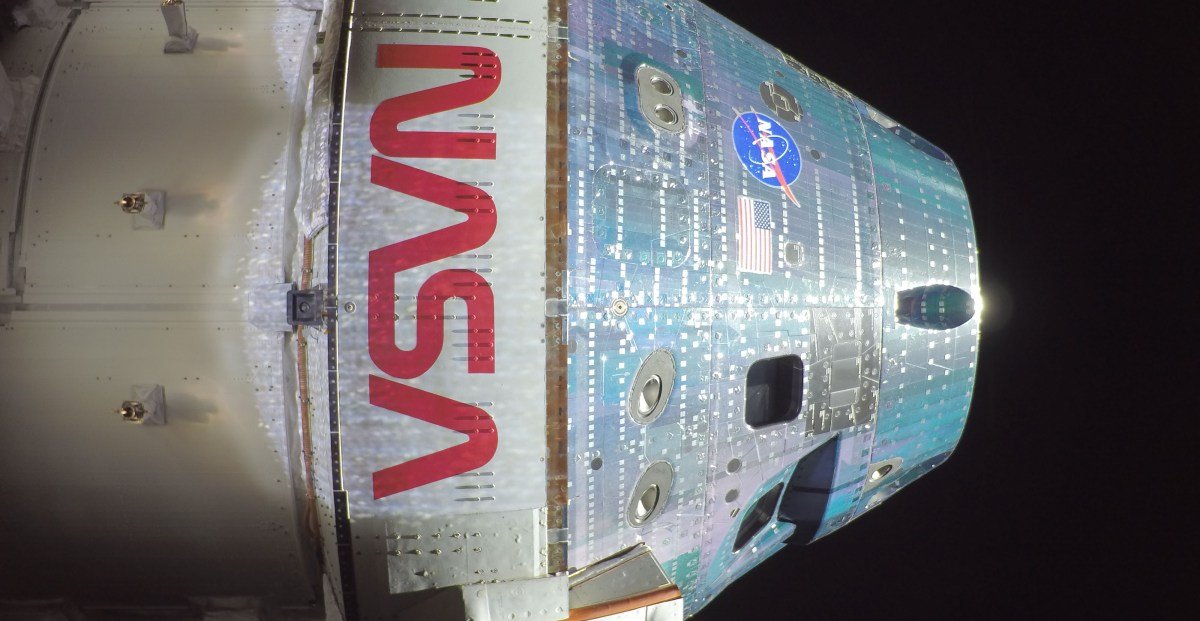
Following the successful uncrewed Artemis I mission in 2022, the world watched with bated breath as Artemis II launched on April 2nd, 2026, from Kennedy Space Center. Aboard the Orion capsule were four courageous astronauts, embarking on a 10-day journey to orbit the Moon and return to Earth. This mission is far more than a ceremonial trip; it is a critical testbed for the hardware and systems that will eventually enable humans to stand on the Moon again, a feat anticipated with the Artemis IV mission slated for 2028.
During its groundbreaking voyage, Artemis II achieved several significant milestones. The crew set a new distance record from Earth, venturing 252,756 miles away, further than any human has traveled in decades. This journey included a dramatic flyby of the Moon’s far side, a region unseen by human eyes since the Apollo era.
Breathtaking Vistas from Deep Space
The astronauts of Artemis II have not only pushed the boundaries of human exploration but have also delivered unparalleled visual spectacles. From the depths of space, they captured stunning images, including a total solar eclipse that appeared almost too perfect, with the Moon’s crisp, uneven edges framed by bright stars. Another poignant photograph mirrored the iconic “Earthrise” image from Apollo 8, showing a portion of Earth cloaked in shadows, majestically setting beyond the lunar horizon. These “wallpaper-worthy” photos, with their “out of this world black levels,” have captivated audiences and even inspired discussions about future smartphone camera technology.
Precision and Piloting: The Journey Home
Guiding the Orion capsule through the vast expanse of space and back to Earth has been the crucial role of the European Space Agency’s (ESA) European Service Module. Its 33 engines meticulously kept Orion on its trajectory, demonstrating remarkable precision. The crew also engaged in manual piloting tests, showcasing their command over the sophisticated spacecraft. The mission culminated in a planned splashdown off the coast of San Diego on Friday, April 10th, marking the successful return of the crew after their historic lunar flyby.
Paving the Way for Humanity’s Lunar Future
With Artemis II successfully completed, the focus now shifts to the next phases of the program. While Artemis III is currently slated for 2027, the ultimate goal of returning humans to the lunar surface is firmly set for Artemis IV in 2028. These missions are foundational to NASA’s vision of a sustained human presence, not just for scientific discovery but as a stepping stone for future deep-space exploration.
Beyond the Astronauts: Your Role in Space Exploration
While few may experience the thrill of a lunar mission firsthand, opportunities exist for public involvement in advancing space travel. Navy researchers, for instance, are actively seeking volunteers to study how the human brain and inner ear respond to motion and space motion sickness. Participants can contribute by undergoing tests in an Air Force centrifuge, experiencing up to three times Earth’s gravity, and helping to refine mitigation techniques for future astronauts. This initiative underscores that the journey to the Moon is a collective human endeavor, extending far beyond the spacecraft itself.
A New Era of Lunar Exploration
The Artemis II mission stands as a testament to human ingenuity and our enduring drive to explore. It represents a critical leap forward in NASA’s ambitious plan to return humanity to the Moon, not just for a fleeting visit, but to establish a permanent gateway to the cosmos. As the Orion capsule splashes down, it closes one chapter of an incredible journey and opens another, bringing us closer than ever to a future where the Moon is once again a vibrant frontier for human endeavor.
For more details, visit our website.
Source: Link






Leave a comment