




Introduction to Barid TV
Barid TV, more commonly known as Baird Television, refers to the pioneering work in early television history, particularly focusing on the life and inventions of John Logie Baird. This Scottish inventor, electrical engineer, and innovator marked his place in history by demonstrating the world’s first mechanical television system on 26 January 1926.
The Early Days of Television: The Baird Televisor
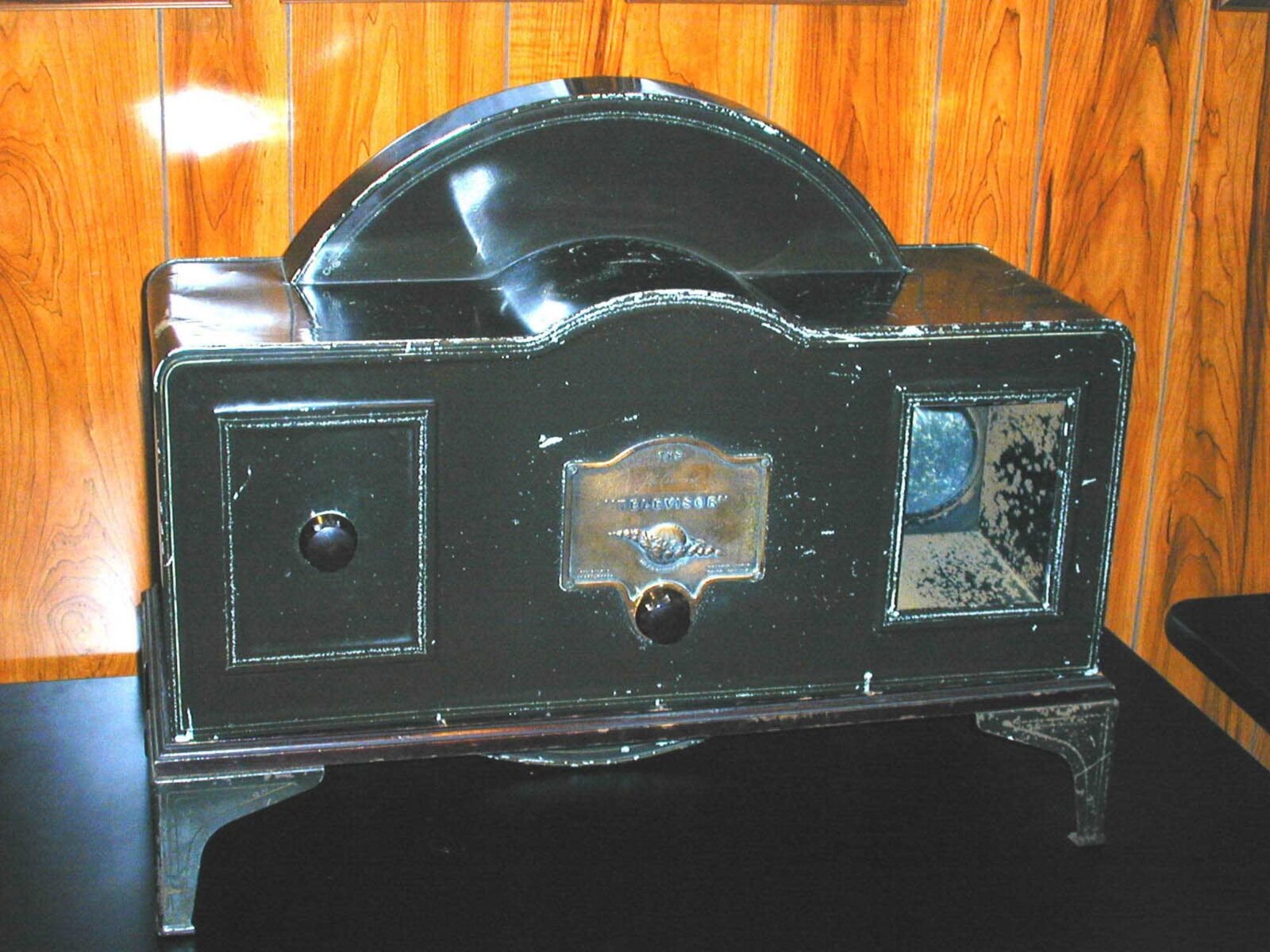
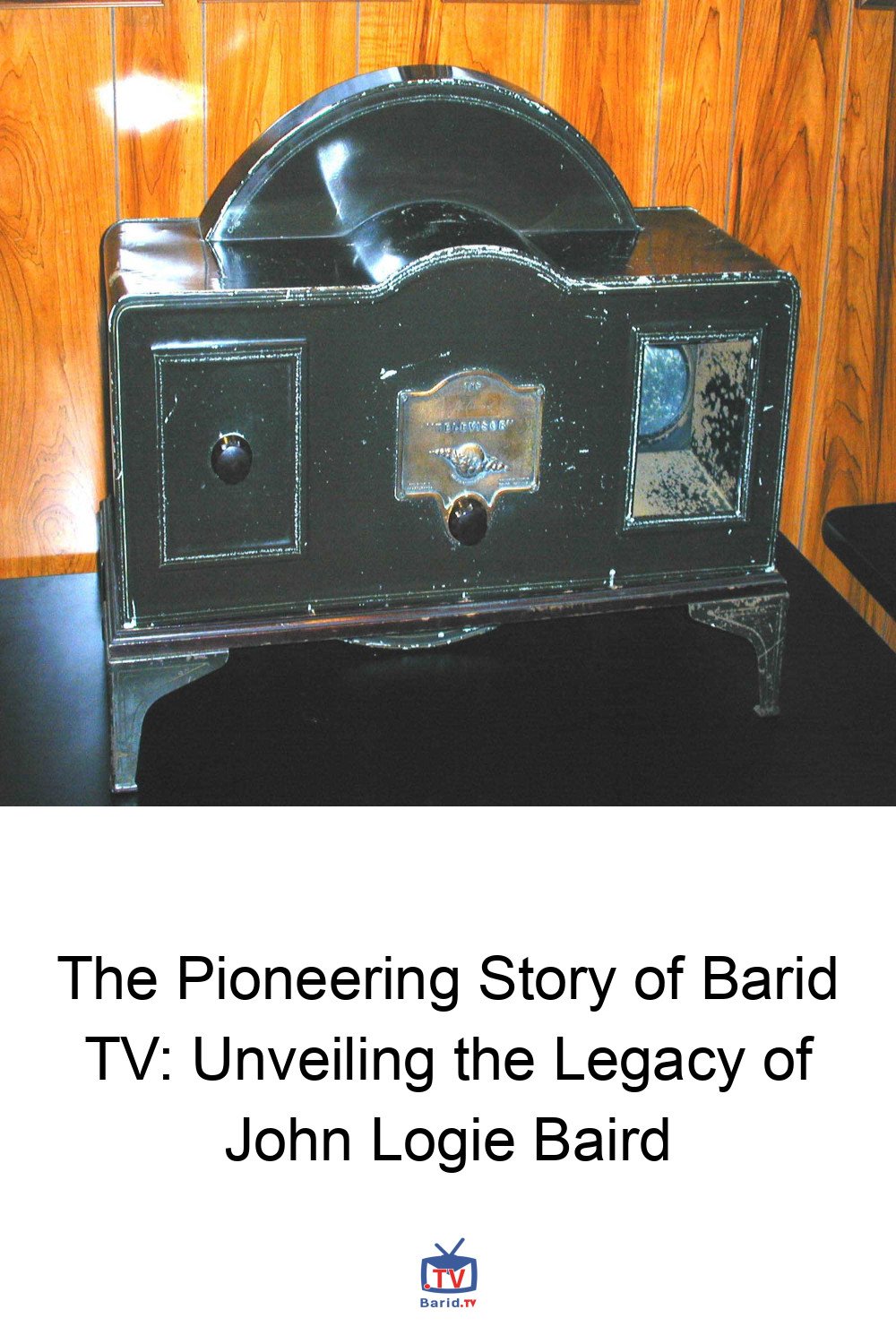
The Baird Televisor was a significant milestone in television history. Manufactured by Plessey in England from 1929 through the early 1930s, it was the first television receiver sold to the public. This device not only showcased the potential of television technology but also paved the way for further innovations in the field. The Televisor, designed by John Logie Baird, was the first television receiver to be commercialized in Europe, making it an important part of the continent’s television history.
John Logie Baird: The Father of Television
John Logie Baird was born in 1888 in Helensburgh, Scotland. His interest in electrical engineering and his innovative spirit led him to conduct extensive research in the field of television. Baird’s demonstration of the first mechanical television system in 1926 was a groundbreaking moment. He used a ventriloquist’s dummy named ‘Stooky Bill’ as the subject in his first public demonstration of a live, moving image. This event marked the beginning of the television era and positioned Baird as a key figure in its development.
The Transition: Abandoning the Baird System
Despite the initial success and the historical significance of the Baird system, the BBC eventually decided to abandon it in favor of an all-electronic television system. This transition took place over four years and was influenced by several factors, including the superior quality of electronic television systems and the difficulty in improving the mechanical system further. The decision to move away from the Baird system was crucial for the advancement of television technology, as it allowed for the development of more efficient, high-quality electronic systems that could meet the growing demands of the public for better television services.
Why the Baird System Was Abandoned
- Technological Limitations: The mechanical nature of the Baird system imposed significant limitations on its potential for improvement. The system relied on spinning disks to capture and display images, which limited its resolution and made it prone to mechanical failures.
- Electronic Television Advancements: Meanwhile, electronic television systems were rapidly advancing. These systems offered higher image quality, were more reliable, and could broadcasts signals over longer distances without significant degradation.
- Economic Considerations: The cost of maintaining and upgrading the mechanical system, compared to the potential of electronic systems, also played a role in the decision to abandon the Baird system.
Legacy of John Logie Baird and Barid TV
John Logie Baird’s contributions to the development of television are undeniable. His innovative spirit and perseverance in the face of numerous challenges paved the way for the modern television systems we enjoy today. The story of Barid TV, or Baird Television, serves as a reminder of the importance of innovation and the impact that pioneers like Baird have on shaping the technological landscape of the future.
Conclusion
In conclusion, the story of Barid TV is a testament to human innovation and the relentless pursuit of technological advancement. From the early demonstrations of mechanical television to the transition towards electronic systems, the legacy of John Logie Baird continues to inspire new generations of inventors, engineers, and enthusiasts. The history of Barid TV is not just about the technology itself but about the vision, dedication, and pioneering spirit of those who made it possible.
FAQ
- Q: Who was John Logie Baird?
A: John Logie Baird was a Scottish inventor, electrical engineer, and innovator who demonstrated the world’s first mechanical television system. - Q: What was the Baird Televisor?
A: The Baird Televisor was the first television receiver sold to the public, made by Plessey in England from 1929 through the early 1930s. - Q: Why was the Baird system abandoned?
A: The Baird system was abandoned due to its technological limitations, the advancements in electronic television systems, and economic considerations.







Leave a comment