




Embracing Your Skin: Understanding Crepey Skin and How to Address It
Aging is a natural part of life, and with it comes an evolution of our skin. While wrinkles and changes are a testament to a life lived, feeling confident in your skin at every stage is paramount. If you’ve noticed your skin taking on a thin, crinkled appearance, often referred to as ‘crepey skin,’ you’re certainly not alone. This common skin concern can affect various parts of the body, and understanding its causes and potential solutions can empower you to achieve a smoother, more resilient complexion.
What Exactly is Crepey Skin?
More Than Just Wrinkles: The Streamer Analogy
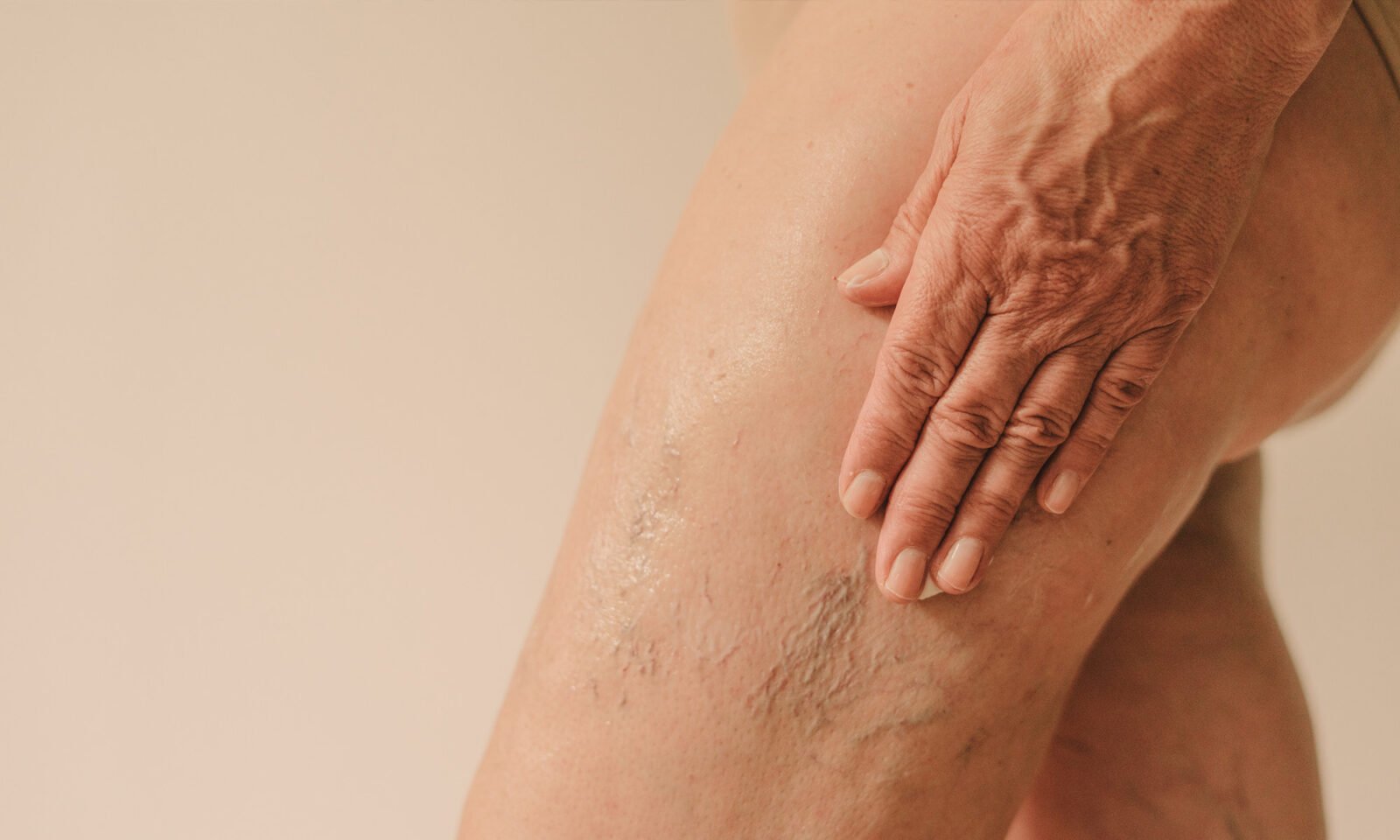
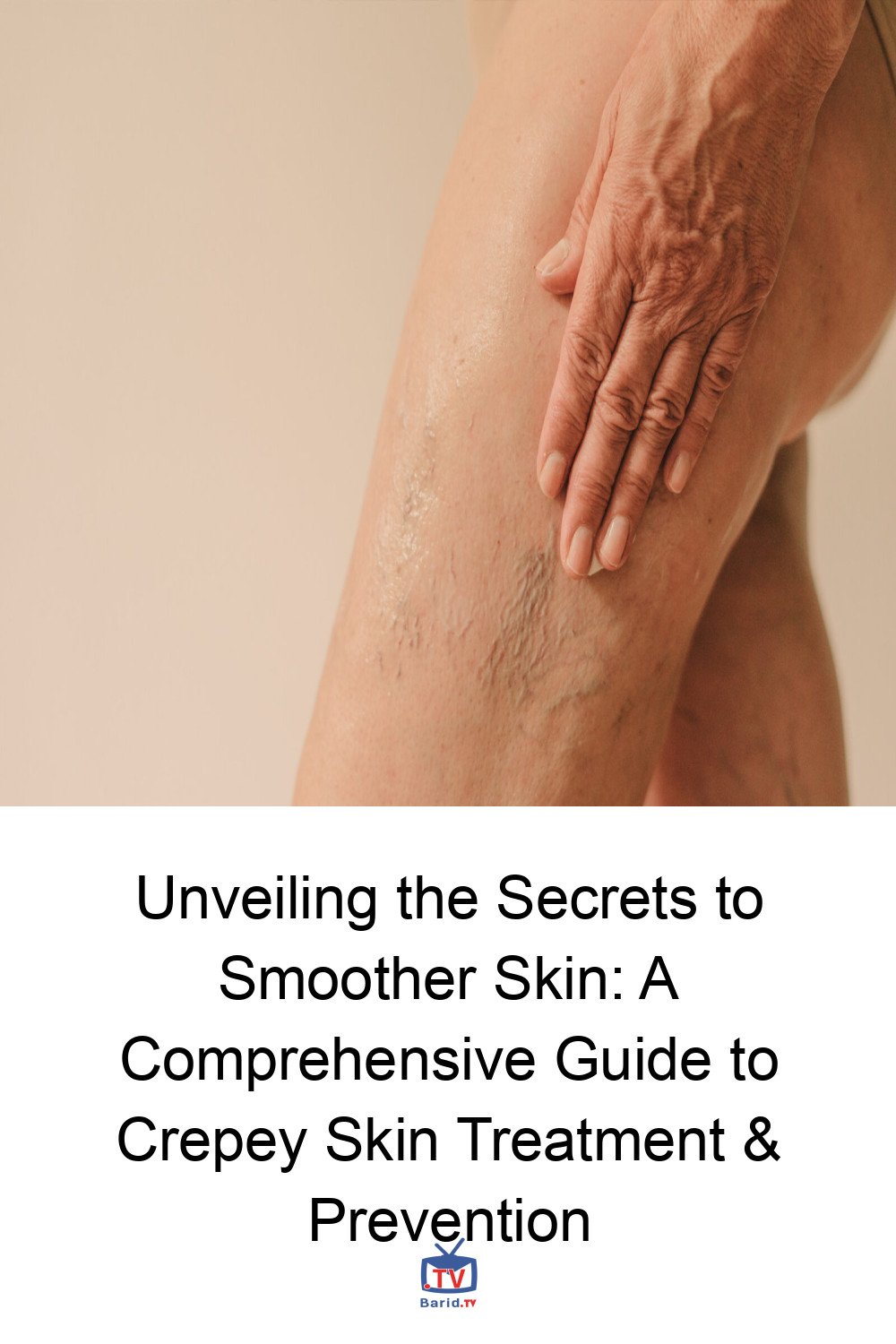
You might have heard the term ‘crepey skin’ before, but do you truly grasp its characteristics? For a vivid image, picture the delicate, crinkly texture of party streamers – thin, pliable, and lacking firm structure. This visual perfectly encapsulates the essence of crepey skin. Unlike typical fine lines or wrinkles, crepey skin presents as a widespread thinning and wrinkling of the skin, often accompanied by a loose or sagging sensation. Board-certified dermatologist Hadley King, M.D., explains that its surface lacks solid structure, much like the aforementioned decorative paper.
Distinguishing Crepey Skin from Cellulite
Understanding the Differences on Your Legs and Beyond
While both crepey skin and cellulite can appear on the legs and cause textural changes, they are fundamentally distinct. Cellulite, characterized by a dimpled or ‘orange peel’ appearance, arises when underlying fat deposits push through the connective tissue beneath the skin. Its exact cause remains complex, often linked to genetics and the intricate interaction between fat layers and connective tissue. It’s a common, natural occurrence, especially for women, and is not indicative of poor health or a ‘flaw.’ It’s crucial to remember that societal pressures and Photoshopped images often create unrealistic body image expectations around cellulite.
Crepey skin, on the other hand, relates directly to the skin’s structure itself – its thinness and elasticity. While both are natural parts of the body’s landscape, crepey skin can often be influenced and improved through targeted skincare and lifestyle adjustments, whereas cellulite is less responsive to topical interventions.
Common Areas Prone to Crepey Skin
Where Does Crepey Skin Typically Appear?
Crepey skin can manifest anywhere on the body, but areas with naturally thinner skin are particularly susceptible. These include the delicate skin around the eyelids, the upper arms, neck, chest, under-eye area, and the tops of the hands. Due to their inherent thinness, these regions may also be more sensitive to potent treatments like retinoids or strong exfoliants, necessitating a gentle approach. Furthermore, these areas are frequently exposed to environmental aggressors, especially sun, which significantly contributes to premature aging.
Unraveling the Causes of Crepey Skin
Key Factors Influencing Skin Texture
Several interconnected factors contribute to the development of crepey skin, as highlighted by Dr. King:
- Genetics: Our genetic predisposition plays a significant role in how our skin ages and its inherent elasticity.
- Skin Type: Certain skin types may be more prone to thinning and crepiness.
- Sun Exposure: Chronic and unprotected sun exposure is a primary culprit. UV radiation breaks down collagen and elastin fibers, which are crucial for skin’s firmness and elasticity, leading to premature aging and crepiness. This is particularly relevant for areas like the legs, neck, and hands that often go unprotected.
- Smoking: Nicotine and other chemicals in cigarettes constrict blood vessels, reducing oxygen and nutrient flow to skin cells. This accelerates collagen and elastin breakdown, leading to a dull, wrinkled, and crepey appearance.
- Lifestyle Factors: Limited movement and dietary choices can impact overall skin health. A diet lacking essential nutrients and antioxidants can compromise skin integrity.
- Weight Fluctuations: Significant weight gain or loss can stretch the skin. After weight loss, the skin may lose its underlying support, appearing thinner and looser, contributing to a crepey texture. This is a common observation in areas like the legs after targeted slimming.
Effective Strategies for Treating & Preventing Crepey Skin
Nourishing Your Skin for a Firmer Future
While aging is inevitable, you can certainly take proactive steps to prevent and improve the appearance of crepey skin. The goal is to support collagen and elastin production, enhance hydration, and protect your skin from further damage:
Topical Treatments: Building Blocks for Resilience
- Retinoids (Retinol, Retinaldehyde): Derivatives of Vitamin A, retinoids are gold-standard ingredients for stimulating collagen production, accelerating cell turnover, and improving skin texture. Start with lower concentrations and gradually increase to minimize irritation, especially on thinner skin areas.
- Alpha Hydroxy Acids (AHAs) & Beta Hydroxy Acids (BHAs): Glycolic acid, lactic acid, and salicylic acid gently exfoliate the skin, removing dead cells and promoting a smoother surface. This can also enhance the penetration of other active ingredients.
- Hyaluronic Acid: A powerful humectant, hyaluronic acid draws moisture into the skin, plumping it up and improving its elasticity and hydration, which can temporarily reduce the appearance of crepiness.
- Peptides: These short chains of amino acids act as messengers, signaling the skin to produce more collagen and elastin, aiding in firmness and elasticity.
- Antioxidants (Vitamin C, E, Ferulic Acid): These ingredients protect the skin from free radical damage caused by sun exposure and pollution, which contribute to collagen breakdown. Vitamin C also plays a crucial role in collagen synthesis.
- Rich Moisturizers: Regularly applying thick, emollient creams containing ingredients like ceramides, shea butter, and squalane can help reinforce the skin barrier, lock in moisture, and improve overall skin suppleness.
Lifestyle Adjustments: Holistic Skin Support
- Sun Protection is Non-Negotiable:
The single most impactful prevention strategy is consistent sun protection. Use a broad-spectrum SPF 30+ daily, even on cloudy days and on all exposed skin, including legs, arms, and hands. Seek shade and wear protective clothing.
- Hydration, Inside and Out: Drink plenty of water throughout the day to keep your skin cells plump and functioning optimally. Complement this with topical hydrators.
- Balanced Diet: Incorporate a diet rich in antioxidants, healthy fats (omega-3s), and vitamins. Foods like berries, leafy greens, fatty fish, and nuts support skin health from within.
- Regular Exercise: Improved circulation from physical activity can enhance nutrient delivery to skin cells and promote a healthy glow.
- Quit Smoking: If you smoke, quitting is one of the best things you can do for your overall health and skin appearance.
- Gentle Skincare: Avoid harsh scrubbing or overly aggressive treatments, especially on delicate crepey areas, as this can exacerbate thinning.
Professional Treatments (Brief Mention for Completeness):
For more advanced cases, dermatologists offer in-office treatments such as fractional lasers, microneedling, radiofrequency, and certain types of fillers that can stimulate collagen production and improve skin texture. Discuss these options with a qualified professional.
Embrace Your Skin’s Journey
Understanding crepey skin empowers you to make informed choices for its care. By combining consistent sun protection, a targeted skincare regimen, and a healthy lifestyle, you can significantly improve the appearance of crepey skin and maintain a radiant, confident complexion at any age. Remember, healthy skin is beautiful skin.
For more details, visit our website.
Source: Link








Leave a comment