
Trump’s Crypto Gambit: Bypassing Congress with Strategic Appointments
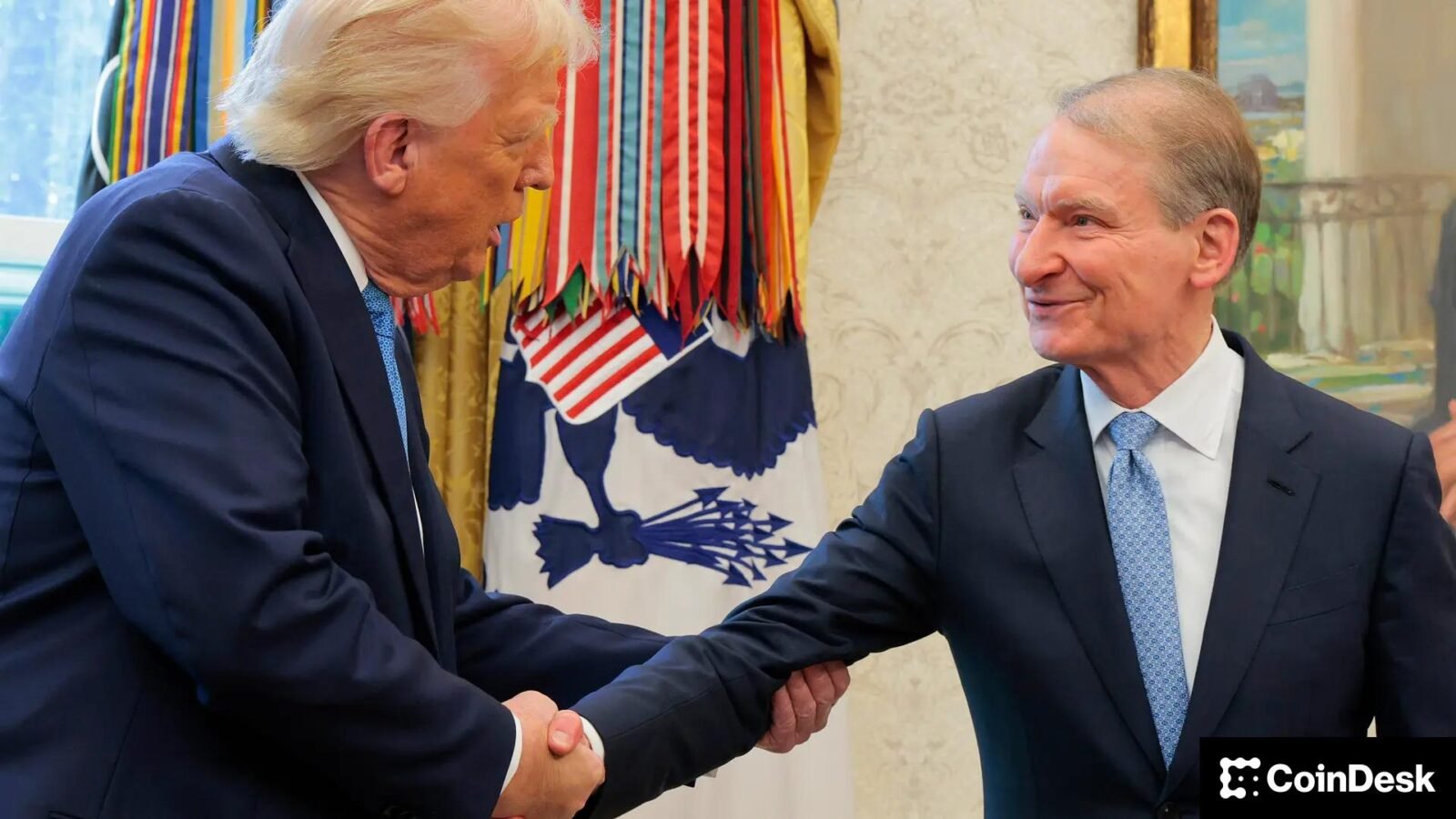
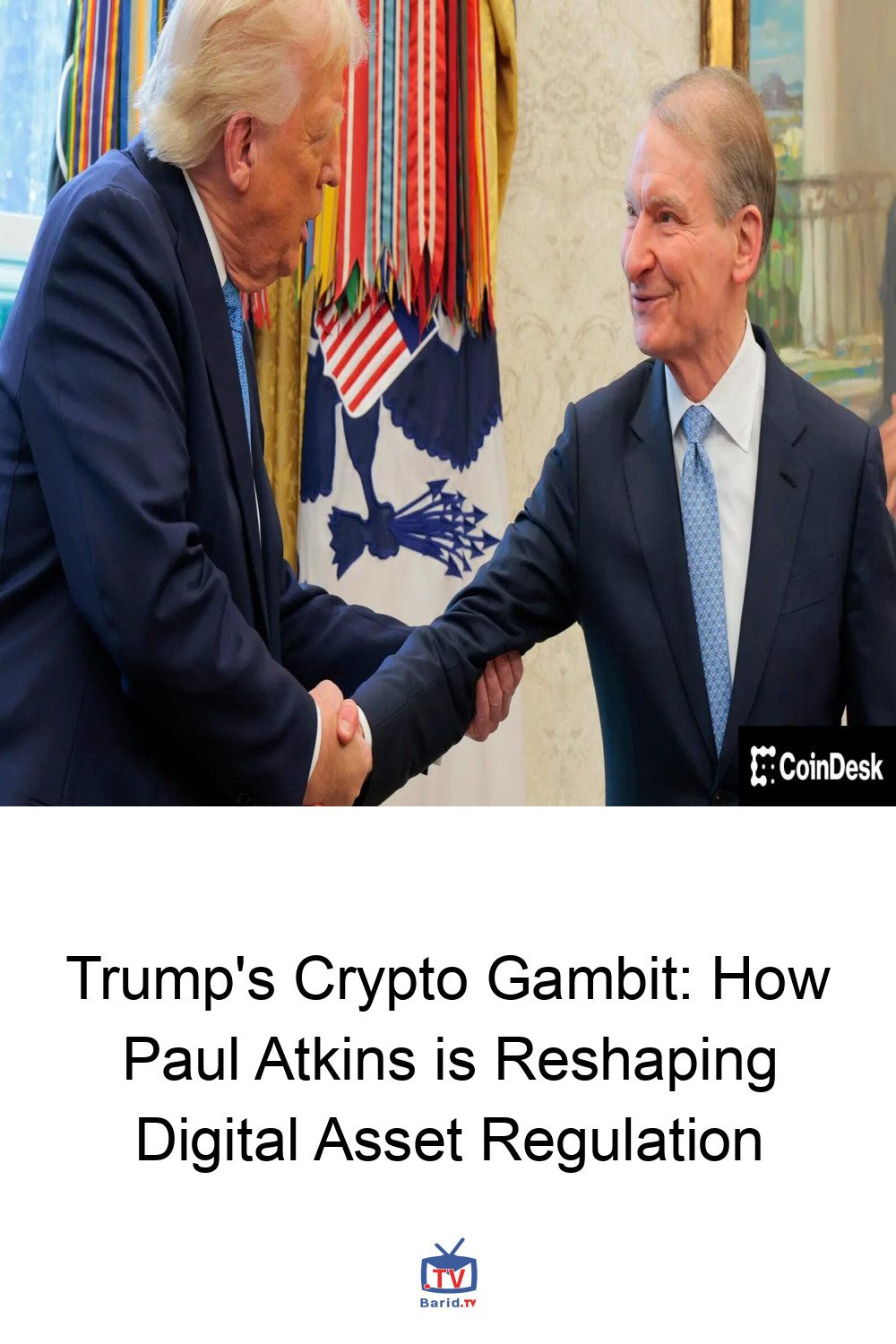
As the CLARITY Act languishes in a Capitol Hill stalemate, the Trump administration appears to be charting an alternative course for cryptocurrency regulation. Rather than awaiting legislative consensus, the focus has shifted to executive action and strategic appointments, aiming to reshape the financial system from within. At the heart of this pivot, many argue, lies one name: Paul Atkins.
The Legislative Roadblock: A Familiar Impasse
For months, the cryptocurrency industry has pinned its hopes on the CLARITY Act, market structure legislation designed to provide a robust legal framework for digital assets in the United States. Despite passing the House seven months ago, the bill has repeatedly stalled in the Senate, with numerous deadlines for its advancement slipping by unmet. This legislative gridlock has left many in the crypto community fixated on new laws as the sole catalyst for much-needed regulatory clarity in the world’s largest economy.
Beyond New Laws: The Power of Existing Authority
However, the narrative that legislation is the only path forward is increasingly being challenged. Existing laws grant broad and flexible authority to key market regulators like the Securities and Exchange Commission (SEC) and the Commodity Futures Trading Commission (CFTC). These agencies possess the power to act now, without waiting for new congressional mandates.
While fresh legislation might serve as a safeguard against future regulatory approaches akin to Gary Gensler’s tenure, the era of Gensler’s leadership at the SEC is now firmly in the past. President Donald Trump has strategically appointed a chairman perceived as industry-friendly, a stark contrast to his predecessor’s more adversarial stance. This move suggests that Trump’s most impactful contribution to the crypto landscape might simply be selecting the right leadership for the SEC.
Paul Atkins: A Veteran Hand at the Helm of the SEC
Trump’s choice for SEC Chair, Paul Atkins, is a seasoned veteran with a deep understanding of regulatory frameworks. Having served six years at the SEC in the 2000s under three different chairs, Atkins brings a wealth of experience in crafting regulations designed to withstand legal scrutiny. His subsequent roles as an advisor to prominent crypto organizations like the Chamber of Digital Commerce and Securitize further underscore his familiarity with the digital asset space.
Sworn in April 2025, Atkins wasted no time in asserting the agency’s existing authority. Weeks after his appointment, he publicly stated that the SEC possesses the necessary power to provide the crypto industry with the rulemaking it requires. When pressed by reporters on whether he needed to await congressional market-structure legislation, Atkins confidently reiterated that his staff could and would act with or without new laws. This resolute stance signals a regulator prepared to leverage the full scope of his existing mandate.
Harmonizing Regulatory Efforts: A Unified Front
Crucially, Atkins is expected to foster a new era of alignment with the CFTC, the SEC’s sister agency. This stands in stark contrast to the previous dynamic between Gary Gensler and former CFTC chief Rostin Benham, whose differing views on digital asset classification created significant friction. Benham often called for congressional action, while Gensler maintained it was unnecessary, leading to a lack of regulatory harmony essential for industry confidence.
Effective regulation demands that these agencies avoid jurisdictional disputes over digital assets. It is believed that Atkins’ measured approach to posting draft rules for public comment stems from a desire to act in concert with the CFTC. The recent appointment of Michael Selig as the new CFTC helmsman in late December, following a shift in Trump’s initial plans for the agency’s leadership, is seen as a move to ensure this crucial inter-agency cooperation. An official memorandum of understanding delineating responsibilities, reminiscent of the historic Shadd-Johnson accord of 1981, is anticipated soon.
The Dawn of a New Regulatory Landscape
Under this harmonized leadership, significant progress is expected. By this fall, “Project Crypto” is projected to submit draft rules—each developed in consultation with the other agency—to their respective commissions. These rules, after public comment and amendment, are likely to be finalized by next spring. This administration is poised to be the first to genuinely craft regulations with decentralized financial networks in mind.
These forthcoming rules could usher in a new era of legitimacy for major exchanges like Kraken, Coinbase, and Crypto.com, allowing them to fully register their operations and operate under clear state supervision. Furthermore, new enterprises may find it easier to raise capital through token sales. Crucially, these tokens could potentially grant entrepreneurs rights previously avoided during the “regulation-by-enforcement” era, such as the ability to distribute revenue.
Provided these regulations are meticulously crafted to withstand legal challenges, the crypto industry stands at a pivotal moment. The ball is now firmly in its court; the primary challenge will be to avoid another major implosion akin to FTX, which could derail this promising path to clarity and innovation.
For more details, visit our website.
Source: Link