
The Unseen Threat: Why Air Safety Advocates Are Sounding the Alarm
In the complex world of aviation, where split-second decisions and advanced technology converge to ensure millions of safe journeys daily, a new legislative debate is stirring concern among air safety advocates. At the heart of the matter is a recent Republican proposal that, according to these experts, fails to adequately mandate the crucial collision warning systems essential for modern airline jets, potentially leaving a critical gap in airborne protection.
The Mandate Gap: A Closer Look at the Proposal’s Shortcomings
The controversy centers on the perceived lack of a clear, unequivocal requirement within the GOP’s proposed legislation for all commercial aircraft to be equipped with state-of-the-art collision avoidance technology. While existing regulations and industry practices often encourage or require certain systems, advocates argue that a direct, federal mandate is indispensable to eliminate any ambiguities and ensure universal compliance across the entire fleet.
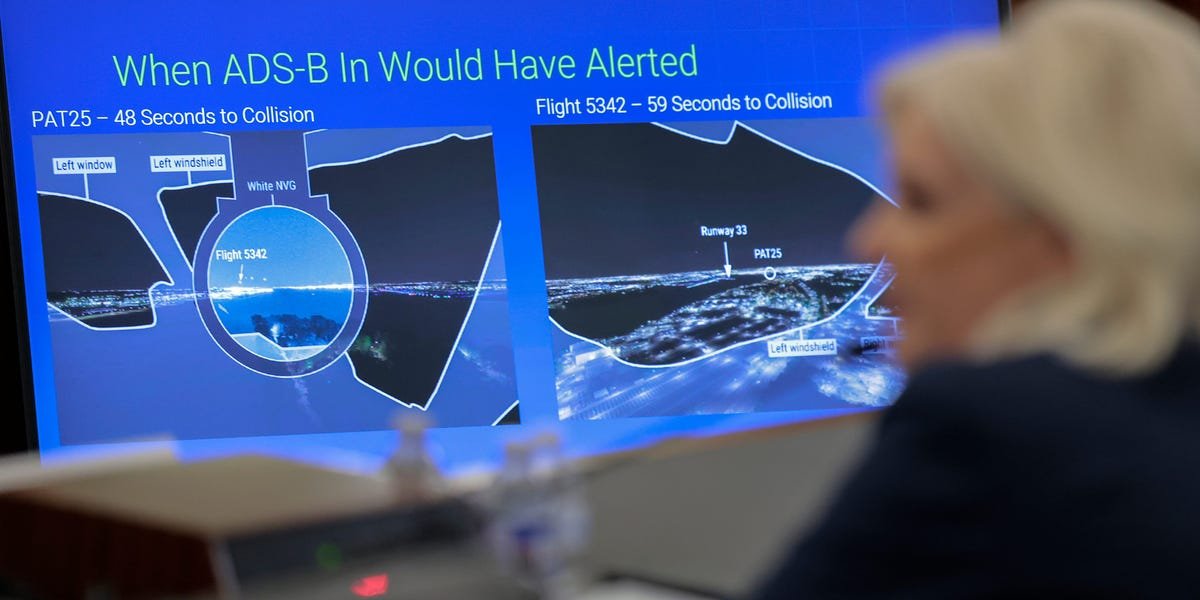
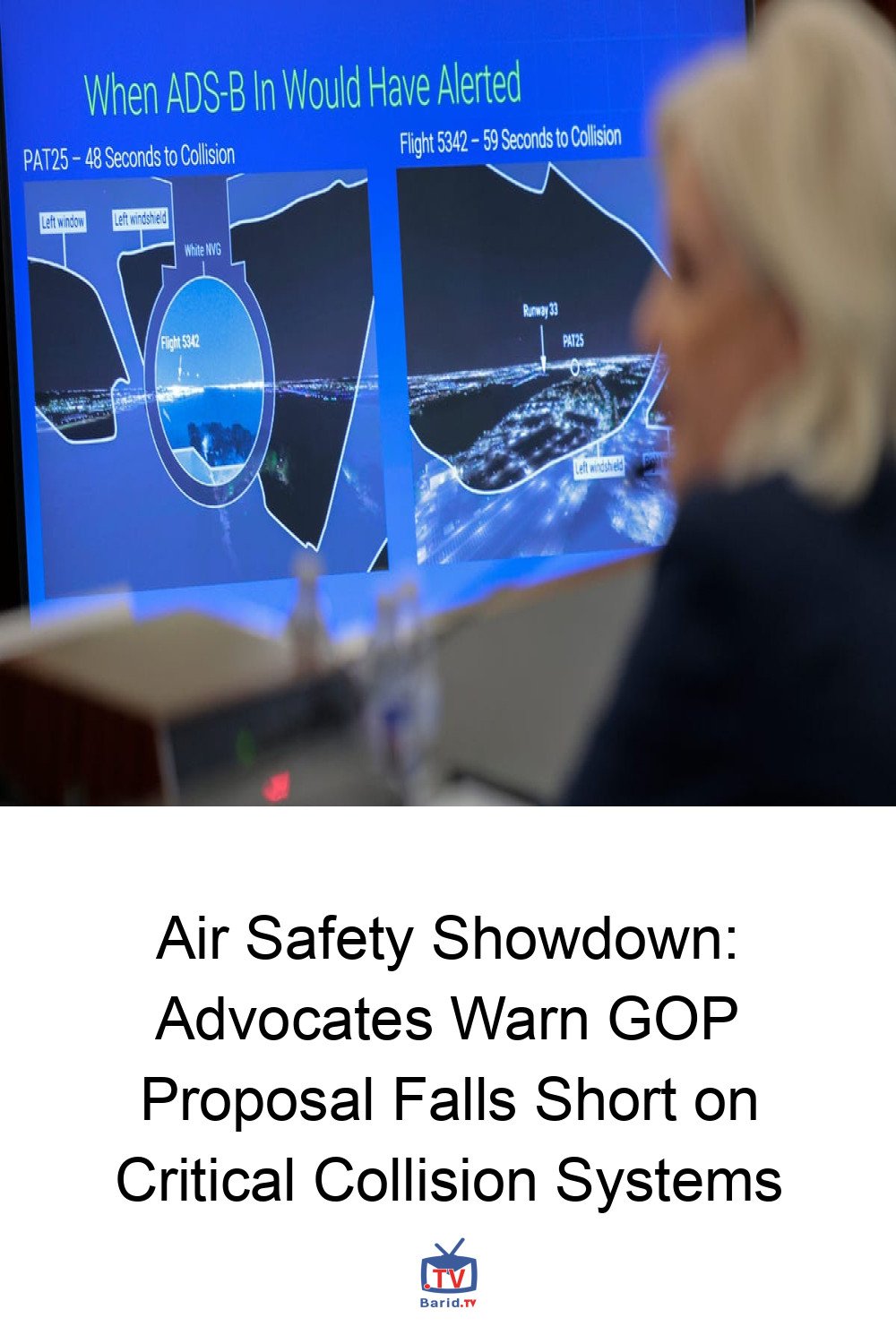
These systems, such as the Traffic Collision Avoidance System (TCAS) or Airborne Collision Avoidance System (ACAS), are designed to detect other aircraft in the vicinity and provide pilots with timely warnings and resolution advisories to prevent mid-air collisions. They act as a vital last line of defense, especially in congested airspace or during unexpected deviations.
Why a Mandate Matters: Protecting Passengers and Pilots
For air safety proponents, the absence of a robust mandate is not merely a technical oversight but a significant public safety concern. They contend that relying solely on recommendations or less stringent requirements could lead to inconsistencies in equipment adoption, creating potential vulnerabilities in the national airspace system. Every aircraft, regardless of its operator or route, should meet the highest safety standards, and a firm legislative hand is seen as the most effective way to achieve this.
The implications extend beyond just preventing catastrophic collisions. A universally mandated, high-standard system contributes to overall air traffic management efficiency, reduces pilot workload, and enhances the confidence of both passengers and crew in the safety infrastructure of air travel.
The Path Forward: Calls for Stronger Legislative Action
As the debate unfolds, air safety advocates are urging lawmakers to re-evaluate the proposal and incorporate stronger, explicit mandates for collision warning systems. Their message is clear: in an era of increasing air traffic and technological advancement, legislative frameworks must evolve to proactively safeguard the skies. The call is for a bipartisan commitment to prioritize passenger safety above all else, ensuring that no stone is left unturned in equipping airline jets with every necessary tool to prevent the unthinkable.
For more details, visit our website.
Source: Link