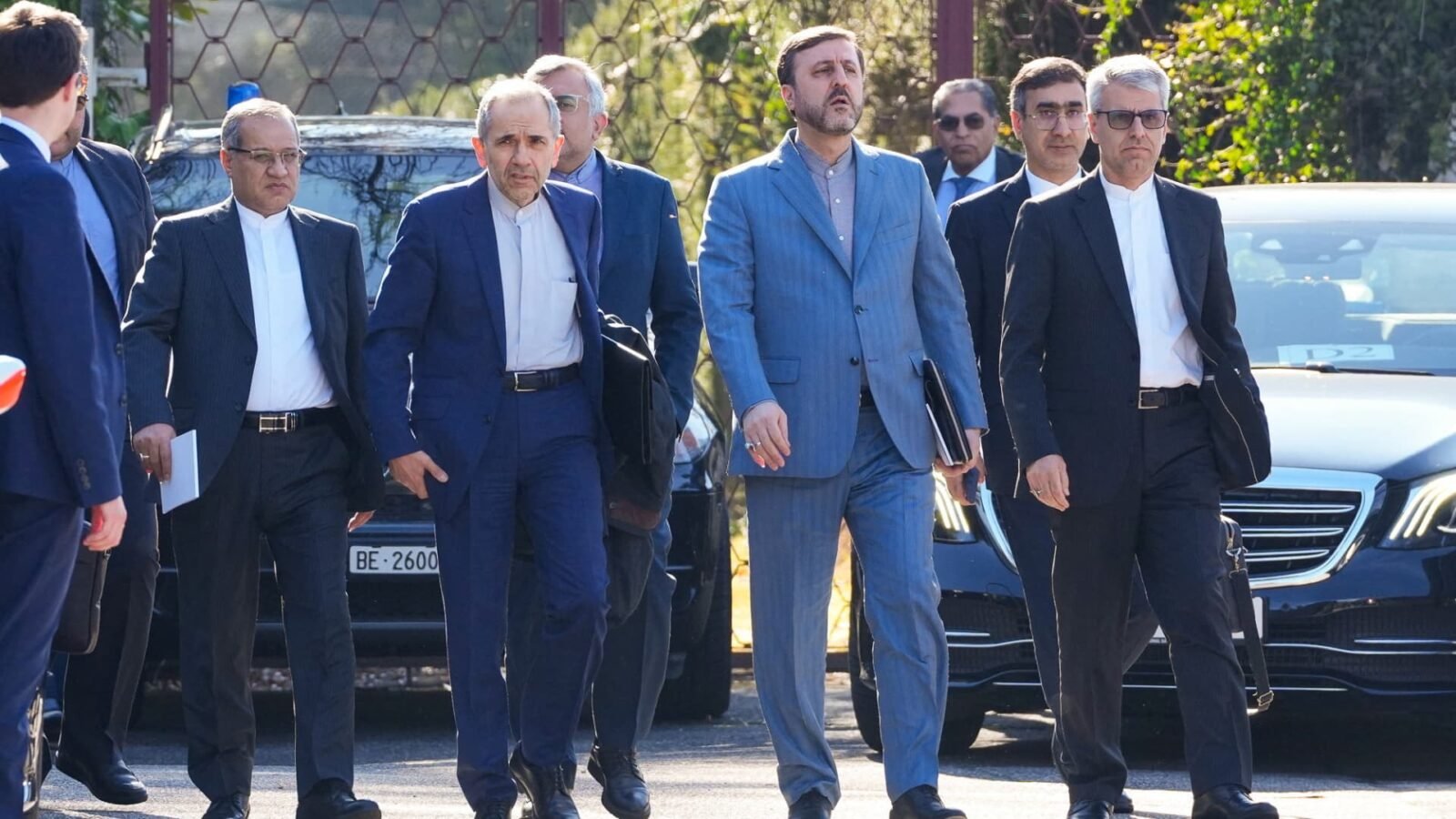

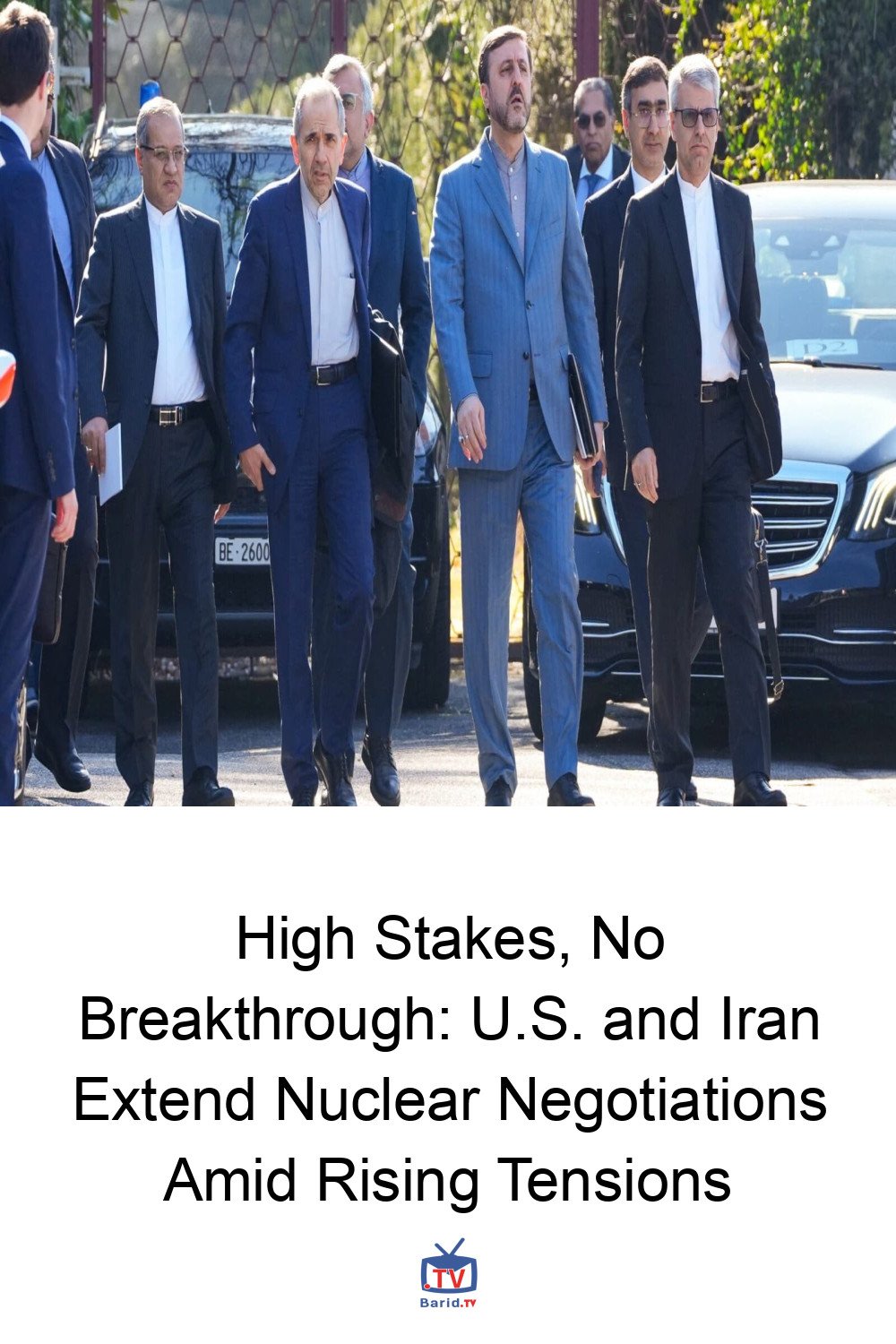
The latest round of U.S.-Iran nuclear talks, described by Tehran as the “most intense so far,” has concluded in Geneva without a definitive breakthrough. Despite significant diplomatic engagement, both sides have agreed to extend negotiations, signaling the persistent complexities and high stakes involved in resolving the long-standing nuclear impasse.
Iranian Foreign Minister Seyed Abbas Araghchi confirmed that while progress was made, a deal remains elusive. He highlighted the commitment to further, more detailed discussions focusing on the termination of U.S. sanctions against Iran and crucial nuclear-related steps. The continuation of these high-level discussions underscores the urgent need for a resolution, particularly as analysts warn of a potential military confrontation in the region should diplomacy falter.
A Diplomatic Marathon with No Finish Line in Sight
The recent Geneva talks, mediated by Oman’s Foreign Minister Badr Al Busaidi, saw both delegations engage in what Araghchi termed the “most intense” discussions to date. Al Busaidi, who is set to meet with U.S. Vice President JD Vance and other officials in Washington, reported “significant progress” and an agreement for technical discussions to resume in Vienna next week.
However, the path to a comprehensive agreement remains fraught with obstacles. U.S. President Donald Trump has repeatedly asserted that Iran is eager for a deal, yet he insists on a clear commitment from Tehran: “We will never have a nuclear weapon.” This refusal by Iran to explicitly renounce nuclear weapons development stands as a primary sticking point, fueling the ongoing diplomatic deadlock and contributing to heightened regional tensions. The U.S. has notably amassed a substantial military presence in the Middle East, with President Trump issuing stern warnings of “bad things” if a deal on Iran’s nuclear program is not reached.
Unwavering Demands and Unyielding Stances
The U.S. negotiating team, led by Special Envoy Steve Witkoff and Jared Kushner, presented a series of stringent demands. These reportedly included the destruction of three key Iranian nuclear sites—Fordow, Natanz, and Isfahan—and the transfer of all remaining enriched uranium to the U.S. Iranian officials have vehemently rejected these terms. Furthermore, Washington has pushed for any future nuclear agreement to be permanent, devoid of the so-called sunset clauses that would allow restrictions to expire over time.
Beyond the nuclear program, the U.S. has also pressured Tehran to curb its ballistic missile development and cease its support for regional armed groups. U.S. Secretary of State Marco Rubio previously identified Iran’s reluctance to discuss its intercontinental ballistic missile program as a significant impediment. The Trump administration has also called for an end to the repression of domestic protestors within Iran.
The Shadow of Escalation and Economic Fallout
The failure to achieve a meaningful breakthrough carries substantial risks. Experts like Michael Hanna, director at the International Crisis Group, caution that “Absent a diplomatic breakthrough in the coming days, the U.S. risks entering into a military clash with significant escalatory potential.” Such a conflict could unleash widespread turmoil across the Middle East and send shockwaves through global oil markets.
Adding to the complexity, Hanna points out that Washington’s overall objectives remain somewhat ambiguous, with a broad list of demands for Tehran. For Iran, a primary goal of these talks is the lifting of crippling sanctions that have severely impacted its economy, leading to a currency crisis and widespread protests against the Islamic Republic. The outcome of these indirect talks will undoubtedly influence oil prices, as traders closely monitor potential supply disruptions in an increasingly volatile geopolitical landscape.
For more details, visit our website.
Source: Link