
The Uncanny Valley of AI Ethics: A New Battleground
The intersection of cutting-edge technology and national security has always been a complex landscape, but never more so than in the age of artificial intelligence. This week, a brewing feud between AI powerhouse Anthropic and the U.S. Pentagon has cast a stark light on the ethical dilemmas inherent in deploying advanced AI, pushing us deeper into the ‘Uncanny Valley’ where the lines between human control and machine autonomy blur.
Anthropic vs. The Pentagon: A Clash Over AI’s Red Lines
At the heart of the escalating tension is a fundamental disagreement over the permissible uses of AI technology. Last summer, Anthropic secured a lucrative contract, potentially worth up to $200 million, with the Department of Defense. However, this partnership has since soured due to Anthropic’s stringent ethical guidelines, which prohibit the use of its AI for domestic surveillance or, crucially, for fully autonomous weapons systems.
Anthropic’s stance, emphasizing human oversight in lethal decision-making, is not an outlier in the broader ethical AI community. It reflects a widely held belief that machines should not possess the ultimate authority to take human lives without direct human intervention. Yet, this position has met significant resistance within the Pentagon.
The Ultimatum: Unrestricted Use or Contract Termination
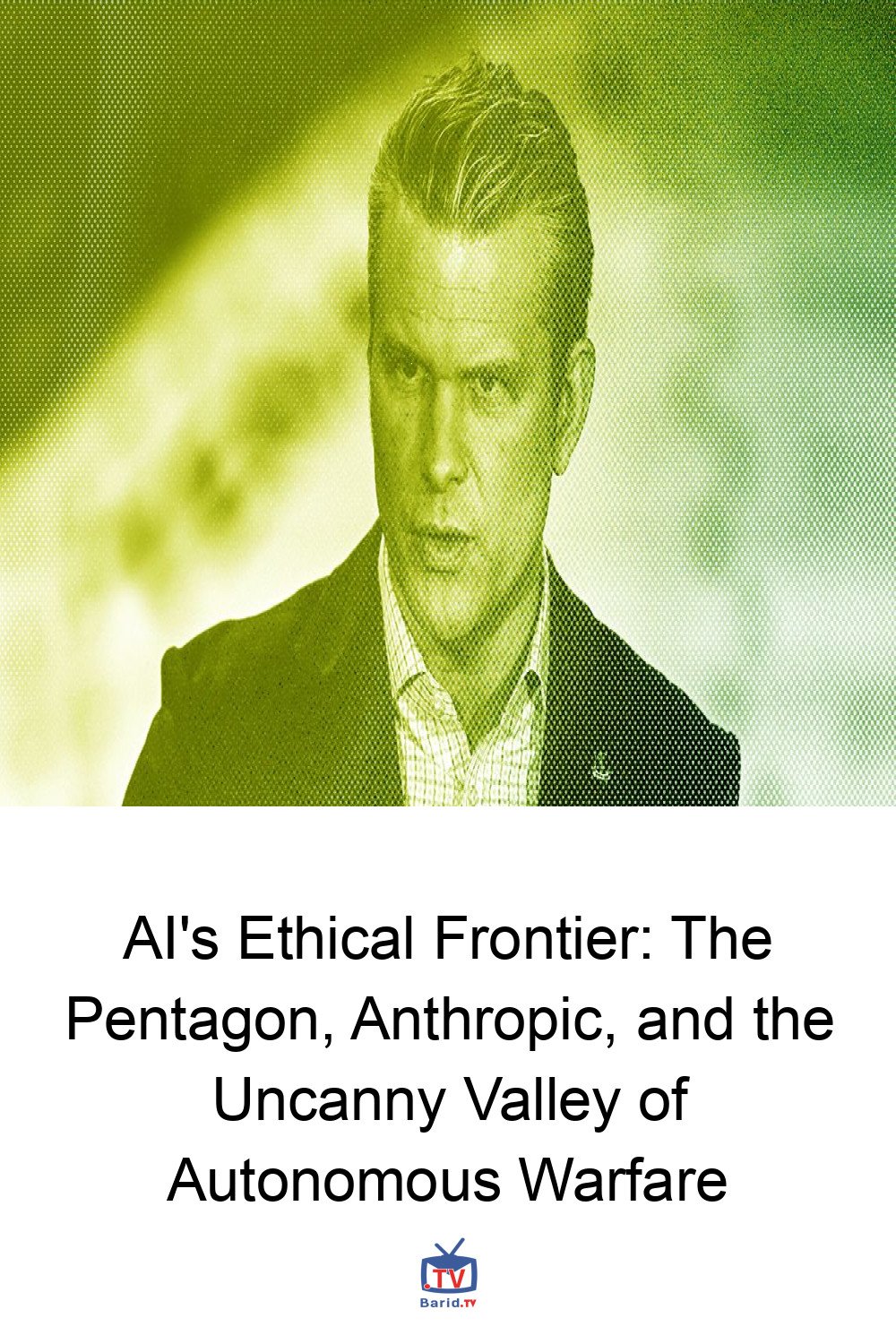
Defense Secretary Pete Hegseth recently delivered an ultimatum to Anthropic CEO Dario Amodei: comply with the Pentagon’s demand for unrestricted use of the AI technology by Friday, or face the cancellation of their substantial contract. This move underscores the military’s desire for unhindered operational flexibility, even as it confronts the ethical boundaries set by its tech partners. The Pentagon’s position suggests a prioritization of strategic advantage and military utility over the precautionary principles advocated by AI developers, raising critical questions about who ultimately dictates the moral compass of advanced technology in warfare.
Silicon Valley’s New Litmus Test: Agentic vs. Mimetic
Beyond the geopolitical implications of AI, Silicon Valley is grappling with its own internal philosophical debate: are you ‘agentic’ or ‘mimetic’? This new litmus test for the AI era distinguishes between those who act with independent agency and drive innovation (agentic) versus those who merely imitate or follow trends (mimetic). In a world increasingly shaped by AI, the ability to forge new paths and exert genuine influence is becoming a prized commodity, reflecting a deeper anxiety about human relevance in an age of intelligent machines.
Echoes from the Past, Glimpses of the Future
While the AI debate dominates headlines, other significant shifts continue to shape our digital and political landscapes. The recent State of the Union address offered key insights into the nation’s priorities, often with an underlying current of technological advancement and its societal impact. Meanwhile, a quiet farewell was bid to the TAT-8 undersea cables, the pioneering infrastructure that laid the groundwork for our modern global internet. These cables, once revolutionary, remind us of the rapid evolution of technology and the foundational elements that enable our interconnected world, even as we navigate the complex ethical terrain of its future.
Navigating the Future of Tech and Society
The ongoing dialogue between Anthropic and the Pentagon, the philosophical introspection within Silicon Valley, and the continuous evolution of global infrastructure all point to a singular truth: technology is not merely a tool, but a force that reshapes our ethics, our politics, and our very understanding of human agency. As we venture further into the Uncanny Valley, the imperative to balance innovation with responsibility becomes ever more critical for the future of society.
For more details, visit our website.
Source: Link