
Antarctica’s ‘Blood Falls’: The Century-Old Mystery Finally Unlocked
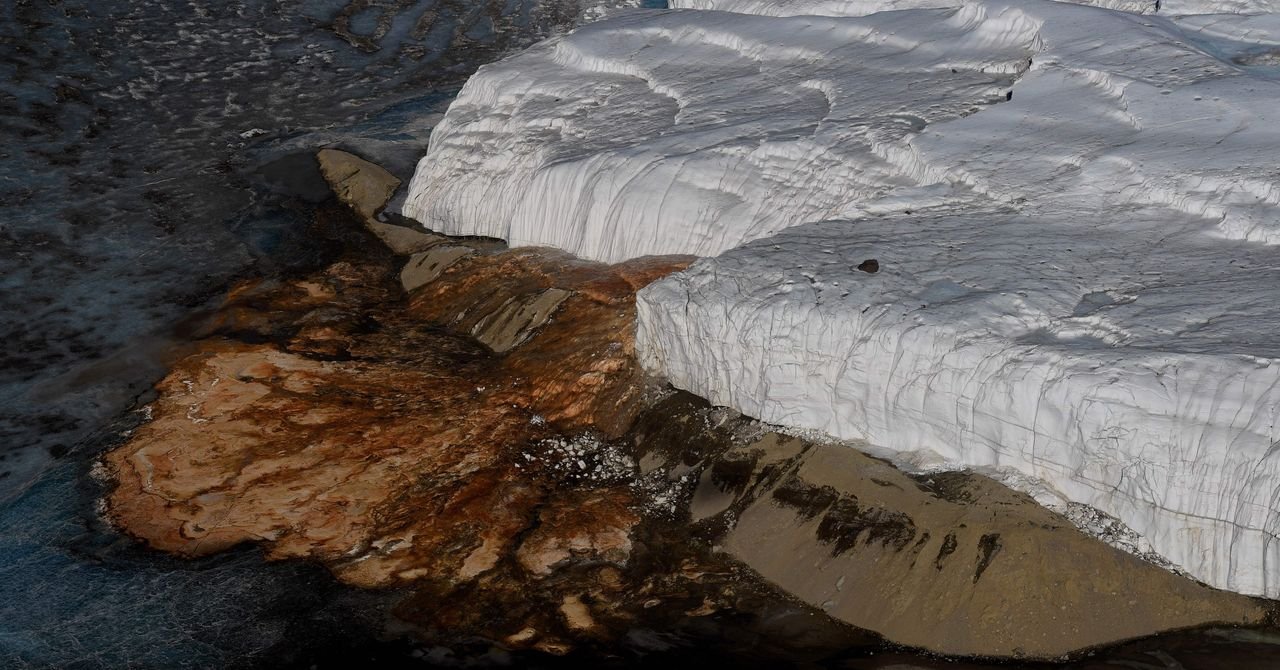
In the stark, otherworldly landscape of Antarctica’s McMurdo Dry Valleys, a phenomenon so bizarre it seems ripped from a sci-fi epic has captivated scientists for over a century. Known as the ‘Blood Falls,’ this crimson cascade gushes periodically from the pristine white face of the Taylor Glacier, staining the ice with a startling, rust-red hue. Discovered in 1911 by geologist Thomas Griffith Taylor, its existence has fueled a relentless scientific quest to understand its origins, its peculiar color, and what keeps it flowing in one of Earth’s coldest environments.
Recent breakthroughs have peeled back layers of this icy enigma, clarifying the nature of its striking color and its liquid state at temperatures as low as -20 degrees Celsius. Now, groundbreaking research published in the journal Antarctic Science delivers the ultimate revelation, pinpointing the precise geological forces that drive these subterranean waters to erupt onto the surface.
Unveiling the Crimson Secret
For decades, speculation surrounded the Blood Falls’ unsettling color. Early theories, including Taylor’s own, suggested red microalgae. However, modern scientific inquiry has definitively attributed the vibrant crimson to something far more ancient and elemental: iron particles. These particles are trapped within nanospheres, alongside other elements like silicon, calcium, aluminum, and sodium. Scientists believe these were likely produced by ancient bacteria, preserved deep beneath the ice. Upon exposure to air, the iron oxidizes, creating the distinctive rust-red that gives the falls their macabre name.
The mystery of how water remains liquid in such extreme cold also found its answer. The source is a hypersaline brine, a remnant from approximately 2 million years ago when the Antarctic Ocean receded from these valleys. The extraordinarily high salt content of this brine acts as a natural antifreeze, preventing the water from freezing solid and allowing it to periodically surge forth.
The Final Piece of the Puzzle: Pressure’s Relentless Drive
With the chemical composition and thermal properties explained, the ultimate question remained: what physical mechanism propels this brine from deep within the glacier to the surface? The answer emerged from a meticulous cross-referencing of GPS data, thermal sensor readings, and high-resolution imagery collected during an eruption in 2018.
The analysis revealed that the Blood Falls are a dramatic manifestation of pressure variations beneath the glacier. As the colossal Taylor Glacier slowly grinds its way downstream, the immense weight of the overlying ice mass compresses the subglacial channels where the brine deposits reside. This compression builds up tremendous hydrostatic pressure within the trapped liquid. When this strain reaches an unbearable threshold, the glacier’s icy structure yields. The highly pressurized brine then exploits fissures and crevices, erupting in powerful, short bursts onto the surface.
Intriguingly, this release of pressure isn’t just a geological spectacle; it also serves a functional role. The periodic eruptions act as a hydraulic brake, temporarily slowing the glacier’s otherwise relentless march. With this comprehensive discovery, the century-long saga of the Blood Falls’ mysteries appears to be, for now, finally resolved. However, as our planet faces an uncertain future, the long-term impact of global warming on this delicate and complex subglacial system remains an unknown, perhaps the next great Antarctic mystery to unravel.
For more details, visit our website.
Source: Link