
The beautiful game, at its heart, is a spectacle of passion and unity. Yet, beneath the roar of the crowd and the thrill of competition lies a critical, often overlooked, element: security. As the countdown to the 2030 FIFA World Cup, co-hosted by Morocco, Portugal, and Spain, intensifies, two recent football events have cast a stark light on differing approaches to crowd management, raising uncomfortable questions about which nation is truly ready for the global spotlight.
Rabat’s Masterclass: De-escalation in the Face of Fury
On January 18, 2026, Rabat’s Moulay El Hassan Stadium became a crucible of emotion during the Africa Cup of Nations final. A packed stadium, a host nation under immense pressure, and a contentious late VAR decision — a penalty awarded to Morocco against Senegal — combined to create an explosive atmosphere. When Senegalese players staged a walk-off in protest, the match teetered on the brink of collapse. Fans, particularly from Senegal, surged towards the pitch, threatening to turn a tense standoff into outright chaos.
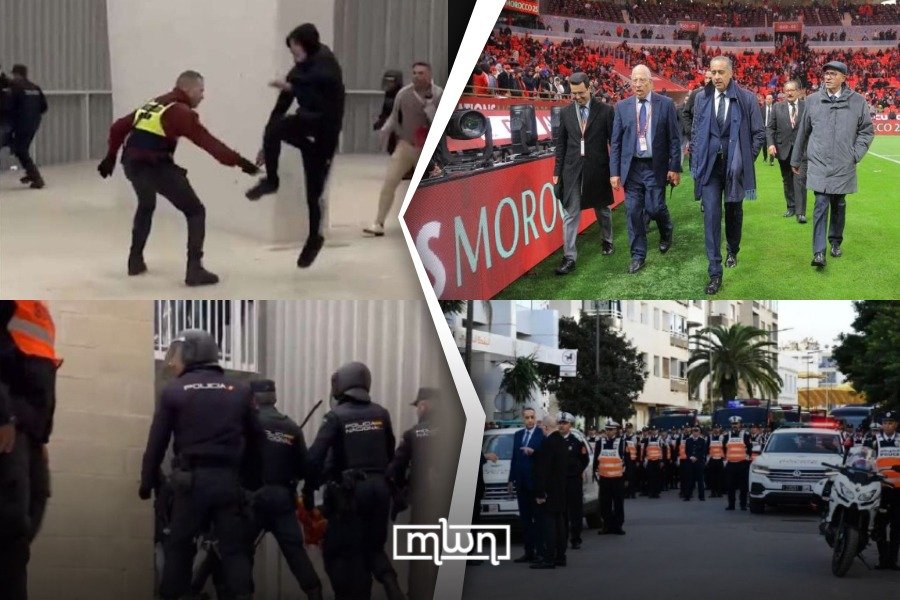
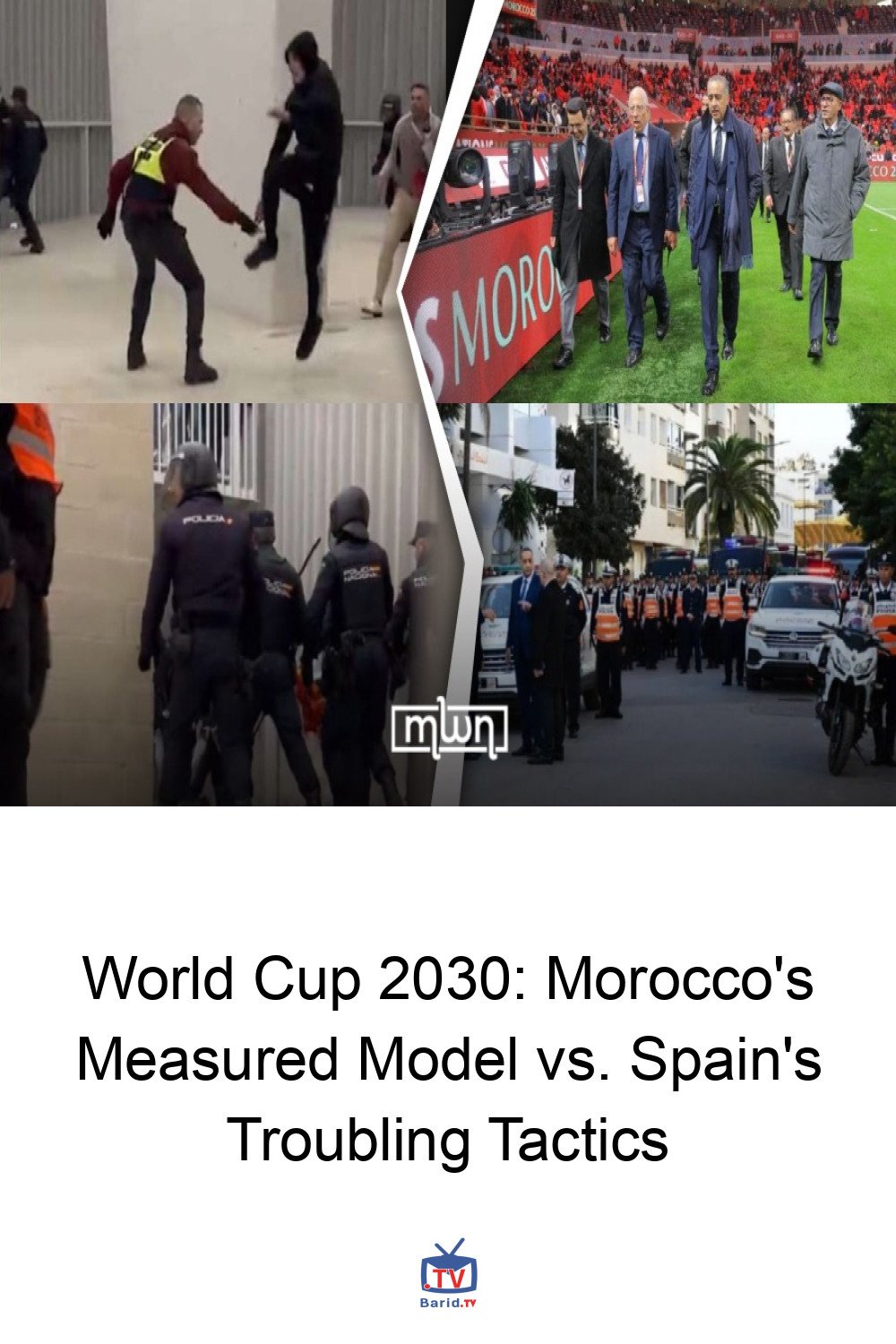
What unfolded next was a testament to disciplined foresight. Moroccan security forces, under the direct oversight of Abdellatif Hammouchi, chose restraint over reaction. Instead of resorting to batons or aggressive tactics, officers focused on containment and de-escalation. Their priority was to calm the volatile crowd, prevent pitch incursions, and maintain order without escalating the conflict. This measured approach averted a potential disaster, showcasing a modern, risk-based security model that prioritizes safety and prevents the kind of images that can tarnish a host nation’s reputation for decades.
A Model of Modern Security
Morocco’s success wasn’t accidental. It was the result of meticulous planning, including layered deployment, advanced surveillance, and coordinated command. This proactive strategy garnered international attention, with U.S. FBI officials visiting Rabat to observe their match-day security protocols, including the use of drones, high-definition cameras, and integrated command centers. Morocco’s approach was not merely a regional success story; it was a case study in effective major event management, setting a high bar for future hosts.
Pamplona’s Panic: A Celebration Derailed by Force
Just weeks later, on February 21, 2026, celebrations at Pamplona’s El Sadar stadium after Osasuna’s 2-1 victory over Real Madrid dissolved into disarray. The catalyst: a single small bottle thrown onto the pitch. What began as an isolated incident escalated dramatically when private security, attempting to detain the fan, clashed with supporters in the South Stand corridors. The situation quickly spiraled, necessitating the intervention of Spain’s Police Intervention Unit (UIP).
The response was starkly different from Rabat’s. Baton charges, riot shields, and even rubber bullets were deployed, both inside the stadium’s confined corridors and outside. The club itself acknowledged “scenes of panic” among fans attempting to exit, a phrase that carries grave implications for crowd safety. Panic in constricted spaces can rapidly lead to dangerous crowd compression and serious injuries – precisely the scenarios modern crowd management aims to prevent. For Spain, a co-host vying to stage the World Cup final, this incident raises serious questions about its readiness and adherence to international safety standards.
The Uncomfortable Double Standard
The contrast is stark and, for many, deeply unsettling. Had the scenes of baton charges, rubber bullets, and widespread panic in narrow stadium corridors originated from Casablanca or Tangier, the global narrative would likely be immediate and condemnatory. Morocco would face intense scrutiny, framed as a nation ill-equipped to handle major international events. Yet, when similar, arguably more aggressive, tactics are employed in a European co-host nation, the reaction is often muted, if not entirely overlooked.
This perceived double standard highlights a critical challenge for FIFA and the organizing committee. The 2030 World Cup demands consistent, exemplary security standards across all host nations. Morocco has demonstrated a sophisticated, de-escalation-focused model that prioritizes fan safety and orderly event management. Spain, however, has inadvertently showcased a force-first approach that risks turning celebration into chaos. As the world looks towards 2030, the question isn’t just about who can build the best stadiums, but who can truly guarantee the safety and enjoyment of every fan, without resorting to tactics that breed fear instead of fostering festivity.
For more details, visit our website.
Source: Link