
“You are not a drop in the ocean. You are the entire ocean in a drop.” —Rumi
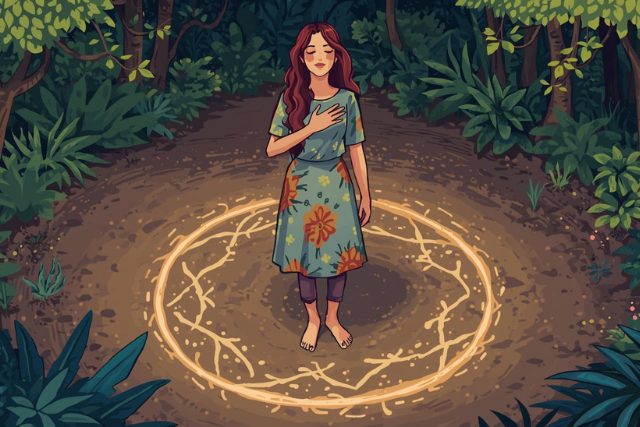
The year was drawing to a close, a time often associated with reflection and release. For me, it was a literal act of letting go. I stood in my backyard, a pyre of twenty-five years of journals before me. These thick notebooks, brimming with fervent prayers, raw confessions, and late-night anxieties, were ready to meet the flames. This wasn’t a dramatic gesture; it was a deliberate act of liberation.
I had ceased daily journaling years prior, recognizing a troubling pattern. What I had believed to be a process of self-reflection had, in fact, become an internal courtroom. Each page served as evidence, meticulously building a case against myself or others, a testament to my uncanny ability to self-gaslight. I documented every perceived failure, every instance where I shrunk or morphed to accommodate another’s comfort, every way I felt I couldn’t get “it” right. I thought I was processing; I was actually prosecuting.
The Echo of Desperation Across Decades
As I flipped through the pages one last time, a startling realization emerged. The first journal, penned by a fifteen-year-old devout Christian girl, was filled with desperate pleas to God for guidance. The last, written by a forty-year-old woman, sought direction from her spirit guides. Different words, different cosmic addresses, yet the same desperate energy. I was perpetually asking someone—or something—else to save me.
Across decades, through births, moves, career shifts, and evolving spiritual identities, a singular theme persisted: I wrote as if I were a helpless passenger in a universe beyond my control. My words painted a picture of a life lived passively, watching myself make choices I didn’t comprehend, feeling powerless against unseen forces. “Please help me stop doing this,” “Why does this keep happening to me?”, “I don’t know why I can’t change,” “When will the perfect thing I really need be delivered to me?” – these refrains echoed through the years.
Every entry reinforced the narrative that external forces were pulling the strings. Whether I named it God, the Universe, my Higher Self, energy, or spirit guides, my relationship remained consistent: that of a powerless child begging a parent for scraps of control over my own existence. I was blind to this pattern, a subtle yet insidious form of spiritual bypassing masquerading as devotion. It felt holy, humble, like true surrender. But there’s a crucial distinction between surrender and abdication.
When Spirituality Becomes Disempowerment
A pivotal moment arrived last year when I enrolled in a shamanic training program. It quickly became my most transformative experience. In our very first session, my mentor, with a keen insight I had lacked for decades, listened to my description of my spiritual practice—my daily prayers, readings, and constant search for signs. Her simple observation struck me: “You’re relating to the spiritual realm like you have no agency.”
I bristled. Wasn’t that the whole point? Weren’t we supposed to make requests to the heavens? This had been a central tenet across the vast spectrum of my spiritual explorations.
Reclaiming Your Voice: Prayer vs. Powerlessness
“Prayer isn’t the same as powerlessness,” she clarified. “You’re allowed to ask for what you want. You’re allowed to make choices. You are called to be a leader and director in your own life, even if you believe in something greater than yourself.”
This profound insight resonated deeply over the following months. I began to catch myself whenever I slipped into the familiar language of victimhood: “if it’s meant to be, it will be,” “I’m just waiting for confirmation,” “the Universe will show me when it’s time to go or to stay.” Chris, my mentor, consistently reminded me: “You’re the one living your life. Not the Universe. Not your guides. You.”
With this newfound perspective, reviewing those old journals was eye-opening. I could clearly see how this core disempowerment had shaped every aspect of my life: relationships I clung to because “maybe this is my lesson,” opportunities missed while “waiting for divine timing,” dreams deferred because the “easy and clear way” to begin never materialized. I had effectively outsourced my decision-making to the cosmos. And the cosmos, in its infinite wisdom, seemed content for me to remain stuck in unserving patterns, asking the same questions, making the same mistakes, perpetually waiting for permission to live differently.
The truth, I realized, was simpler and far more daunting: I was waiting for permission from myself.
From Asking to Choosing: Embracing Personal Agency
This shift wasn’t instantaneous. It began with small, often uncomfortable, acts of agency. Instead of consulting tarot cards about a new opportunity, I asked myself what I truly desired. Rather than praying for clarity on a difficult relationship, I confronted what I already knew about my own needs. Instead of waiting for a sign to change, I simply changed.
Initially, the old doubts resurfaced: Who was I to decide? Who was I to want specific things? Who was I to act without cosmic approval? But gradually, a deeper understanding took root: spirituality doesn’t demand my diminishment. Faith doesn’t equate to abandoning my own will. Believing in something greater doesn’t mean I am less. It means I am part of that greatness, empowered to co-create my reality.
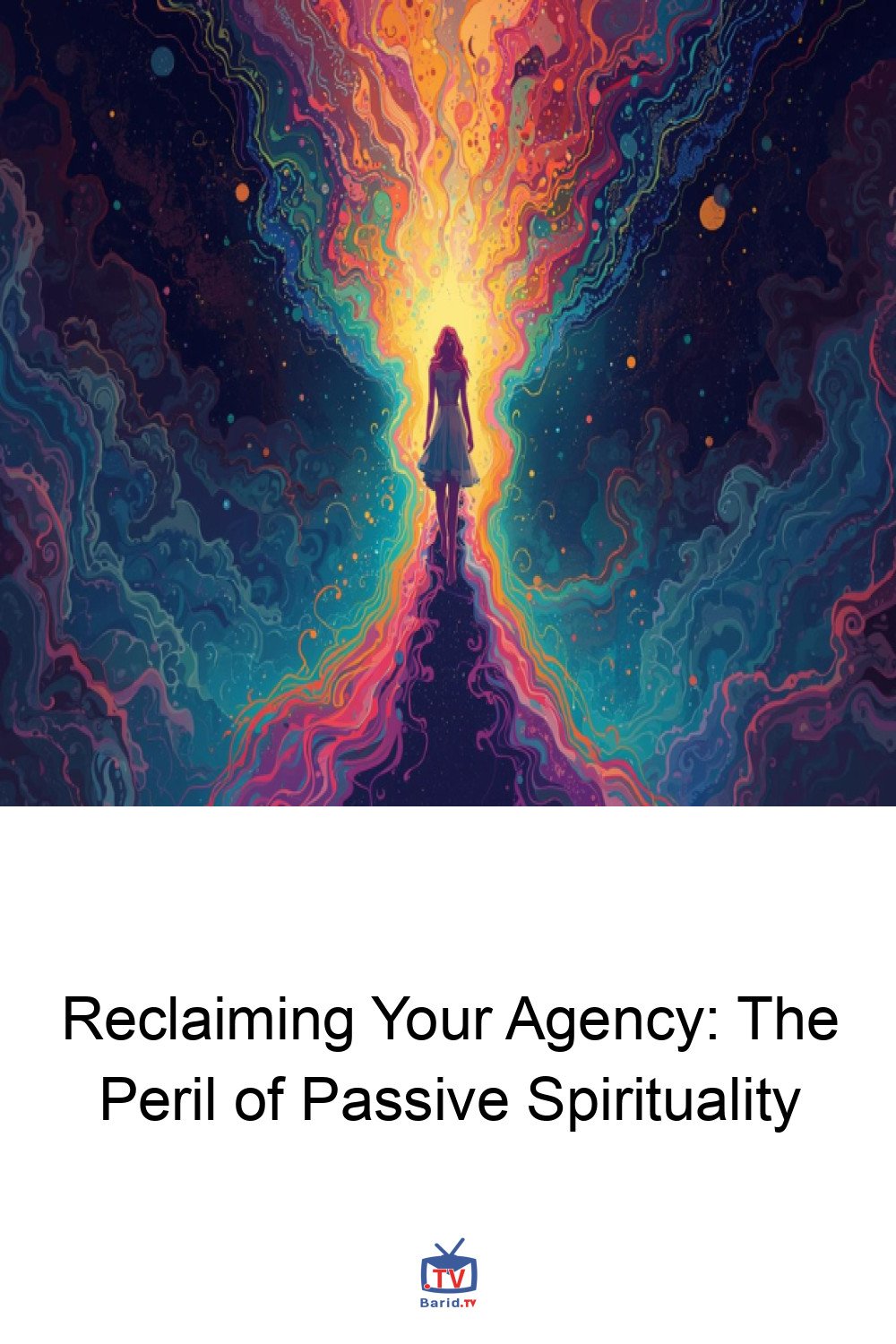
Embracing personal agency within a spiritual framework isn’t a rejection of the divine; it’s an active partnership. It’s understanding that the universe doesn’t just happen to you; it happens through you. By stepping into our power, we don’t diminish the cosmos; we align with its inherent creative force, becoming conscious architects of our own lives.
For more details, visit our website.
Source: Link