
Rabat, Morocco – In a landmark move poised to redefine citizen-government interactions, Morocco has officially embarked on an ambitious digital transformation journey. Today, eight pivotal cooperation agreements were inked, uniting key public institutions and private sector innovators to launch “Idarati X.0” – the next evolutionary phase of the nation’s digital government initiative.
Idarati X.0: A New Era of Public Service
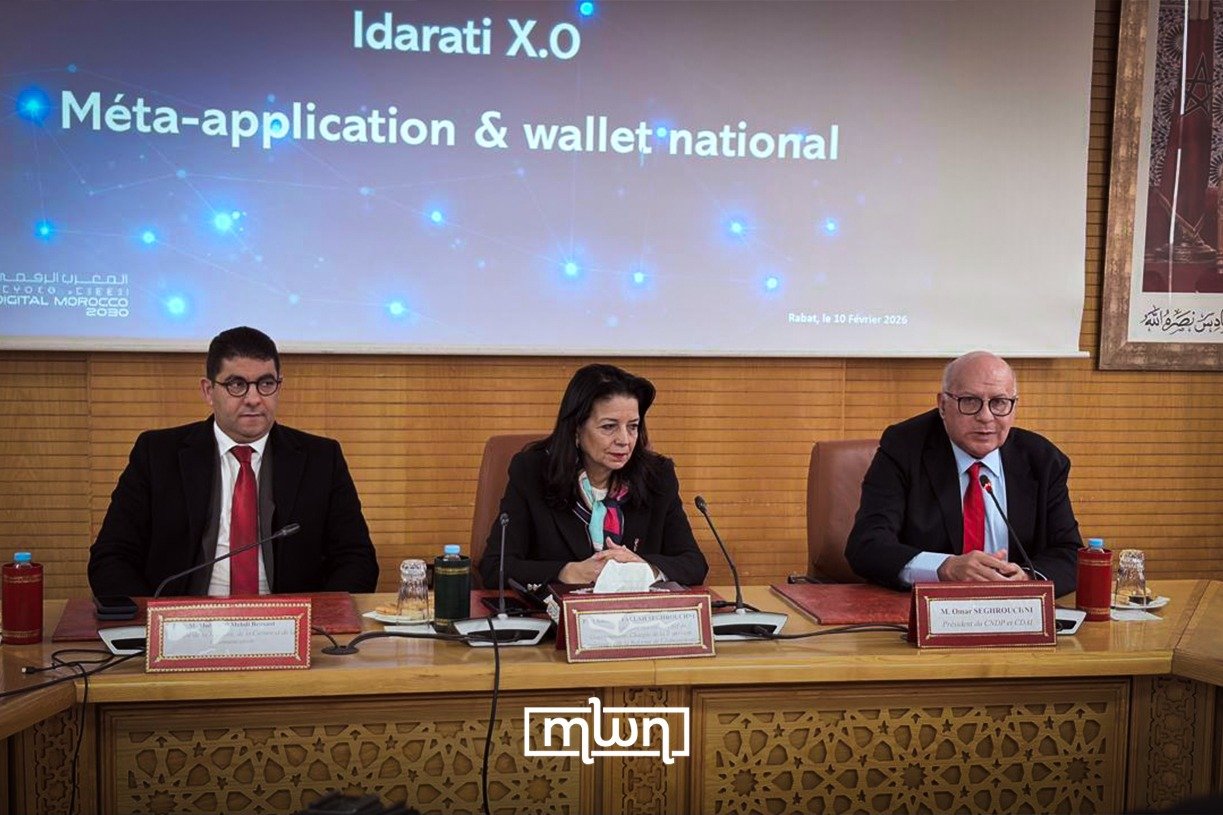
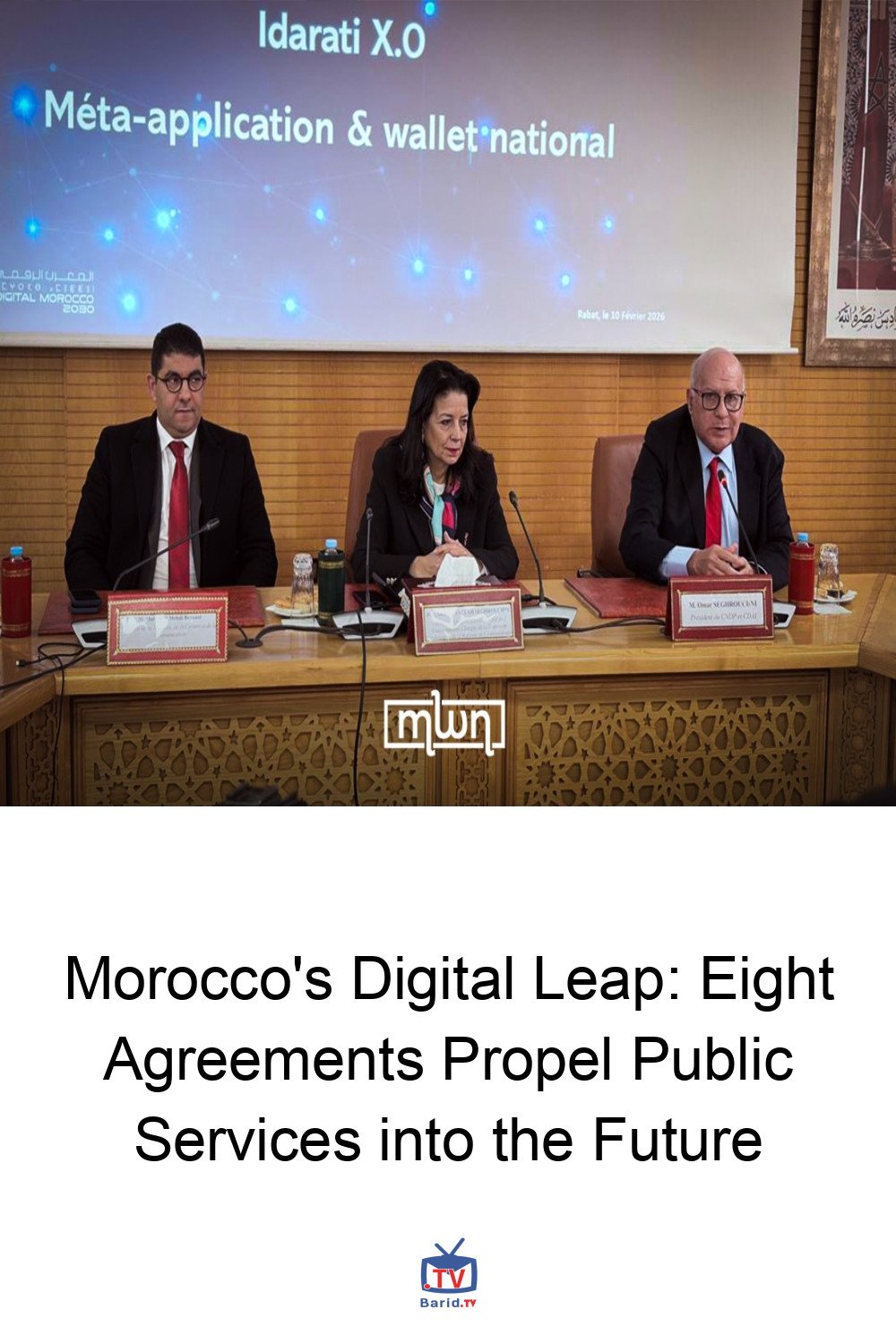
The signing ceremony, held at the Ministry of Digital Transition and Administrative Reform, signifies a concerted national effort to streamline and modernize public administration through cutting-edge digital tools. Overseen by Prof. Amal El Fallah Seghrouchni, Delegate Minister to the Head of Government in charge of Digital Transition and Administrative Reform, these agreements lay the groundwork for a more efficient, accessible, and citizen-centric public service ecosystem.
Building upon the existing Idarati platform, which currently serves as a directory for administrative procedures, Idarati X.0 represents a significant leap forward. While its predecessor guided users to services, the new platform is designed to empower citizens to complete procedures directly through a unified digital interface. This innovative approach promises to drastically reduce bureaucratic hurdles and enhance the overall user experience.
Collaborative Power: Public and Private Synergy
The success of Idarati X.0 hinges on robust collaboration. The agreements saw a broad spectrum of public entities commit to the initiative, including the Ministry of Youth, Culture and Communication; the National Social Security Fund (CNSS); the National Agency for Land Conservation, Cadastre and Cartography (ANCFCC); the National Road Safety Agency (NARSA); and the Ministry of Logistics and Transport.
Crucially, the project also underscores a strong commitment to data protection and governance, with Omar Seghrouchni, President of the National Commission for the Protection of Personal Data (CNDP) and the Digital Development Agency (ADD), among the signatories. Complementing this public sector drive are private-sector stalwarts IDAKTO, SHAREID, and the Moroccan Society for Electronic Services. These companies, specializing in digital identity and electronic services, will be instrumental in shaping the system’s technical choices and functional architecture, ensuring a robust and secure digital infrastructure.
At the Core: AI, Digital Identity, and a National Wallet
Idarati X.0 is engineered for interoperability, allowing participating institutions to seamlessly connect while maintaining their operational autonomy. By leveraging artificial intelligence (AI) and secure digital identity mechanisms, the platform aims to eliminate duplication, optimize administrative processes, and elevate the quality, security, and traceability of digital interactions between citizens and public authorities.
A cornerstone of this ambitious project is the planned introduction of a national digital wallet. This wallet will be securely linked to a robust infrastructure and integrated with the electronic national identity card issued by the General Directorate of National Security (DGSN). This foundational element is designed to guarantee reliable access to online services while strictly adhering to personal data protection regulations, fostering trust and security in the digital realm.
The Six-Month Sprint: From Vision to Reality
The cooperation framework outlines an intensive six-month roadmap, commencing from the signing date of February 10, 2026. This period will encompass critical phases including technical and regulatory alignment, meticulous architecture design, rigorous proof-of-concept testing, and the formulation of final recommendations for a comprehensive national deployment.
Upon completion, this project is expected to deliver a fully operational national framework for digital public services. This marks a monumental stride towards a more coordinated, transparent, and profoundly citizen-centric public administration, positioning Morocco at the forefront of digital governance in the region.
For more details, visit our website.
Source: Link