

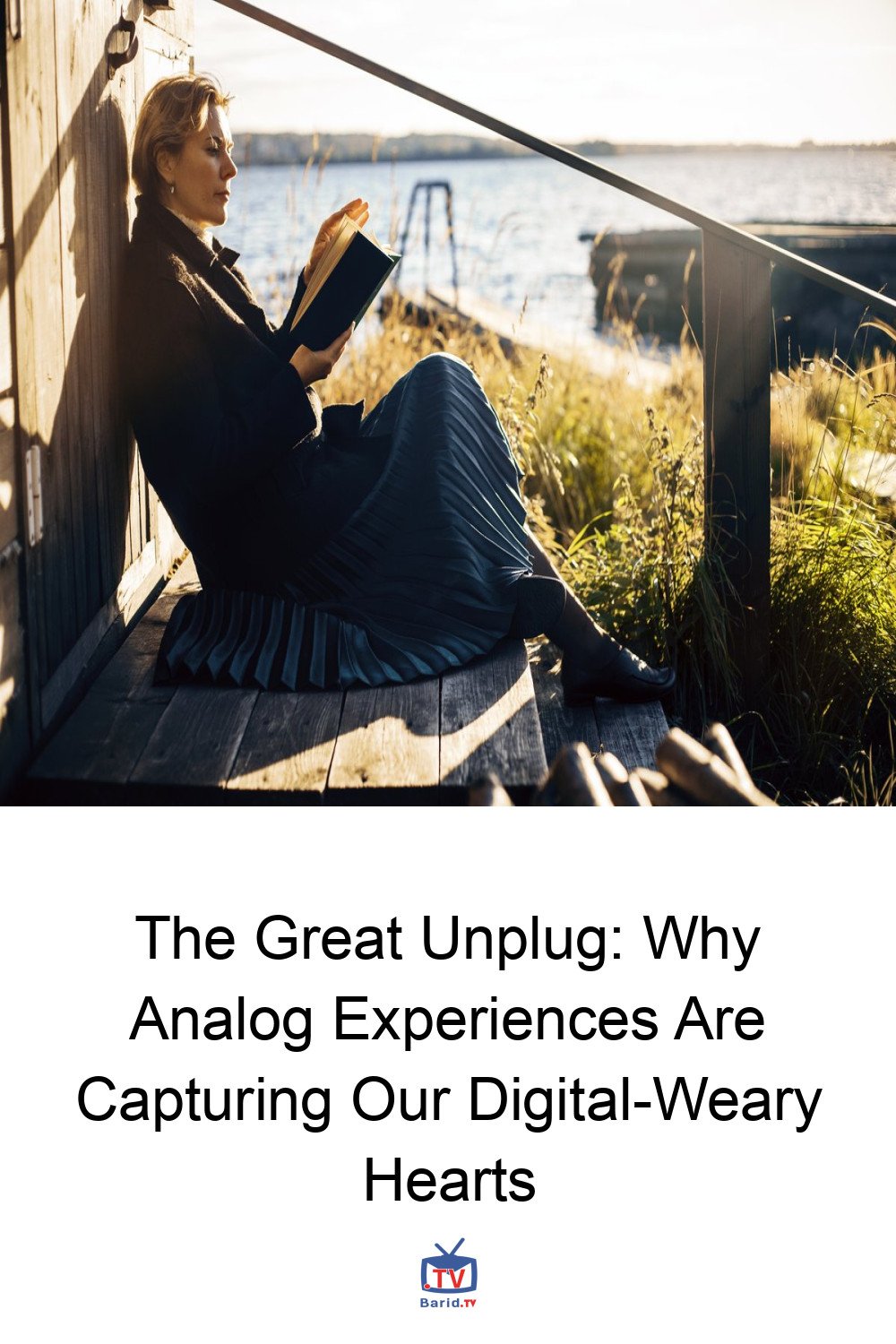
In an era defined by incessant pings, endless feeds, and the glow of screens, a quiet revolution is unfolding. A growing number of individuals, weary of the digital deluge, are consciously pivoting towards a philosophy of digital minimalism, rediscovering the profound satisfaction of analog experiences. This isn’t a nostalgic whim; it’s a deliberate choice for well-being, presence, and a reclaiming of agency in an ‘always-on’ world.
The Pervasive Grip of Screen Fatigue
The phenomenon of “screen fatigue” is no longer an abstract concept; it’s a tangible reality impacting millions. From the subtle strain on our eyes to a deeper sense of existential boredom, the constant digital engagement is taking its toll. The numbers are stark: an individual born in 2025 is projected to spend an astonishing 21 years of their life – over 181,000 hours – gazing at a screen. This equates to a quarter of their entire life and more than 40% of their waking hours, according to a recent Eyesafe report.
Alexandra Cromer, a licensed therapist with Thriveworks, observes this trend firsthand. “I’m hearing and seeing more about screen fatigue within my practice and within popular culture,” she states. “People are devaluing ‘screen time’ and technologizing their lives for a more ‘analog’ or ‘off the grid’ lifestyle.”
Beyond Eye Strain: The Psychological Toll
The impact extends far beyond mere physical discomfort. Excessive screen time, Cromer warns, can be detrimental to both physical and mental health, fostering feelings of loneliness, isolation, worry, and even addiction. “Too much screen time prevents us from living in the moment and takes us out of being present with our families, friends, and within daily routines,” she explains.
Bob Hutchins, CEO of Human Voice Media, delves deeper into the psychological underpinnings. “We crave resistance,” Hutchins asserts. “We long for the scent of aged paper, the feel of scratching a pen across a page, or the heft of a vinyl record. It anchors us.” He argues that the true toxicity of excessive screen time lies in its erosion of our sense of agency. While scrolling, we are passive recipients of algorithms; when we engage in analog activities – building a birdhouse, writing in a journal – we become creators. “The movement from being a consumer to being a creator is essential for maintaining positive mental health,” Hutchins emphasizes.
The Data Speaks: Analog’s Resurgence
This shift isn’t just anecdotal; it’s reflected in consumer behavior. Sales of so-called “dumbphones” – devices stripped of internet, apps, and email capabilities – surged by 25% in 2025. Arts and crafts retailer Michaels reported a remarkable 136% boost in sales over the last six months, indicating a widespread return to tactile, creative pursuits.
Consumers aren’t embracing paperback books or board games to chase a trend. Their motivation is simpler: to touch and feel, to engage without the constant threat of notifications, subscription prompts, or feedback requests. It’s about an uninterrupted, immersive experience.
Detaching from the Digital Default: Not Unplugging, But Resetting
The embrace of analog isn’t about a wholesale rejection of technology, but rather a conscious redefinition of its role in our lives. It’s a move towards intentional substitution and establishing healthier boundaries.
Trading Convenience for Ritual
“It’s not about tossing your smartphone into the river; it’s about placing it in another room while cooking dinner,” Hutchins clarifies. This intentionality extends to a willingness to trade convenience for the richness of ritual. People are investing in mechanical watches that require winding, film cameras where immediate deletion isn’t an option, and dedicated notebooks for writing. “It’s a revolt against the ‘always-on’ state,” Hutchins notes.
Crucially, this digital disruption is about reclaiming human attention. “People are turning off notifications not to hide, but to concentrate,” Hutchins adds. “People are deciding to be unresponsive digitally, in order to be fully present physically.”
Finding Balance in a Hybrid World
For many, the goal is balance. Individuals are finding various ways to create distance from their devices: turning off phones after work, disabling notifications, shutting down laptops, or taking breaks from smartwatches. As Cromer aptly puts it, “Consumer tech rejection doesn’t necessarily mean not using the devices anymore, but simply re-organizing your relationship with them so that they can be tools for you and not the other way around.”
Navigating the Analog Path in a Digital Workplace
Even the most dedicated analog enthusiast must contend with the realities of a digitally-driven professional world. Establishing healthy boundaries with technology, especially concerning work, can be challenging. While the original article cuts off here, the implication is clear: strategic boundary-setting is paramount. This might involve designated “no-screen” times, batching email responses, or communicating clear availability expectations to colleagues.
The resurgence of analog experiences signals a deeper yearning for connection, presence, and mental well-being. As we navigate an increasingly digital landscape, the wisdom of stepping back and embracing the tangible offers a vital pathway to a more balanced and fulfilling life.
For more details, visit our website.
Source: Link